নাক ডাকাSnoring
ঘুমের মধ্যে শব্দ করে শ্বাস নেওয়ার কারণ নির্ণয়Identifying why breathing becomes noisy during sleep
নাক ডাকা
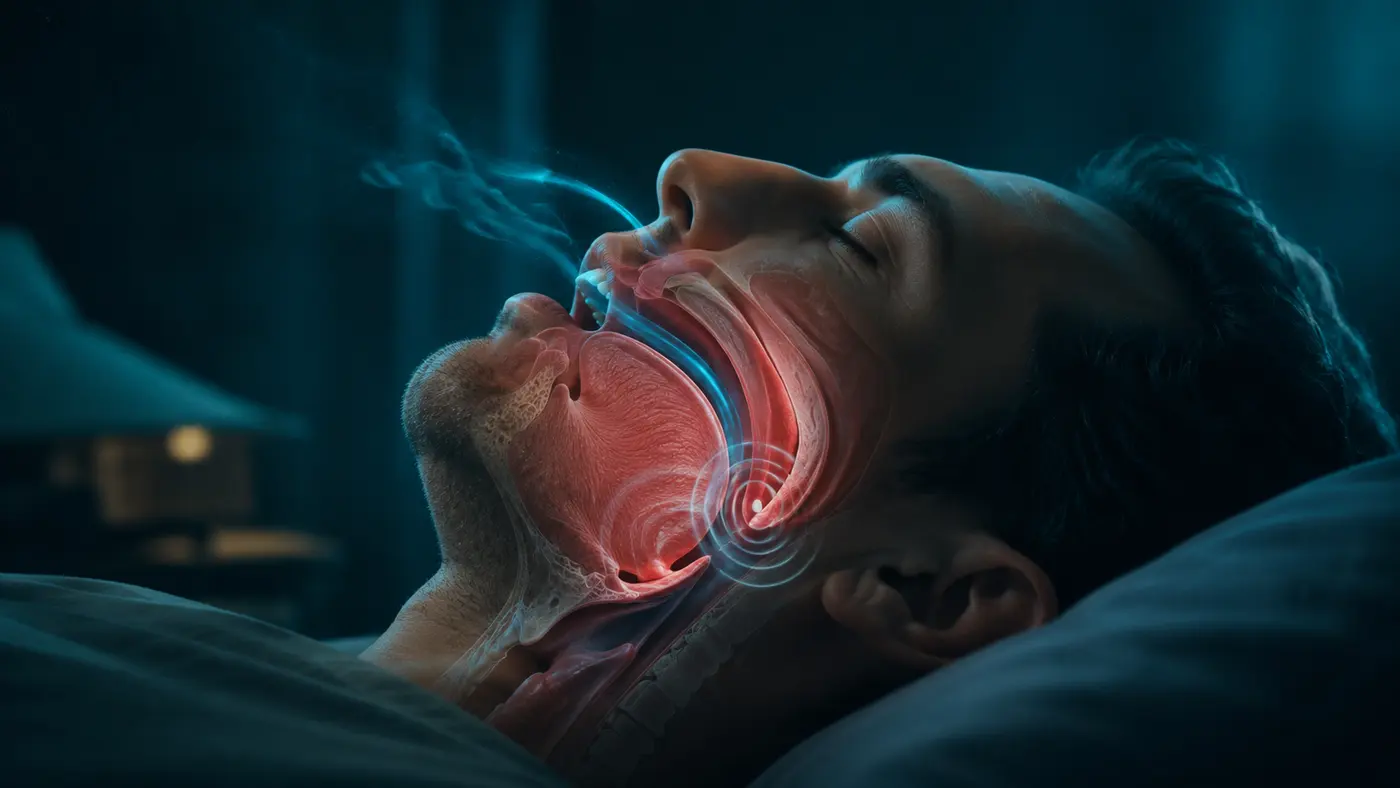
নাক ডাকা (Snoring) হলো ঘুমের সময় শ্বাস নেওয়ার পথে বাতাস চলাচলের কারণে নাক বা গলার নরম টিস্যুতে কম্পন তৈরি হয়ে শব্দ হওয়ার একটি সাধারণ সমস্যা।
মাঝে মাঝে নাক ডাকা সবসময় কোনো রোগের লক্ষণ নয়। তবে নিয়মিত বা খুব জোরে নাক ডাকা, ঘুমের মধ্যে শ্বাস বন্ধ হয়ে যাওয়া বা হাঁসফাঁস করার মতো লক্ষণ থাকলে Obstructive Sleep Apnea (OSA)-এর মতো ঘুম-সম্পর্কিত শ্বাসের সমস্যা আছে কি না তা মূল্যায়ন করা গুরুত্বপূর্ণ।
সাধারণ লক্ষণ
নাক ডাকার সঙ্গে দেখা দিতে পারে—
ঘুমের মধ্যে জোরে বা নিয়মিত নাক ডাকা
ঘুমের মধ্যে শ্বাস বন্ধ হয়ে যাওয়ার ঘটনা
হঠাৎ দম বন্ধ হয়ে আসা, হাঁসফাঁস বা গ্যাস্পিং
বারবার ঘুম ভেঙে যাওয়া
সকালে ঘুম থেকে উঠে মুখ শুকিয়ে থাকা
সকালে মাথাব্যথা
দিনে অতিরিক্ত ঘুম ঘুম ভাব
দিনের বেলায় ক্লান্তি ও দুর্বলতা
মনোযোগ বা স্মৃতিতে সমস্যা
মেজাজের পরিবর্তন বা বিরক্তি
অনেক সময় রোগী নিজে নাক ডাকার বিষয়টি বুঝতে পারেন না; পাশে ঘুমানো ব্যক্তি বিষয়টি লক্ষ্য করেন।
কী কী কারণে নাক ডাকা বাড়তে পারে?
নাক ডাকার বিভিন্ন কারণ ও Risk Factors থাকতে পারে। যেমন—
ঘুমের সময় গলার পেশি অতিরিক্ত শিথিল হওয়া
নাক বন্ধ থাকা বা Nasal Congestion
নাকের গঠনগত সমস্যা বা Nasal Septum-এর বক্রতা
গলা বা Upper Airway-এর গঠনগত বৈশিষ্ট্য
অতিরিক্ত ওজন
চিৎ হয়ে ঘুমানো
ধূমপান
অ্যালকোহল গ্রহণ
কিছু Sedative বা ঘুমের ওষুধ
Enlarged Tonsils বা অন্যান্য Upper Airway সমস্যা
কখন ডাক্তার দেখানো উচিত?
নিয়মিত বা খুব জোরে নাক ডাকলে, বিশেষ করে নিচের কোনো সমস্যা থাকলে চিকিৎসকের পরামর্শ নেওয়া উচিত—
ঘুমের মধ্যে শ্বাস বন্ধ হয়ে যাওয়ার ঘটনা
হাঁসফাঁস বা দম বন্ধ হয়ে জেগে ওঠা
দিনে অতিরিক্ত ঘুম ঘুম ভাব
সকালে বারবার মাথাব্যথা
দীর্ঘদিনের ক্লান্তি
মনোযোগ কমে যাওয়া
ঘুমের পরও সতেজ না লাগা
উচ্চ রক্তচাপ বা অন্যান্য স্বাস্থ্যসমস্যার সঙ্গে জোরে নাক ডাকা
কীভাবে Diagnosis করা হয়?
প্রথমে নাক ডাকার ধরন, ঘুমের অভ্যাস, দিনের উপসর্গ এবং অন্যান্য Risk Factors সম্পর্কে বিস্তারিত জানা হয়।
প্রয়োজনে করা হতে পারে—
Medical History ও শারীরিক পরীক্ষা
নাক, গলা ও Upper Airway পরীক্ষা
Oxygen Saturation মূল্যায়ন
প্রয়োজন অনুযায়ী Sleep Study
Polysomnography বা Overnight Sleep Study
নির্বাচিত ক্ষেত্রে Home Sleep Apnea Test
* প্রয়োজন অনুযায়ী নাক বা Upper Airway-এর Imaging/অন্যান্য পরীক্ষা
সব নাক ডাকা রোগীর Sleep Study প্রয়োজন হয় না; উপসর্গ ও Clinical Assessment অনুযায়ী সিদ্ধান্ত নেওয়া হয়।
চিকিৎসা সম্পর্কে সাধারণ তথ্য
চিকিৎসা নাক ডাকার কারণ এবং Sleep Apnea আছে কি না তার ওপর নির্ভর করে।
প্রয়োজন অনুযায়ী ব্যবস্থাপনায় থাকতে পারে—
অতিরিক্ত ওজন থাকলে স্বাস্থ্যকরভাবে ওজন কমানোর পরিকল্পনা
চিৎ হয়ে ঘুমানোর অভ্যাস পরিবর্তন
নাকের Congestion বা Nasal Obstruction-এর চিকিৎসা
ধূমপান ও অন্যান্য Airway Irritants এড়িয়ে চলা
অ্যালকোহল বা ঘুমের আগে Sedative ব্যবহারের বিষয়ে চিকিৎসকের পরামর্শ
Sleep Apnea থাকলে CPAP/PAP Therapy
নির্বাচিত রোগীর ক্ষেত্রে Oral Appliance
নির্দিষ্ট গঠনগত সমস্যায় ENT বা অন্যান্য Specialist-এর মূল্যায়ন
* প্রয়োজন অনুযায়ী নিয়মিত Follow-up
নিজে থেকে ঘুমের ওষুধ বা অন্য কোনো চিকিৎসা শুরু করা উচিত নয়।
কখন জরুরি চিকিৎসা প্রয়োজন?
সাধারণ নাক ডাকা সাধারণত জরুরি অবস্থা নয়। তবে ঘুমের সমস্যা ছাড়াও যদি দেখা যায়—
তীব্র শ্বাসকষ্ট
ঠোঁট বা মুখ নীলচে হয়ে যাওয়া
অজ্ঞান হয়ে যাওয়া
জেগে থাকা অবস্থায় গুরুতর শ্বাসকষ্ট
বুকের তীব্র ব্যথা
দ্রুত শারীরিক অবস্থার অবনতি
তাহলে দ্রুত জরুরি চিকিৎসা নেওয়া প্রয়োজন।
Frequently Asked Questions
নাক ডাকা কি সবসময় Sleep Apnea-এর লক্ষণ?
না। অনেক মানুষ Sleep Apnea ছাড়াও নাক ডাকেন। তবে নিয়মিত জোরে নাক ডাকার সঙ্গে শ্বাস বন্ধ হওয়া, গ্যাস্পিং বা দিনের অতিরিক্ত ঘুম ঘুম ভাব থাকলে Sleep Apnea-এর মূল্যায়ন প্রয়োজন হতে পারে।
পাতলা মানুষের কি Sleep Apnea হতে পারে?
হ্যাঁ। অতিরিক্ত ওজন একটি Risk Factor হলেও এটি একমাত্র কারণ নয়। Upper Airway-এর গঠন, নাকের সমস্যা এবং অন্যান্য কারণেও Sleep Apnea হতে পারে।
নাক ডাকা কি চিকিৎসা করা যায়?
হ্যাঁ। কারণ অনুযায়ী চিকিৎসা ও Lifestyle Modification-এর মাধ্যমে অনেক ক্ষেত্রে নাক ডাকা কমানো যায়। Sleep Apnea থাকলে তার নির্দিষ্ট চিকিৎসা প্রয়োজন।
নাক ডাকার জন্য কি সবসময় অপারেশন লাগে?
না। অধিকাংশ ক্ষেত্রে প্রথমে কারণ ও Risk Factors অনুযায়ী Non-surgical Management বিবেচনা করা হয়। নির্দিষ্ট গঠনগত সমস্যা থাকলে কিছু রোগীর ক্ষেত্রে Specialist Evaluation বা Procedure প্রয়োজন হতে পারে।
নাক ডাকা কি স্বাস্থ্যের ওপর প্রভাব ফেলতে পারে?
সাধারণ নাক ডাকা সবসময় গুরুতর সমস্যা বোঝায় না। তবে নাক ডাকার সঙ্গে যদি Obstructive Sleep Apnea থাকে এবং তা চিকিৎসা না করা হয়, তাহলে ঘুমের মান, দিনের কর্মক্ষমতা এবং দীর্ঘমেয়াদি স্বাস্থ্যের ওপর প্রভাব পড়তে পারে।
Related Conditions & Services
Sleep Apnea
Obstructive Sleep Apnea (OSA)
Chronic Snoring
Breathlessness
Nasal Obstruction
Asthma & Allergy
Sleep Disorders
Chronic Cough
Doctor Consultation
নাক ডাকা যদি নিয়মিত হয় বা এর সঙ্গে ঘুমের মধ্যে শ্বাস বন্ধ হয়ে যাওয়া, হাঁসফাঁস, অতিরিক্ত দিনের ঘুম বা দীর্ঘস্থায়ী ক্লান্তি থাকে, তাহলে এটিকে শুধু সাধারণ নাক ডাকা হিসেবে না দেখে মূল্যায়ন করা উচিত।
উপসর্গ, ঘুমের ইতিহাস এবং প্রয়োজনীয় পরীক্ষা—বিশেষ করে Sleep Study—এর মাধ্যমে নাক ডাকার কারণ ও Sleep Apnea-এর সম্ভাবনা মূল্যায়ন করে উপযুক্ত চিকিৎসার পরিকল্পনা করা হয়।
Snoring
Snoring is a common condition in which vibration of the soft tissues in the nose or throat during sleep produces a noisy breathing sound.
Occasional snoring does not necessarily indicate a medical problem. However, loud or frequent snoring, particularly when accompanied by pauses in breathing, gasping or choking during sleep, may indicate a sleep-related breathing disorder such as Obstructive Sleep Apnea (OSA) and should be evaluated when appropriate.
Common Symptoms
Snoring may be associated with—
Loud or frequent snoring during sleep
Witnessed pauses in breathing
Gasping or choking during sleep
Frequent nighttime awakenings
Dry mouth in the morning
Morning headaches
Excessive daytime sleepiness
Daytime fatigue or low energy
Difficulty with concentration or memory
Irritability or mood changes
Many people are unaware that they snore, and the problem may first be noticed by a sleeping partner or family member.
What Can Increase Snoring?
Several factors can contribute to or worsen snoring, including—
Excessive relaxation of the throat muscles during sleep
Nasal Congestion
Structural problems involving the nose or Nasal Septum
Upper Airway anatomical features
Excess body weight
Sleeping on the back
Smoking
Alcohol consumption
Certain Sedative or sleep medicines
Enlarged Tonsils or other Upper Airway problems
When Should You See a Doctor?
Medical evaluation is recommended when snoring is frequent or very loud, particularly if you also experience—
Pauses in breathing during sleep
Gasping or choking that wakes you up
Excessive daytime sleepiness
Recurrent morning headaches
Persistent fatigue
Poor concentration
Feeling unrefreshed after sleep
High blood pressure or other health problems together with loud snoring
How Is It Diagnosed?
Evaluation usually begins with a detailed assessment of the snoring pattern, sleep habits, daytime symptoms and relevant Risk Factors.
Depending on the situation, evaluation may include—
Medical History and physical examination
Examination of the nose, throat and Upper Airway
Oxygen Saturation assessment
Sleep Study when indicated
Polysomnography or Overnight Sleep Study
Home Sleep Apnea Testing in selected patients
* Imaging or other evaluation of the nose and Upper Airway when appropriate
Not everyone who snores requires a Sleep Study. The need for testing depends on the symptoms and clinical assessment.
General Information About Treatment
Treatment depends on the cause of snoring and whether Sleep Apnea is present.
Management may include—
Healthy weight management when appropriate
Changing the habit of sleeping on the back
Treatment of Nasal Congestion or Nasal Obstruction
Avoiding smoking and other Airway Irritants
Medical advice regarding alcohol or Sedative use, particularly before sleep
CPAP/PAP Therapy when Sleep Apnea is diagnosed
Oral Appliances for selected patients
ENT or other Specialist evaluation for specific structural problems
* Regular Follow-up when required
Sleep medicines or other treatments should not be started without medical advice.
When Is Urgent Medical Care Needed?
Simple snoring is generally not an emergency. However, seek urgent medical attention if you experience—
Severe breathing difficulty
Blue lips or face
Fainting
Severe breathlessness while awake
Severe chest pain
Rapid deterioration of your condition
Frequently Asked Questions
Does snoring always mean Sleep Apnea?
No. Many people snore without having Sleep Apnea. However, loud habitual snoring accompanied by pauses in breathing, gasping or excessive daytime sleepiness may warrant evaluation for Sleep Apnea.
Can a thin person have Sleep Apnea?
Yes. Excess body weight is a Risk Factor, but it is not the only one. Upper Airway anatomy, nasal problems and other factors can also contribute to Sleep Apnea.
Can snoring be treated?
Yes. Depending on the cause, Lifestyle Modification and appropriate treatment can reduce snoring. If Sleep Apnea is present, specific treatment is required.
Does snoring always require surgery?
No. Non-surgical management is usually considered first, depending on the cause and Risk Factors. Specialist evaluation or a procedure may be appropriate for selected patients with specific structural problems.
Can snoring affect health?
Simple snoring does not necessarily indicate a serious health problem. However, when snoring is associated with untreated Obstructive Sleep Apnea, it may affect sleep quality, daytime functioning and long-term health.
Related Conditions & Services
Sleep Apnea
Obstructive Sleep Apnea (OSA)
Chronic Snoring
Breathlessness
Nasal Obstruction
Asthma & Allergy
Sleep Disorders
Chronic Cough
Doctor Consultation
Frequent or loud snoring, particularly when associated with witnessed pauses in breathing, gasping, excessive daytime sleepiness or persistent fatigue, should be evaluated rather than assumed to be simple snoring.
A combination of sleep history, clinical assessment and appropriate testing—particularly a Sleep Study when indicated—can help identify the cause of snoring and assess the possibility of Sleep Apnea, guiding an appropriate treatment plan.