শ্বাসকষ্টBreathlessness
বিশ্রামে বা পরিশ্রমে দম নিতে কষ্ট হওয়াDifficulty drawing breath at rest or on exertion
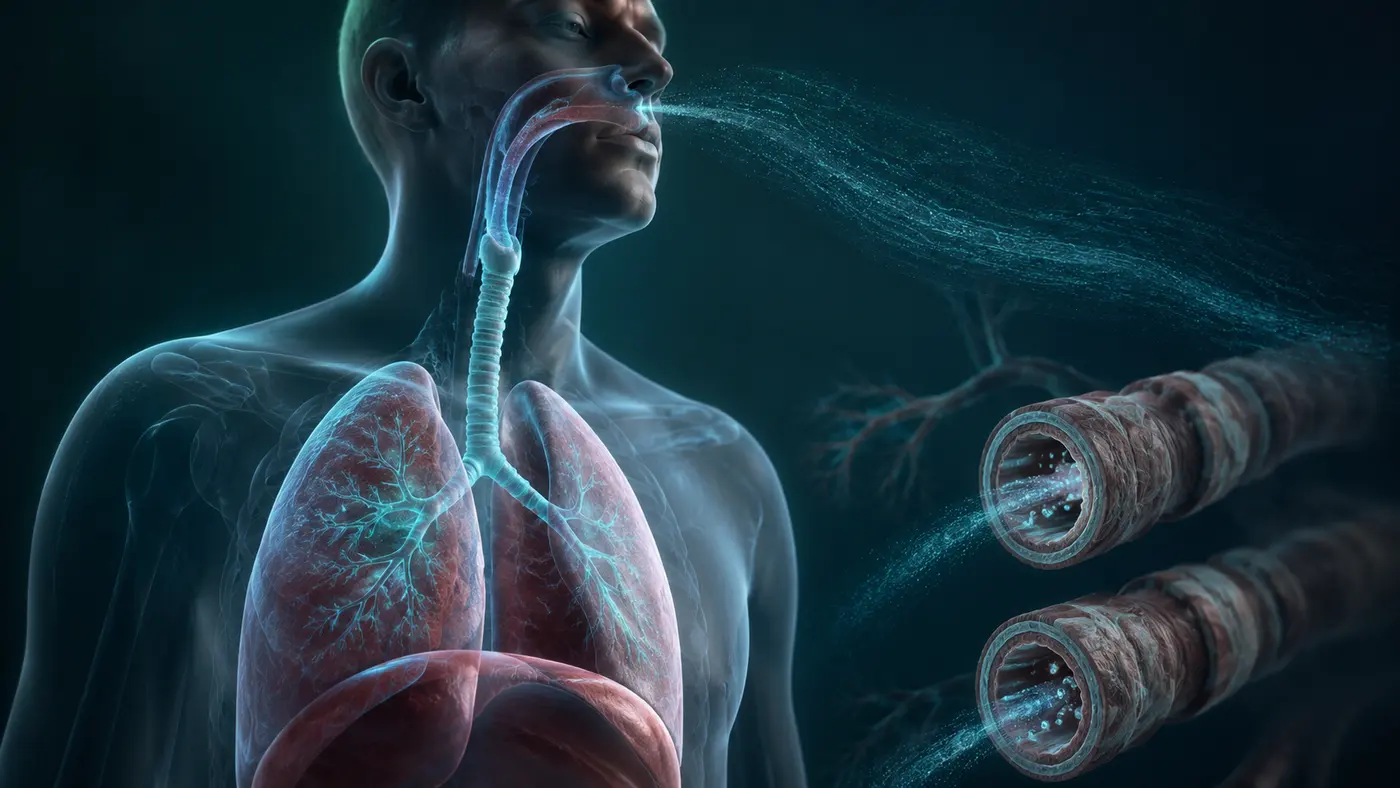
দীর্ঘস্থায়ী কাশি / শ্বাসকষ্ট
কাশি বা শ্বাসকষ্ট অনেক সাধারণ সমস্যা। সর্দি-কাশি বা সাময়িক কোনো সংক্রমণের কারণে কিছুদিন কাশি থাকতে পারে। কিন্তু কাশি যদি দীর্ঘদিন ধরে থাকে, বারবার ফিরে আসে, অথবা স্বাভাবিক হাঁটা-চলা ও দৈনন্দিন কাজকর্মে শ্বাসকষ্ট হয়, তাহলে বিষয়টি গুরুত্ব দিয়ে দেখা প্রয়োজন।
দীর্ঘস্থায়ী কাশি বা শ্বাসকষ্ট নিজে কোনো নির্দিষ্ট রোগের নাম নয়। এর পেছনে এজমা, COPD, দীর্ঘস্থায়ী শ্বাসতন্ত্রের সংক্রমণ, নাকের সমস্যা, acid reflux, ধূমপানজনিত সমস্যা কিংবা অন্যান্য ফুসফুস ও হৃদ্যন্ত্রের কারণ থাকতে পারে।
তাই শুধু কাশি বা শ্বাসকষ্টের ওষুধ না খেয়ে, সমস্যার মূল কারণটি খুঁজে বের করা গুরুত্বপূর্ণ।
সাধারণ লক্ষণ
কাশি ও শ্বাসকষ্টের ধরন রোগের কারণ সম্পর্কে গুরুত্বপূর্ণ তথ্য দিতে পারে।
সাধারণভাবে দেখা যেতে পারে—
কয়েক সপ্তাহ বা তার বেশি সময় ধরে কাশি থাকা
বারবার কাশি ফিরে আসা
শুকনো বা কফসহ কাশি
হাঁটা বা সিঁড়ি ওঠার সময় শ্বাসকষ্ট
সামান্য পরিশ্রমেই হাঁপিয়ে যাওয়া
শ্বাস নেওয়ার সময় সাঁ সাঁ শব্দ হওয়া
বুকে চাপ বা ভারী লাগা
রাতে বা ভোরে কাশি বেড়ে যাওয়া
শুয়ে থাকলে শ্বাসকষ্ট বাড়া
কফ বারবার জমা হওয়া
* ধুলাবালি, ধোঁয়া বা ঠান্ডা বাতাসে সমস্যা বেড়ে যাওয়া
কখন কাশি বা শ্বাসকষ্ট বাড়ে, কী করলে কমে এবং কতদিন ধরে হচ্ছে—এই তথ্যগুলো চিকিৎসকের জন্য খুব গুরুত্বপূর্ণ।
কী কী কারণে দীর্ঘস্থায়ী কাশি বা শ্বাসকষ্ট হতে পারে?
একজনের দীর্ঘদিনের কাশির কারণ আরেকজনের মতো নাও হতে পারে। তাই সবার জন্য একই চিকিৎসা দেওয়া ঠিক নয়।
সম্ভাব্য কারণের মধ্যে রয়েছে—
Asthma
COPD
দীর্ঘস্থায়ী বা বারবার হওয়া শ্বাসতন্ত্রের সংক্রমণ
Allergic Rhinitis বা নাকের allergy
Post-nasal drip
Acid reflux বা GERD
ধূমপান বা দীর্ঘদিনের ধোঁয়ার সংস্পর্শ
Bronchitis
Bronchiectasis
Interstitial Lung Disease
Tuberculosisসহ কিছু সংক্রমণ
কিছু ওষুধের পার্শ্বপ্রতিক্রিয়া
* কিছু ক্ষেত্রে হৃদ্যন্ত্রের সমস্যা বা অন্যান্য শারীরিক কারণ
বিশেষ করে ধূমপানের ইতিহাস, ওজনের পরিবর্তন, জ্বর, রাতের ঘাম, কফের ধরন এবং শ্বাসকষ্ট কখন বাড়ে—এসব তথ্য diagnosis-এর ক্ষেত্রে গুরুত্বপূর্ণ হতে পারে।
কখন ডাক্তার দেখানো উচিত?
কাশি বা শ্বাসকষ্ট যদি কয়েকদিনের মধ্যে না কমে, বারবার ফিরে আসে বা ধীরে ধীরে বাড়তে থাকে, তাহলে চিকিৎসকের পরামর্শ নেওয়া উচিত।
বিশেষ করে যদি—
কাশি দীর্ঘদিন ধরে থাকে
বারবার কাশি ফিরে আসে
হাঁটা বা সিঁড়ি ওঠার সময় শ্বাসকষ্ট হয়
আগের তুলনায় কম পরিশ্রমেই হাঁপিয়ে যান
রাতে কাশি বা শ্বাসকষ্টে ঘুম ভেঙে যায়
বারবার বুকে সাঁ সাঁ শব্দ হয়
কফ দীর্ঘদিন ধরে থাকে
ধূমপানের ইতিহাস থাকে
বারবার chest infection হয়
অকারণে ওজন কমে যায়
* জ্বর বা রাতের ঘাম দীর্ঘদিন থাকে
তাহলে শুধু cough syrup বা সাময়িক ওষুধের ওপর নির্ভর না করে কারণটি মূল্যায়ন করা দরকার।
কীভাবে Diagnosis করা হয়?
চেম্বারে প্রথমেই জানতে হবে—কাশি বা শ্বাসকষ্ট কতদিন ধরে হচ্ছে, কখন বেশি হয়, রাতে বা ভোরে বাড়ে কি না, ধুলা বা ঠান্ডায় বাড়ে কি না, হাঁটলে কতটা হয়, কফ আছে কি না এবং ধূমপানের কোনো history আছে কি না।
আগের কোনো চিকিৎসা, chest infection, asthma, allergy বা অন্য কোনো রোগের history থাকলেও সেটি গুরুত্বপূর্ণ।
এরপর প্রয়োজন অনুযায়ী শারীরিক পরীক্ষা করা হয়।
রোগীর উপসর্গ ও clinical findings অনুযায়ী বিভিন্ন পরীক্ষা প্রয়োজন হতে পারে, যেমন—
Chest X-ray
Spirometry বা Lung Function Test
Oxygen saturation assessment
Blood tests
Sputum examination
CT scan of the chest
* Allergy-related tests
সব রোগীর সব পরীক্ষা লাগে না। আপনার উপসর্গ ও চিকিৎসকের clinical assessment অনুযায়ী প্রয়োজনীয় পরীক্ষাই নির্বাচন করা হয়।
চিকিৎসা সম্পর্কে সাধারণ তথ্য
দীর্ঘস্থায়ী কাশি বা শ্বাসকষ্টের চিকিৎসা মূলত এর কারণের ওপর নির্ভর করে।
যেমন asthma থাকলে asthma-এর জন্য উপযুক্ত treatment প্রয়োজন, COPD থাকলে তার management আলাদা, আবার infection বা acid reflux থাকলে চিকিৎসার পদ্ধতিও ভিন্ন।
চিকিৎসার মধ্যে প্রয়োজন অনুযায়ী থাকতে পারে—
Inhaled medication
Allergy control
Infection-এর উপযুক্ত চিকিৎসা
Smoking cessation support
Acid reflux-এর management
Breathing বা airway-related treatment
প্রয়োজন অনুযায়ী oxygen বা অন্যান্য supportive care
নিয়মিত follow-up
তাই শুধু “কাশির ওষুধ” বা “শ্বাসকষ্টের inhaler” নিজে থেকে শুরু না করে, প্রথমে কারণটি বোঝা গুরুত্বপূর্ণ।
কখন জরুরি চিকিৎসা প্রয়োজন?
সব শ্বাসকষ্ট একই রকম নয়। কিছু ক্ষেত্রে দ্রুত জরুরি চিকিৎসার প্রয়োজন হতে পারে।
যদি—
হঠাৎ বা খুব বেশি শ্বাসকষ্ট শুরু হয়
শ্বাস নিতে প্রচণ্ড কষ্ট হয়
কথা বলতে কষ্ট হয়
ঠোঁট বা মুখ নীলচে হয়ে আসে
বুকে তীব্র ব্যথা হয়
অজ্ঞান হয়ে যাওয়া বা খুব বেশি দুর্বলতা দেখা দেয়
কাশির সঙ্গে উল্লেখযোগ্য পরিমাণ রক্ত আসে
দ্রুত অবস্থার অবনতি হয়
তাহলে অপেক্ষা না করে দ্রুত নিকটস্থ জরুরি বিভাগে যেতে হবে।
Frequently Asked Questions
কতদিন কাশি থাকলে সেটিকে দীর্ঘস্থায়ী কাশি বলা হয়?
প্রাপ্তবয়স্কদের ক্ষেত্রে সাধারণভাবে ৮ সপ্তাহ বা তার বেশি সময়ের কাশিকে chronic cough বলা হয়। তবে এর আগেই যদি কাশি বারবার হয়, বাড়তে থাকে বা অন্য কোনো concerning symptom থাকে, তাহলে চিকিৎসকের পরামর্শ নেওয়া উচিত।
দীর্ঘদিন কাশি থাকলেই কি ফুসফুসে বড় কোনো সমস্যা আছে?
না। দীর্ঘস্থায়ী কাশির অনেক কারণ থাকতে পারে এবং সবগুলো গুরুতর নয়। তবে কারণটি নির্ণয় করা গুরুত্বপূর্ণ, কারণ asthma, reflux, smoking-related disease বা অন্য respiratory condition—বিভিন্ন কারণেই দীর্ঘদিন কাশি হতে পারে।
শ্বাসকষ্ট হলেই কি asthma?
না। asthma ছাড়াও COPD, infection, lung disease, heart-related problems, anemia এবং আরও কিছু কারণে শ্বাসকষ্ট হতে পারে।
তাই বারবার শ্বাসকষ্ট হলে সঠিক evaluation প্রয়োজন।
কাশি থাকলে Chest X-ray করলেই কি কারণ জানা যায়?
সবসময় নয়। Chest X-ray অনেক গুরুত্বপূর্ণ তথ্য দিতে পারে, কিন্তু সব ধরনের chronic cough-এর কারণ এতে ধরা পড়ে না। প্রয়োজন অনুযায়ী spirometry, blood test, CT scan বা অন্যান্য পরীক্ষা লাগতে পারে।
ধূমপান করলে দীর্ঘদিনের কাশি কি স্বাভাবিক?
ধূমপানের কারণে দীর্ঘদিন কাশি হতে পারে, কিন্তু এটিকে স্বাভাবিক ধরে নেওয়া ঠিক নয়। দীর্ঘদিনের কাশি ও শ্বাসকষ্ট থাকলে ধূমপানের history-সহ পুরো বিষয়টি মূল্যায়ন করা উচিত।
কফসহ কাশি হলে কি সবসময় infection থাকে?
না। infection ছাড়াও asthma, COPD, bronchiectasis এবং অন্যান্য respiratory condition-এর কারণে কফ হতে পারে।
Related Conditions & Services
দীর্ঘস্থায়ী কাশি ও শ্বাসকষ্টের সঙ্গে সম্পর্কিত কিছু condition হলো—
Asthma & Allergy
COPD
Bronchitis
Bronchiectasis
Tuberculosis
Interstitial Lung Disease
Respiratory Tract Infection
Smoking-related Lung Disease
* Sleep-related Breathing Disorders
একই উপসর্গের পেছনে একাধিক কারণ থাকতে পারে। তাই দীর্ঘদিনের কাশি বা শ্বাসকষ্টের ক্ষেত্রে সঠিক diagnosis-ই চিকিৎসার প্রথম ধাপ।
Doctor Consultation
দীর্ঘদিন ধরে কাশি, বারবার শ্বাসকষ্ট, হাঁটলে হাঁপিয়ে যাওয়া বা বুকে সাঁ সাঁ শব্দ হলে সমস্যাটিকে অবহেলা না করে চিকিৎসকের পরামর্শ নিন।
আপনার উপসর্গ, medical history, physical examination এবং প্রয়োজনীয় পরীক্ষা-নিরীক্ষার মাধ্যমে সমস্যার সম্ভাব্য কারণ নির্ণয় করে উপযুক্ত treatment plan তৈরি করা যেতে পারে।
ডাঃ নওরোজ আহমেদ রায়হান
বক্ষব্যাধি, এলার্জি, মেডিসিন ও স্লিপ ডিসঅর্ডার বিশেষজ্ঞ
ইন্টারভেনশনাল পালমোনোলজিস্ট
চেম্বার ও অ্যাপয়েন্টমেন্টের বিস্তারিত জানতে Appointment/Chamber অপশনে যোগাযোগ করুন।
Chronic Cough / Breathing Difficulty
Cough and breathing difficulty are very common problems. A cough may continue for a short time after a cold or respiratory infection. But when a cough persists for a long time, keeps coming back, or breathing difficulty starts affecting your normal walking and daily activities, it deserves proper evaluation.
Chronic cough or breathing difficulty is not a diagnosis by itself. It can be caused by asthma, COPD, chronic respiratory infections, nasal problems, acid reflux, smoking-related conditions, or other lung and heart-related problems.
That is why simply taking cough or breathing medication without finding the underlying cause may not be enough.
Common Symptoms
The pattern of your cough or breathing difficulty can provide important clues about the underlying cause.
Common symptoms include—
Cough lasting for several weeks or longer
Recurrent cough
Dry cough or cough with phlegm
Shortness of breath while walking or climbing stairs
Becoming breathless with less physical activity than before
Wheezing
Chest tightness or heaviness
Cough that becomes worse at night or early in the morning
Breathing difficulty when lying down
Recurrent phlegm production
* Symptoms that worsen with dust, smoke, or cold air
It is important to tell your doctor when the symptoms become worse, what makes them better, and how long they have been present.
What Can Cause Chronic Cough or Breathing Difficulty?
The cause of long-term cough or breathing difficulty is not the same for everyone. That is why the same treatment is not appropriate for every patient.
Possible causes include—
Asthma
COPD
Persistent or recurrent respiratory infections
Allergic Rhinitis
Post-nasal drip
Acid reflux or GERD
Smoking or long-term exposure to smoke
Bronchitis
Bronchiectasis
Interstitial Lung Disease
Tuberculosis and certain other infections
Side effects of certain medications
* Heart-related or other medical conditions in some patients
Your smoking history, weight changes, fever, night sweats, type of phlegm, and when the breathing difficulty becomes worse can all provide useful information during evaluation.
When Should You See a Doctor?
If a cough does not improve, keeps coming back, or gradually becomes worse, you should consider seeing a doctor.
A medical evaluation is particularly important if you have—
A cough that persists for a long time
Recurrent episodes of coughing
Shortness of breath while walking or climbing stairs
Increasing breathlessness with physical activity
Cough or breathing difficulty that wakes you at night
Recurrent wheezing
Long-term phlegm production
A history of smoking
Repeated chest infections
Unexplained weight loss
* Persistent fever or night sweats
Instead of repeatedly relying on cough syrups or temporary medications, it is important to identify the underlying cause.
How Is the Cause Diagnosed?
During a consultation, your doctor may ask how long you have had the cough or breathing difficulty, when it becomes worse, whether it is worse at night or early in the morning, whether dust or cold air triggers it, how much activity causes breathlessness, whether you produce phlegm, and whether you have a history of smoking.
Previous respiratory infections, asthma, allergy, medications, and other medical conditions may also be relevant.
A physical examination is then performed when appropriate.
Depending on your symptoms and clinical findings, investigations may include—
Chest X-ray
Spirometry or Lung Function Test
Oxygen saturation assessment
Blood tests
Sputum examination
CT scan of the chest
* Allergy-related tests
Not every patient needs all of these tests. The appropriate investigations are selected according to your symptoms and clinical assessment.
General Information About Treatment
Treatment for chronic cough or breathing difficulty depends primarily on the underlying cause.
For example, asthma requires appropriate asthma management, COPD requires a different approach, while infections and acid reflux require their own specific treatment.
Depending on the cause, treatment may include—
Inhaled medication
Allergy management
Appropriate treatment for infection
Smoking cessation support
Management of acid reflux
Airway or breathing-related treatment
Oxygen or other supportive care when appropriate
Regular follow-up
This is why it is better not to start a cough medicine or inhaler on your own without first understanding what is causing the symptoms.
When Is Emergency Treatment Needed?
Not all breathing difficulties are the same. Some situations require immediate medical attention.
Seek emergency care if—
Severe or sudden breathing difficulty develops
You are struggling significantly to breathe
You have difficulty speaking because of breathlessness
Your lips or face become bluish
You develop severe chest pain
You faint or become extremely weak
You cough up a significant amount of blood
Your condition is rapidly getting worse
In these situations, do not wait at home. Go to the nearest emergency department.
Frequently Asked Questions
How long does a cough have to last to be considered chronic?
In adults, a cough lasting 8 weeks or longer is generally considered a chronic cough. However, you should seek medical advice earlier if the cough keeps returning, becomes worse, or is accompanied by concerning symptoms.
Does a long-term cough always mean that there is a serious lung problem?
No. Chronic cough can have many causes, and not all of them are serious. However, identifying the cause is important because asthma, reflux, smoking-related conditions, and other respiratory problems can all cause persistent cough.
Does breathing difficulty always mean asthma?
No. Breathing difficulty can occur because of asthma, COPD, respiratory infections, lung disease, heart-related conditions, anemia, and several other causes.
Repeated breathing difficulty therefore requires proper evaluation.
Is a Chest X-ray enough to find the cause of chronic cough?
Not always. A Chest X-ray can provide important information, but it cannot identify every cause of chronic cough. Depending on the situation, spirometry, blood tests, CT scans, or other investigations may be required.
Is a long-term cough normal if I smoke?
Smoking can cause persistent cough, but it should not simply be considered normal. If you have a long-term cough or breathing difficulty, your smoking history should be considered as part of a proper medical evaluation.
Does coughing up phlegm always mean that I have an infection?
No. Phlegm can occur with infections, but it can also be associated with asthma, COPD, bronchiectasis, and other respiratory conditions.
Related Conditions & Services
Conditions related to chronic cough and breathing difficulty may include—
Asthma & Allergy
COPD
Bronchitis
Bronchiectasis
Tuberculosis
Interstitial Lung Disease
Respiratory Tract Infection
Smoking-related Lung Disease
* Sleep-related Breathing Disorders
Similar symptoms can have different underlying causes. For long-term cough or breathing difficulty, identifying the correct diagnosis is an important first step toward appropriate treatment.
Doctor Consultation
If you have a persistent cough, recurrent breathing difficulty, breathlessness while walking, or wheezing, do not ignore the symptoms.
Your symptoms, medical history, physical examination, and appropriate investigations can help identify the possible cause and guide a suitable treatment plan.
Dr. Nowroj Ahmed Raihan
Specialist in Chest Diseases, Allergy, Medicine & Sleep Disorders
Interventional Pulmonologist
For chamber and appointment details, please use the Appointment/Chamber option.