ধূমপানজনিত ক্ষতিSmoking Related Damage
ধূমপানজনিত কাশি, শ্বাসকষ্ট ও ধূমপান পরিহার কাউন্সেলিংSmokers cough, breathlessness and structured cessation counselling
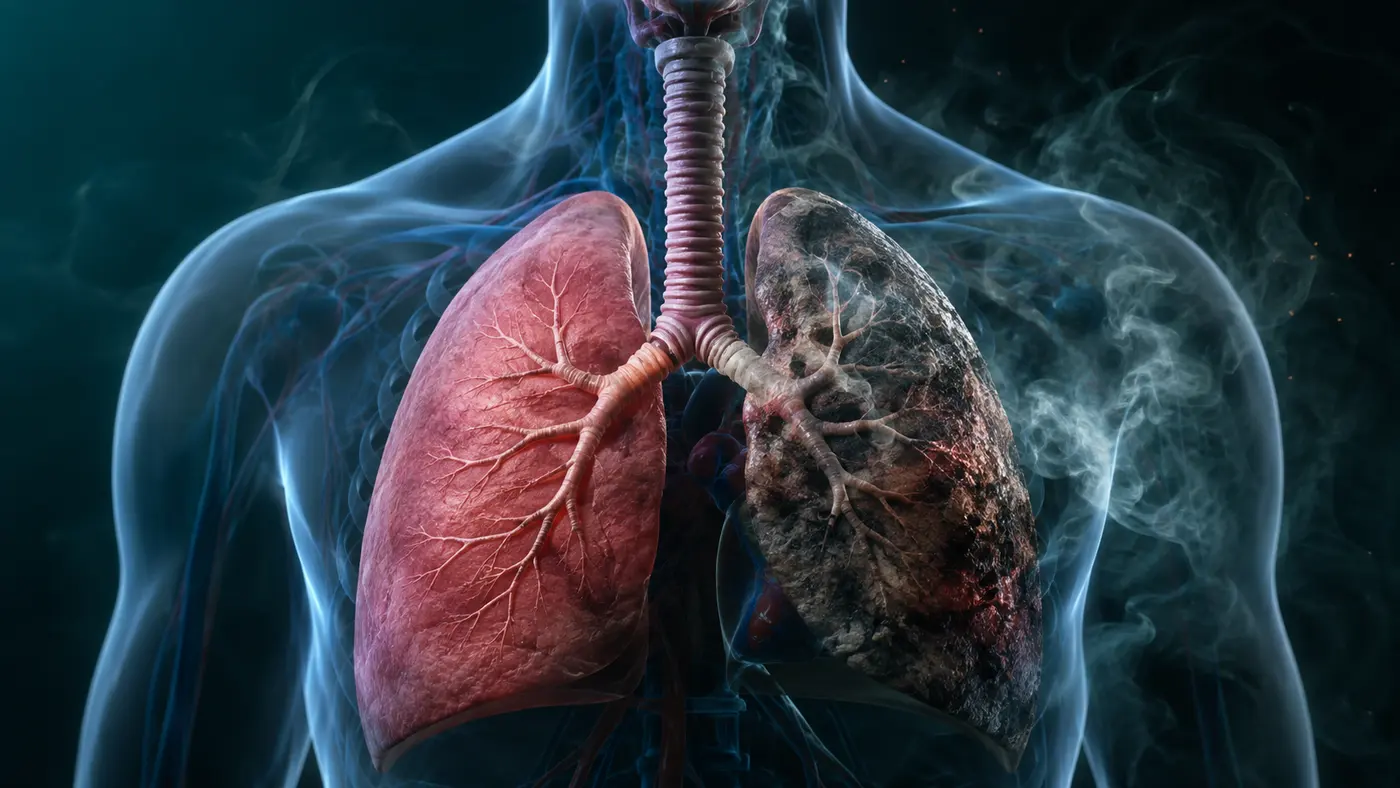
ধূমপানজনিত ক্ষতি
ধূমপান শরীরের প্রায় প্রতিটি অঙ্গের ওপর ক্ষতিকর প্রভাব ফেলতে পারে। বিশেষ করে ফুসফুস ও শ্বাসনালীর দীর্ঘমেয়াদি ক্ষতির কারণে কাশি, কফ, শ্বাসকষ্ট, Wheezing এবং বারবার Respiratory Infection হতে পারে।
দীর্ঘদিন ধূমপান করলে শ্বাসনালীর প্রদাহ ও ক্ষতি বাড়তে পারে এবং Chronic Bronchitis, COPD, Emphysema ও ফুসফুসের ক্যান্সারের ঝুঁকি বৃদ্ধি পেতে পারে। ধূমপানের ক্ষতি শুধু দীর্ঘদিন পরে নয়—অল্প বয়স থেকেই শরীরে বিভিন্ন পরিবর্তন শুরু হতে পারে।
ধূমপানের কারণে কী ধরনের সমস্যা হতে পারে?
ধূমপানের সঙ্গে বিভিন্ন শ্বাসতন্ত্র ও অন্যান্য স্বাস্থ্য সমস্যার সম্পর্ক রয়েছে। যেমন—
দীর্ঘস্থায়ী কাশি ও কফ
শ্বাসকষ্ট
Wheezing বা শ্বাসের সময় সাঁই সাঁই শব্দ
বারবার Bronchitis বা Lung Infection
Chronic Bronchitis
COPD
Emphysema
ফুসফুসের কার্যক্ষমতা ধীরে ধীরে কমে যাওয়া
ফুসফুসের ক্যান্সারের ঝুঁকি বৃদ্ধি
হৃদ্যন্ত্র ও রক্তনালীর রোগের ঝুঁকি বৃদ্ধি
Stroke-এর ঝুঁকি বৃদ্ধি
শরীরের বিভিন্ন অঙ্গের অন্যান্য দীর্ঘমেয়াদি রোগের ঝুঁকি বৃদ্ধি
সাধারণ লক্ষণ
ধূমপানজনিত শ্বাসতন্ত্রের ক্ষতির ক্ষেত্রে শুরুতে লক্ষণ খুব বেশি নাও থাকতে পারে। সময়ের সঙ্গে দেখা দিতে পারে—
সকালে বা প্রায় প্রতিদিন কাশি
নিয়মিত কফ ওঠা
অল্প হাঁটা বা সিঁড়ি ওঠার সময় শ্বাসকষ্ট
শ্বাসের সময় Wheezing
বুকে চাপ বা অস্বস্তি
বারবার Respiratory Infection
আগের তুলনায় ব্যায়াম বা শারীরিক পরিশ্রমে দ্রুত ক্লান্ত হয়ে যাওয়া
দৈনন্দিন কাজ করতে গিয়ে শ্বাস নিতে বেশি কষ্ট হওয়া
ধূমপায়ীর দীর্ঘদিনের কাশিকে শুধু “Smoker's Cough” ভেবে স্বাভাবিক ধরে নেওয়া উচিত নয়।
কীভাবে ধূমপানের ক্ষতি বাড়তে পারে?
ক্ষতির মাত্রা বিভিন্ন বিষয়ের ওপর নির্ভর করতে পারে। যেমন—
দীর্ঘদিন ধরে ধূমপান করা
প্রতিদিন বেশি পরিমাণে সিগারেট বা তামাক ব্যবহার করা
খুব অল্প বয়সে ধূমপান শুরু করা
ঘন ঘন ধোঁয়ার সংস্পর্শে থাকা
ঘরে বা কর্মস্থলে পরোক্ষ ধূমপানের (Second-hand Smoke) সংস্পর্শ
বায়ুদূষণ ও অন্যান্য শ্বাসনালীর Irritant-এর সংস্পর্শ
কখন ডাক্তার দেখানো উচিত?
ধূমপান করেন এবং দীর্ঘদিন ধরে কাশি, কফ, শ্বাসকষ্ট বা Wheezing থাকলে চিকিৎসকের পরামর্শ নেওয়া উচিত।
বিশেষভাবে মূল্যায়ন প্রয়োজন হতে পারে যদি—
কাশি ক্রমশ বাড়ে বা পরিবর্তিত হয়
কাশির সঙ্গে রক্ত আসে
অকারণে ওজন কমে যায়
বারবার Lung Infection হয়
বুকে ব্যথা বা অস্বস্তি থাকে
আগের তুলনায় শারীরিক সক্ষমতা কমে যায়
* সামান্য পরিশ্রমেই শ্বাসকষ্ট হয়
কীভাবে Diagnosis করা হয়?
ধূমপানজনিত ক্ষতি মূল্যায়নের জন্য ধূমপানের ইতিহাসের পাশাপাশি শ্বাসতন্ত্রের বর্তমান অবস্থা পরীক্ষা করা হয়।
প্রয়োজন অনুযায়ী করা হতে পারে—
বিস্তারিত Smoking History ও Medical History
শারীরিক পরীক্ষা
Oxygen Saturation পরীক্ষা
Spirometry বা Lung Function Test
Chest X-ray
প্রয়োজন অনুযায়ী CT Scan of Chest
Blood tests
Sputum পরীক্ষা
* অন্যান্য প্রয়োজনীয় Diagnostic Investigation
সব ধূমপায়ীর একই ধরনের পরীক্ষা প্রয়োজন হয় না। বয়স, ধূমপানের ইতিহাস, উপসর্গ ও পরীক্ষার ফলাফল অনুযায়ী মূল্যায়ন করা হয়।
চিকিৎসা সম্পর্কে সাধারণ তথ্য
ধূমপানজনিত ক্ষতির চিকিৎসার সবচেয়ে গুরুত্বপূর্ণ অংশ হলো ধূমপান সম্পূর্ণ বন্ধ করা। ধূমপান বন্ধ করলে শরীরের আরও ক্ষতি কমানো এবং কিছু ক্ষেত্রে ফুসফুসের কার্যক্ষমতা ও সামগ্রিক স্বাস্থ্যের উন্নতিতে সাহায্য করা যায়।
প্রয়োজন অনুযায়ী চিকিৎসায় থাকতে পারে—
Smoking Cessation-এর জন্য ব্যক্তিগত পরিকল্পনা ও পরামর্শ
Nicotine Dependence-এর চিকিৎসা
COPD বা Chronic Bronchitis থাকলে উপযুক্ত Inhaler ও অন্যান্য চিকিৎসা
Lung Function পর্যবেক্ষণ
Respiratory Infection-এর চিকিৎসা
প্রয়োজন অনুযায়ী Pulmonary Rehabilitation
* নিয়মিত Follow-up
ধূমপান কমানো উপকারী হলেও সম্পূর্ণ বন্ধ করাই সবচেয়ে গুরুত্বপূর্ণ লক্ষ্য। প্রয়োজনে চিকিৎসকের সহায়তায় ধূমপান ছাড়ার পরিকল্পনা করা যায়।
কখন জরুরি চিকিৎসা প্রয়োজন?
নিচের কোনো লক্ষণ থাকলে দ্রুত জরুরি চিকিৎসা নেওয়া প্রয়োজন—
তীব্র বা হঠাৎ বেড়ে যাওয়া শ্বাসকষ্ট
তীব্র বুকের ব্যথা
ঠোঁট বা মুখ নীলচে হয়ে যাওয়া
কাশির সঙ্গে বেশি পরিমাণে রক্ত আসা
অজ্ঞান হয়ে যাওয়া বা প্রচণ্ড মাথা ঘোরা
হঠাৎ খুব বেশি দুর্বল হয়ে যাওয়া
* দ্রুত শারীরিক অবস্থার অবনতি
Frequently Asked Questions
অনেক বছর ধূমপান করার পর এখন বন্ধ করলে কি উপকার হবে?
হ্যাঁ। যেকোনো বয়সে ধূমপান বন্ধ করা স্বাস্থ্যের জন্য উপকারী এবং ভবিষ্যতের বিভিন্ন রোগের ঝুঁকি কমাতে সাহায্য করতে পারে।
শুধু কাশি থাকলেই কি ধূমপানের কারণে ফুসফুস নষ্ট হয়ে গেছে?
না। কাশির অনেক কারণ থাকতে পারে। তবে ধূমপায়ীর দীর্ঘস্থায়ী কাশি থাকলে Chronic Bronchitis, COPD বা অন্যান্য কারণ মূল্যায়ন করা গুরুত্বপূর্ণ।
ধূমপান বন্ধ করলে কি ফুসফুস আগের মতো হয়ে যাবে?
সব ক্ষতি সম্পূর্ণভাবে ফিরে আসবে—এমন নিশ্চয়তা নেই। ক্ষতির ধরন ও মাত্রার ওপর নির্ভর করে। তবে ধূমপান বন্ধ করা আরও ক্ষতি কমাতে এবং সামগ্রিক স্বাস্থ্যের উন্নতিতে গুরুত্বপূর্ণ ভূমিকা রাখে।
ই-সিগারেট বা Vaping কি নিরাপদ?
Vaping-কে সম্পূর্ণ ঝুঁকিমুক্ত ধরা যায় না। শ্বাসতন্ত্রের জন্য ক্ষতিকর পদার্থের সংস্পর্শ ঘটতে পারে এবং Nicotine Dependence বজায় থাকতে পারে।
পরোক্ষ ধূমপান কি ক্ষতিকর?
হ্যাঁ। অন্যের সিগারেটের ধোঁয়ার সংস্পর্শও স্বাস্থ্যের জন্য ক্ষতিকর এবং বিশেষ করে শিশু ও শ্বাসতন্ত্রের রোগীদের জন্য সমস্যা তৈরি করতে পারে।
Related Conditions & Services
Chronic Bronchitis
COPD
Emphysema
Chronic Cough
Breathlessness
Lung Infection
Bronchiectasis
Asthma & Allergy
Coughing Up Blood
Lung Cancer Risk Assessment
Doctor Consultation
দীর্ঘদিনের ধূমপানের কারণে কাশি, কফ, শ্বাসকষ্ট বা শারীরিক সক্ষমতা কমে গেলে সেটিকে স্বাভাবিক ধরে না নিয়ে ফুসফুসের অবস্থা মূল্যায়ন করা গুরুত্বপূর্ণ।
Smoking History, শারীরিক পরীক্ষা এবং প্রয়োজনীয় Lung Function ও Imaging-এর মাধ্যমে ধূমপানজনিত ক্ষতির মাত্রা এবং সংশ্লিষ্ট শ্বাসতন্ত্রের সমস্যা মূল্যায়ন করে প্রয়োজনীয় চিকিৎসা ও Smoking Cessation পরিকল্পনা করা যায়।
Smoking-related Damage
Smoking can have harmful effects on almost every organ of the body. Long-term damage to the lungs and airways can lead to chronic cough, mucus production, breathlessness, Wheezing and recurrent Respiratory Infections.
Long-term smoking increases the risk of Chronic Bronchitis, COPD, Emphysema and lung cancer. The harmful effects of smoking can begin long before serious symptoms become noticeable.
What Problems Can Smoking Cause?
Smoking is associated with a range of respiratory and other health problems, including—
Chronic cough and mucus production
Breathlessness
Wheezing
Recurrent Bronchitis or Lung Infections
Chronic Bronchitis
COPD
Emphysema
Progressive reduction in lung function
Increased risk of lung cancer
Increased risk of heart and blood vessel disease
Increased risk of Stroke
Increased risk of other long-term health problems
Common Symptoms
Smoking-related respiratory damage may cause few symptoms in the early stages. Over time, symptoms may include—
Morning or daily cough
Regular mucus production
Breathlessness when walking or climbing stairs
Wheezing
Chest tightness or discomfort
Recurrent Respiratory Infections
Reduced exercise tolerance
Increasing difficulty breathing during everyday activities
A long-standing cough in a smoker should not simply be considered a normal “Smoker's Cough.”
What Can Increase Smoking-related Damage?
The extent of damage can vary depending on factors such as—
Smoking for many years
Higher daily tobacco consumption
Starting smoking at a younger age
Frequent exposure to tobacco smoke
Exposure to Second-hand Smoke at home or work
Air pollution and other airway Irritants
When Should You See a Doctor?
If you smoke and have persistent cough, mucus production, breathlessness or Wheezing, medical evaluation is advisable.
Further assessment is particularly important if—
Your cough is getting worse or changing
You cough up blood
You lose weight without an obvious reason
You develop recurrent Lung Infections
You have chest pain or discomfort
Your exercise capacity has decreased
* You become breathless with mild physical activity
How Is Smoking-related Damage Diagnosed?
Assessment includes a detailed smoking history along with evaluation of current respiratory health.
Depending on the situation, investigations may include—
Detailed Smoking History and Medical History
Physical examination
Oxygen Saturation measurement
Spirometry or Lung Function Tests
Chest X-ray
CT Scan of the Chest when appropriate
Blood tests
Sputum testing
* Other relevant Diagnostic Investigations
Not every smoker requires the same tests. Evaluation depends on age, smoking history, symptoms and clinical findings.
General Information About Treatment
The most important part of managing smoking-related damage is stopping smoking completely. Quitting smoking can reduce further harm and may help improve overall health and preserve lung function.
Depending on the situation, treatment may include—
Individualized Smoking Cessation planning and counselling
Treatment for Nicotine Dependence
Appropriate Inhalers and other treatment for COPD or Chronic Bronchitis
Monitoring of Lung Function
Treatment of Respiratory Infections
Pulmonary Rehabilitation when appropriate
* Regular Follow-up
Reducing smoking may be a step toward quitting, but complete cessation is the key goal. Medical support can make a structured quitting plan easier to follow.
When Is Urgent Medical Care Needed?
Seek urgent medical attention if you develop—
Severe or suddenly worsening breathlessness
Severe chest pain
Blue lips or face
Coughing up a large amount of blood
Fainting or severe dizziness
Sudden marked weakness
* Rapid deterioration of your condition
Frequently Asked Questions
Is it beneficial to quit smoking after many years?
Yes. Quitting smoking at any age is beneficial and can help reduce the risk of several future health problems.
Does having a cough mean my lungs have already been damaged by smoking?
Not necessarily. Cough can have many causes. However, persistent cough in a smoker should be evaluated for Chronic Bronchitis, COPD and other possible causes.
Will my lungs return completely to normal after quitting smoking?
Complete reversal of all damage cannot be guaranteed. It depends on the type and extent of existing damage. However, quitting smoking is important for reducing further harm and improving overall health.
Are E-cigarettes or Vaping safe?
Vaping should not be considered completely risk-free. It can expose the respiratory system to potentially harmful substances and may maintain Nicotine Dependence.
Is Second-hand Smoke harmful?
Yes. Exposure to other people's tobacco smoke can also be harmful, particularly for children and people with respiratory conditions.
Related Conditions & Services
Chronic Bronchitis
COPD
Emphysema
Chronic Cough
Breathlessness
Lung Infection
Bronchiectasis
Asthma & Allergy
Coughing Up Blood
Lung Cancer Risk Assessment
Doctor Consultation
Persistent cough, mucus production, breathlessness or reduced physical capacity in a long-term smoker should not simply be considered a normal consequence of smoking without evaluation.
Smoking History, physical examination, Lung Function Testing and appropriate Imaging can help assess smoking-related respiratory damage and associated lung conditions, while guiding treatment and a Smoking Cessation plan.