ফুসফুসে ইনফেকশনLung Infections
ব্যাকটেরিয়া, ভাইরাস ও ছত্রাকজনিত সংক্রমণের চিকিৎসাTreatment for bacterial, viral and fungal infections of the lung
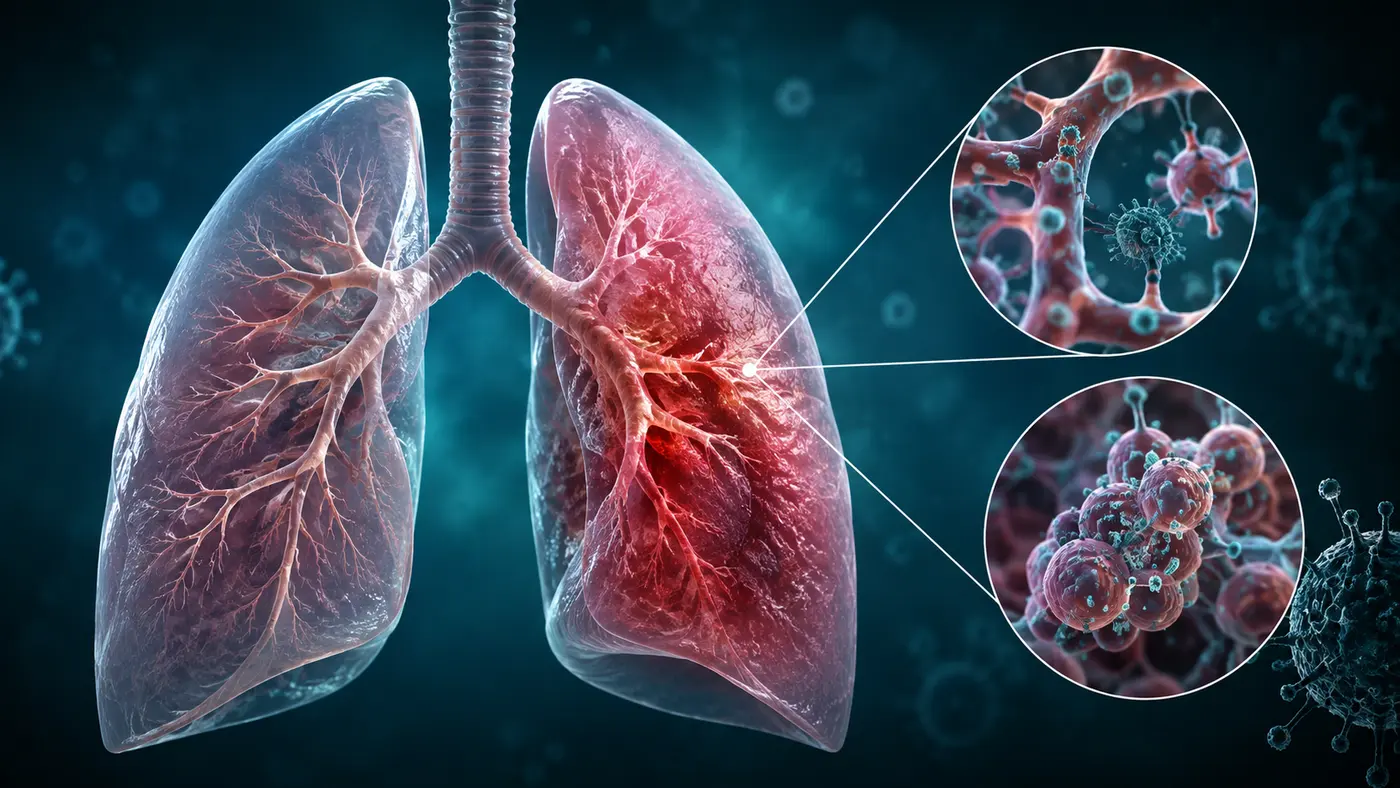
ফুসফুসে ইনফেকশন
ফুসফুসে ইনফেকশন বলতে ফুসফুস বা শ্বাসনালীর বিভিন্ন ধরনের সংক্রমণকে বোঝানো হয়। ব্যাকটেরিয়া, ভাইরাস এবং কিছু ক্ষেত্রে অন্যান্য জীবাণুর কারণে এ ধরনের সংক্রমণ হতে পারে।
সংক্রমণের ধরন ও তীব্রতার ওপর নির্ভর করে কাশি, কফ, জ্বর, বুকে ব্যথা বা শ্বাসকষ্ট হতে পারে। কিছু ইনফেকশন সহজে সেরে যায়, আবার কিছু ক্ষেত্রে দ্রুত চিকিৎসার প্রয়োজন হতে পারে।
সাধারণ লক্ষণ
ফুসফুসে ইনফেকশনের ক্ষেত্রে দেখা যেতে পারে—
কাশি, শুকনো বা কফসহ
কফের পরিমাণ বেড়ে যাওয়া
হলুদ বা সবুজাভ কফ
জ্বর বা কাঁপুনি
শ্বাসকষ্ট
শ্বাস নেওয়ার সময় বুকে ব্যথা বা অস্বস্তি
শ্বাস দ্রুত হওয়া
দুর্বলতা ও অতিরিক্ত ক্লান্তি
ক্ষুধা কমে যাওয়া
শরীর ব্যথা বা মাথাব্যথা
সব রোগীর ক্ষেত্রে একই ধরনের লক্ষণ দেখা যায় না।
কী কী কারণে ফুসফুসে ইনফেকশন হতে পারে?
বিভিন্ন ধরনের জীবাণু ফুসফুস ও শ্বাসতন্ত্রে সংক্রমণ ঘটাতে পারে। যেমন—
ভাইরাস
ব্যাকটেরিয়া
যক্ষ্মার জীবাণু
কিছু ক্ষেত্রে ছত্রাক বা অন্যান্য জীবাণু
কিছু অবস্থায় সংক্রমণের ঝুঁকি বাড়তে পারে—
ধূমপান
Asthma, COPD বা অন্যান্য দীর্ঘস্থায়ী ফুসফুসের রোগ
Diabetes
রোগ প্রতিরোধ ক্ষমতা কমে যাওয়া
বয়স্ক বয়স
দীর্ঘদিন গুরুতর অসুস্থ থাকা
* গিলতে সমস্যা থাকা বা খাবার/তরল শ্বাসনালীতে চলে যাওয়ার ঝুঁকি
কখন ডাক্তার দেখানো উচিত?
কাশি ও জ্বর কয়েকদিনেও না কমলে, কফ বেড়ে গেলে, শ্বাসকষ্ট হলে বা বুকে ব্যথা থাকলে চিকিৎসকের পরামর্শ নেওয়া উচিত।
বিশেষ করে বয়স্ক ব্যক্তি, শিশু বা যাদের আগে থেকেই ফুসফুসের কোনো রোগ আছে, তাদের ক্ষেত্রে সংক্রমণের উপসর্গকে অবহেলা না করাই ভালো।
কীভাবে Diagnosis করা হয়?
প্রথমে রোগীর উপসর্গ, কতদিন ধরে সমস্যা হচ্ছে, পূর্বের রোগের ইতিহাস এবং শারীরিক অবস্থা মূল্যায়ন করা হয়।
প্রয়োজনে করা হতে পারে—
Chest X-ray
Oxygen Saturation পরীক্ষা
Blood tests
Sputum বা কফের পরীক্ষা
প্রয়োজন অনুযায়ী Viral বা Bacterial testing
সন্দেহ অনুযায়ী TB-এর পরীক্ষা
* Chest CT Scan বা অন্যান্য Imaging
সব রোগীর জন্য সব পরীক্ষা প্রয়োজন হয় না। সংক্রমণের ধরন ও রোগীর অবস্থার ওপর ভিত্তি করে প্রয়োজনীয় পরীক্ষা নির্বাচন করা হয়।
চিকিৎসা সম্পর্কে সাধারণ তথ্য
ফুসফুসের ইনফেকশনের চিকিৎসা কোন জীবাণুর কারণে সংক্রমণ হয়েছে এবং রোগীর অবস্থা কতটা গুরুতর—তার ওপর নির্ভর করে।
ব্যাকটেরিয়াজনিত সংক্রমণে প্রয়োজন হলে Antibiotic দেওয়া হতে পারে। ভাইরাসজনিত সংক্রমণে Antibiotic সবসময় কার্যকর নয়; কিছু নির্দিষ্ট ভাইরাল সংক্রমণে প্রয়োজন অনুযায়ী Antiviral treatment দেওয়া হতে পারে।
এছাড়াও প্রয়োজন অনুযায়ী—
জ্বর ও ব্যথা নিয়ন্ত্রণ
পর্যাপ্ত তরল ও বিশ্রাম
কফ ও শ্বাসনালীর উপসর্গের ব্যবস্থাপনা
Oxygen therapy
বিদ্যমান Asthma বা COPD-এর চিকিৎসা সমন্বয়
গুরুতর অবস্থায় হাসপাতালে চিকিৎসা
নিজে থেকে Antibiotic শুরু করা বা আগের প্রেসক্রিপশনের ওষুধ পুনরায় ব্যবহার করা উচিত নয়।
কখন জরুরি চিকিৎসা প্রয়োজন?
নিচের কোনো লক্ষণ দেখা দিলে দ্রুত জরুরি চিকিৎসা নিন—
তীব্র বা দ্রুত বাড়তে থাকা শ্বাসকষ্ট
ঠোঁট, জিহ্বা বা মুখ নীলচে হয়ে যাওয়া
খুব দ্রুত শ্বাস নেওয়া
তীব্র বুকে ব্যথা
অস্বাভাবিক ঘুমঘুম ভাব বা বিভ্রান্তি
অজ্ঞান হয়ে যাওয়া
কাশির সঙ্গে উল্লেখযোগ্য পরিমাণ রক্ত আসা
খুব দ্রুত শারীরিক অবস্থার অবনতি হওয়া
Frequently Asked Questions
ফুসফুসে ইনফেকশন আর নিউমোনিয়া কি একই?
সবসময় নয়। নিউমোনিয়া ফুসফুসের একটি নির্দিষ্ট ধরনের সংক্রমণ। “ফুসফুসে ইনফেকশন” কথাটি তুলনামূলকভাবে বিস্তৃত এবং বিভিন্ন ধরনের শ্বাসতন্ত্রের সংক্রমণ বোঝাতে ব্যবহৃত হতে পারে।
ফুসফুসে ইনফেকশন হলে কি সবসময় Antibiotic লাগে?
না। সংক্রমণের কারণ ব্যাকটেরিয়া, ভাইরাস বা অন্য কোনো জীবাণু হতে পারে। তাই কারণ নির্ণয় করে প্রয়োজন অনুযায়ী চিকিৎসা দেওয়া হয়।
কফ হলেই কি ফুসফুসে ইনফেকশন হয়েছে?
না। কফ Asthma, COPD, অ্যালার্জি, ধূমপানসহ বিভিন্ন কারণেও হতে পারে। কফের সঙ্গে জ্বর, শ্বাসকষ্ট বা অন্য উপসর্গ থাকলে সংক্রমণের সম্ভাবনা মূল্যায়ন করা প্রয়োজন।
ফুসফুসের ইনফেকশন কি ছোঁয়াচে?
কিছু সংক্রমণ—বিশেষ করে কিছু ভাইরাস ও ব্যাকটেরিয়ার সংক্রমণ—অন্য মানুষের মধ্যে ছড়াতে পারে। সংক্রমণের ধরন অনুযায়ী প্রয়োজনীয় সতর্কতা নেওয়া উচিত।
ফুসফুসে ইনফেকশন হলে কতদিনে ভালো হয়?
সময়টা সংক্রমণের কারণ, তীব্রতা এবং রোগীর সামগ্রিক স্বাস্থ্যের ওপর নির্ভর করে। কিছু সংক্রমণ দ্রুত ভালো হয়, আবার গুরুতর সংক্রমণ থেকে সুস্থ হতে বেশি সময় লাগতে পারে।
Related Conditions & Services
নিউমোনিয়া
যক্ষ্মা (TB)
দীর্ঘস্থায়ী কাশি
শ্বাসকষ্ট
ব্রংকাইটিস
Bronchiectasis
Asthma & Allergy
COPD
* Pleural Effusion
Doctor Consultation
কাশি, জ্বর, কফ, বুকে ব্যথা বা শ্বাসকষ্টের পেছনে বিভিন্ন কারণ থাকতে পারে। সঠিক সময়ে মূল্যায়ন করে সংক্রমণের কারণ শনাক্ত করা এবং প্রয়োজনীয় চিকিৎসা শুরু করা গুরুত্বপূর্ণ।
বিশেষ করে শ্বাসকষ্ট বাড়তে থাকলে বা শারীরিক অবস্থার দ্রুত অবনতি হলে দেরি না করে চিকিৎসা নেওয়া উচিত।
Lung Infection
A lung infection refers broadly to an infection affecting the lungs or respiratory system. It can be caused by bacteria, viruses and, in some cases, other microorganisms.
Depending on the type and severity of the infection, symptoms may include cough, sputum production, fever, chest pain and shortness of breath. Some infections are mild and improve with appropriate care, while others may require prompt medical treatment.
Common Symptoms
A lung infection may cause—
Dry or productive cough
Increased sputum production
Yellow or greenish sputum
Fever or chills
Shortness of breath
Chest pain or discomfort when breathing
Rapid breathing
Weakness and fatigue
Loss of appetite
Body aches or headache
Not every patient will have all of these symptoms.
What Can Cause a Lung Infection?
Different microorganisms can cause infections of the lungs and respiratory system, including—
Viruses
Bacteria
Tuberculosis bacteria
Fungi or other microorganisms in some cases
The risk of respiratory infection may be increased by—
Smoking
Asthma, COPD or other chronic lung diseases
Diabetes
A weakened immune system
Older age
Prolonged serious illness
* Difficulty swallowing or an increased risk of food or liquid entering the airways
When Should You See a Doctor?
You should consult a doctor if cough and fever do not improve after several days, sputum production increases, or you develop shortness of breath or chest pain.
Older adults, children and people with existing lung disease should be assessed promptly when respiratory infection symptoms develop.
How Is a Lung Infection Diagnosed?
Evaluation usually begins with a review of symptoms, duration of illness, previous medical conditions and physical examination.
Depending on the clinical situation, investigations may include—
Chest X-ray
Oxygen Saturation measurement
Blood tests
Sputum testing
Viral or Bacterial testing when appropriate
TB testing when suspected
* Chest CT Scan or other Imaging when indicated
Not every patient requires every test. Investigations are selected according to the suspected type of infection and the patient's clinical condition.
General Information About Treatment
Treatment depends mainly on the cause of the infection and how severe the illness is.
Antibiotics may be prescribed when a bacterial infection is suspected or confirmed and treatment is appropriate. Antibiotics do not treat viral infections; selected viral infections may require Antiviral treatment when indicated.
Additional treatment may include—
Management of fever and pain
Adequate fluids and rest
Management of cough and airway symptoms
Oxygen therapy when required
Adjustment of existing Asthma or COPD treatment
Hospital treatment for severe infections
Do not start Antibiotics on your own or reuse an old prescription without medical advice.
When Is Urgent Medical Care Needed?
Seek urgent medical attention if you develop—
Severe or rapidly worsening shortness of breath
Bluish lips, tongue or face
Very rapid breathing
Severe chest pain
Unusual drowsiness or confusion
Fainting
Significant coughing up of blood
Rapid deterioration of your condition
Frequently Asked Questions
Is a lung infection the same as pneumonia?
Not always. Pneumonia is a specific type of infection involving the lung tissue. The term “lung infection” is broader and may be used to describe different respiratory infections.
Does every lung infection require Antibiotics?
No. The infection may be caused by bacteria, viruses or other microorganisms. Treatment should therefore be based on the suspected or confirmed cause.
Does having sputum mean I have a lung infection?
No. Sputum can occur with Asthma, COPD, allergies, smoking and several other conditions. Fever, breathlessness and other symptoms may help determine whether an infection is likely.
Are lung infections contagious?
Some infections, particularly certain viral and bacterial infections, can spread from person to person. Appropriate precautions depend on the type of infection.
How long does a lung infection take to improve?
Recovery time depends on the cause, severity of the infection and the patient's overall health. Some infections improve relatively quickly, while recovery from more severe infections can take longer.
Related Conditions & Services
Pneumonia
Tuberculosis (TB)
Chronic Cough
Breathlessness
Bronchitis
Bronchiectasis
Asthma & Allergy
COPD
* Pleural Effusion
Doctor Consultation
Cough, fever, sputum production, chest pain and breathlessness can have several possible causes. Timely medical evaluation can help identify the underlying infection and guide appropriate treatment.
If breathing difficulty is worsening or your overall condition is deteriorating rapidly, medical attention should not be delayed.