ফুসফুসের পর্দায় পানিPleural Effusion
ফুসফুসের আবরণীর মাঝে পানি জমে শ্বাসকষ্ট ও বুকে ভার লাগাFluid collecting between the layers around the lung, causing breathlessness
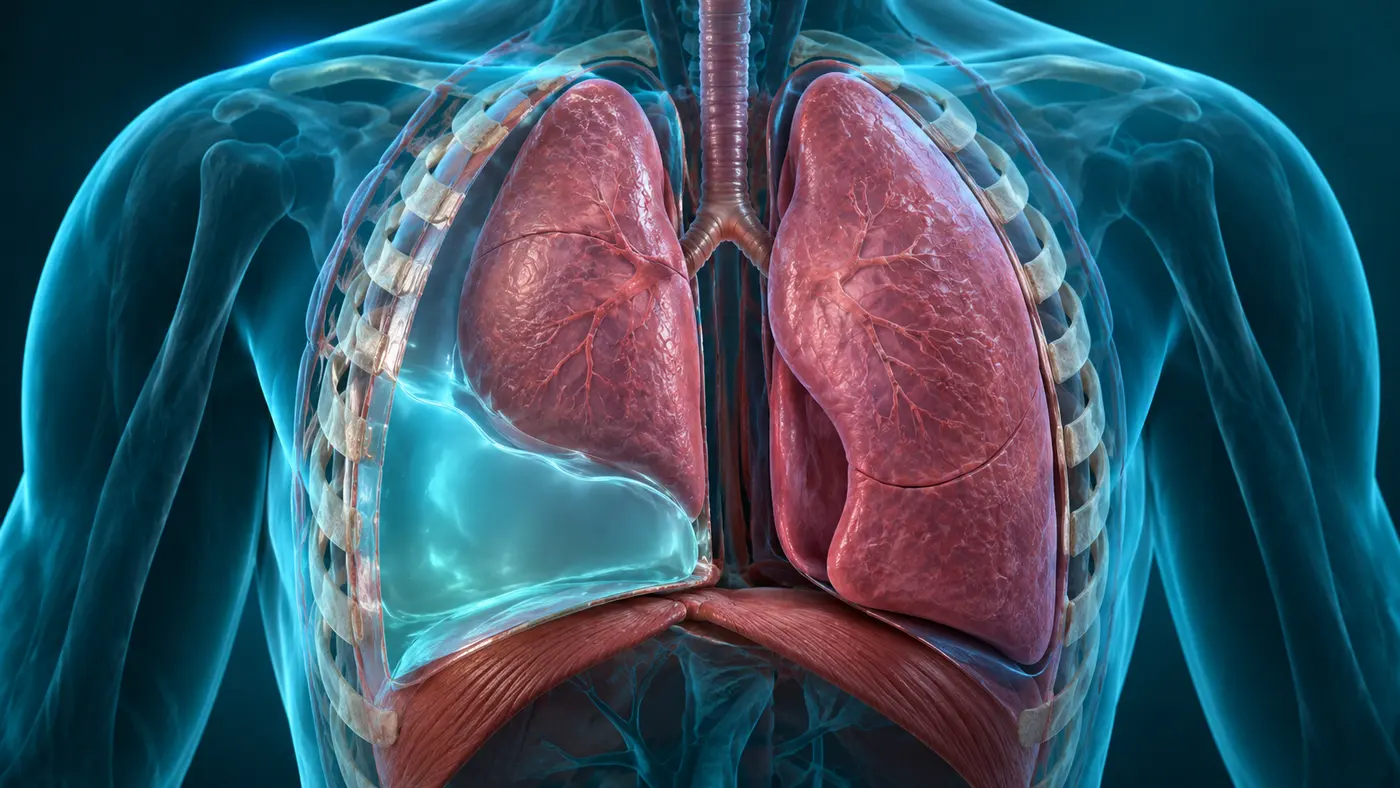
ফুসফুসের পর্দায় পানি (Pleural Effusion)
ফুসফুসের চারপাশে একটি পাতলা আবরণ থাকে, যাকে Pleura বলা হয়। এই দুই স্তরের মাঝখানে স্বাভাবিকভাবেই অল্প পরিমাণ তরল থাকে, যা ফুসফুসের নড়াচড়ায় সাহায্য করে।
এই জায়গায় প্রয়োজনের তুলনায় বেশি তরল জমে গেলে তাকে Pleural Effusion বা ফুসফুসের পর্দায় পানি জমা বলা হয়।
এটি নিজে আলাদা কোনো রোগ না হয়ে অনেক সময় অন্য কোনো রোগ বা সমস্যার ফল হিসেবে দেখা দেয়। তাই শুধু পানি কমানোর চেষ্টা না করে কেন পানি জমেছে, সেটি খুঁজে বের করা গুরুত্বপূর্ণ।
সাধারণ লক্ষণ
Pleural Effusion-এর লক্ষণ পানি কতটা জমেছে এবং এর মূল কারণ কী—তার ওপর নির্ভর করে।
শ্বাসকষ্ট
বুকে ভারী লাগা বা অস্বস্তি
বুকে ব্যথা, বিশেষ করে গভীর শ্বাস বা কাশির সময়
শুকনো কাশি
শুয়ে থাকলে শ্বাসকষ্ট বেড়ে যাওয়া
জ্বর বা শরীর খারাপ লাগা
* সহজে ক্লান্ত হয়ে পড়া
কিছু রোগীর ক্ষেত্রে অল্প পরিমাণ পানি জমলে কোনো উল্লেখযোগ্য উপসর্গ নাও থাকতে পারে এবং অন্য কারণে পরীক্ষা করতে গিয়ে এটি ধরা পড়তে পারে।
কী কী কারণে ফুসফুসের পর্দায় পানি জমতে পারে?
Pleural Effusion-এর বিভিন্ন কারণ থাকতে পারে। যেমন—
নিউমোনিয়া বা অন্যান্য ফুসফুসের সংক্রমণ
যক্ষ্মা (TB)
হার্টের কিছু রোগ
কিডনি বা লিভারের কিছু সমস্যা
শরীরে প্রোটিনের মাত্রা কমে যাওয়া
কিছু ধরনের ক্যান্সার
ফুসফুস বা Pleura-র প্রদাহ
কিছু অটোইমিউন রোগ
* অন্যান্য শারীরিক সমস্যার জটিলতা
একই ধরনের উপসর্গ হলেও কারণ ভিন্ন হতে পারে। তাই পরীক্ষার মাধ্যমে কারণ নির্ণয় করা গুরুত্বপূর্ণ।
কখন ডাক্তার দেখানো উচিত?
শ্বাসকষ্ট, দীর্ঘদিনের বুকে ব্যথা, জ্বর, দীর্ঘস্থায়ী কাশি বা পরীক্ষায় ফুসফুসের পর্দায় পানি ধরা পড়লে চিকিৎসকের পরামর্শ নেওয়া উচিত।
বিশেষ করে পানি কেন জমেছে তা জানা না থাকলে নিজে থেকে কোনো ওষুধ শুরু না করে চিকিৎসকের পরামর্শ অনুযায়ী পরীক্ষা করা প্রয়োজন।
কীভাবে Diagnosis করা হয়?
Pleural Effusion শনাক্ত ও এর কারণ নির্ণয়ের জন্য রোগীর উপসর্গ, পূর্বের রোগের ইতিহাস এবং শারীরিক পরীক্ষা বিবেচনা করা হয়।
প্রয়োজনে করা হতে পারে—
Chest X-ray
Chest Ultrasound
CT Scan of the Chest
রক্ত পরীক্ষা
প্রয়োজন অনুযায়ী Pleural Fluid Analysis
কিছু ক্ষেত্রে Pleural Fluid-এর GeneXpert/অন্যান্য পরীক্ষা
* প্রয়োজন অনুযায়ী Cytology বা অন্যান্য বিশেষ পরীক্ষা
কিছু রোগীর ক্ষেত্রে জমে থাকা তরল থেকে নমুনা নেওয়া বা Thoracentesis করার প্রয়োজন হতে পারে। কোন পরীক্ষা প্রয়োজন হবে, তা রোগীর অবস্থা ও সম্ভাব্য কারণের ওপর নির্ভর করে।
চিকিৎসা সম্পর্কে সাধারণ তথ্য
Pleural Effusion-এর চিকিৎসা মূলত কেন পানি জমেছে তার ওপর নির্ভর করে।
মূল কারণ অনুযায়ী চিকিৎসায় থাকতে পারে—
সংক্রমণ থাকলে প্রয়োজনীয় চিকিৎসা
যক্ষ্মা হলে নির্ধারিত Anti-TB চিকিৎসা
হার্ট, কিডনি বা লিভারের সমস্যার চিকিৎসা
প্রয়োজন অনুযায়ী Pleural Fluid বের করে দেওয়া
বারবার পানি জমলে কারণ অনুযায়ী বিশেষ চিকিৎসা
প্রয়োজন হলে Chest Tube বা অন্য কোনো procedure
সব রোগীর পানি বের করে দিতে হয় না। আবার কিছু ক্ষেত্রে শুধু ওষুধে চিকিৎসা যথেষ্ট নাও হতে পারে। তাই চিকিৎসা রোগীর কারণ ও অবস্থার ভিত্তিতে নির্ধারণ করা হয়।
কখন জরুরি চিকিৎসা প্রয়োজন?
নিচের কোনো লক্ষণ দেখা দিলে দ্রুত জরুরি চিকিৎসা নেওয়া প্রয়োজন—
হঠাৎ বা দ্রুত বেড়ে যাওয়া শ্বাসকষ্ট
খুব বেশি বুকে ব্যথা
ঠোঁট বা মুখ নীলচে হয়ে যাওয়া
মাথা ঘোরা, অজ্ঞান হয়ে যাওয়া বা বিভ্রান্তি
* খুব দ্রুত শারীরিক অবস্থার অবনতি হওয়া
Frequently Asked Questions
ফুসফুসের পর্দায় পানি জমা মানেই কি যক্ষ্মা?
না। যক্ষ্মা Pleural Effusion-এর একটি গুরুত্বপূর্ণ কারণ হতে পারে, তবে নিউমোনিয়া, হার্টের রোগ, কিডনি বা লিভারের সমস্যা, ক্যান্সারসহ আরও অনেক কারণে পানি জমতে পারে।
Pleural Effusion কি নিজে নিজে ভালো হয়ে যায়?
কিছু ক্ষেত্রে মূল রোগের চিকিৎসার সঙ্গে তরল কমে যেতে পারে। তবে কারণ না জেনে অপেক্ষা করা ঠিক নয়। চিকিৎসক প্রয়োজন অনুযায়ী পরীক্ষা করে সিদ্ধান্ত নেবেন।
পানি জমলে কি অবশ্যই পানি বের করতে হয়?
না। সব ক্ষেত্রে Thoracentesis বা পানি বের করার প্রয়োজন হয় না। পানির পরিমাণ, উপসর্গ এবং মূল কারণের ওপর চিকিৎসা নির্ভর করে।
Pleural Effusion কি বিপজ্জনক?
এটি কতটা গুরুতর হবে তা মূল কারণ ও পানির পরিমাণের ওপর নির্ভর করে। কিছু ক্ষেত্রে এটি তুলনামূলকভাবে কম গুরুতর হতে পারে, আবার সংক্রমণ বা অন্য গুরুতর রোগের কারণে হলে দ্রুত চিকিৎসা প্রয়োজন হতে পারে।
পানি বের করার পর কি আবার জমতে পারে?
হ্যাঁ, মূল কারণ থেকে গেলে আবার পানি জমতে পারে। তাই শুধু তরল বের করার পাশাপাশি কারণটি শনাক্ত ও চিকিৎসা করা গুরুত্বপূর্ণ।
Related Conditions & Services
যক্ষ্মা (TB)
নিউমোনিয়া ও ফুসফুসের সংক্রমণ
দীর্ঘস্থায়ী কাশি
শ্বাসকষ্ট
ফুসফুসের অন্যান্য রোগ
ফুসফুসে সংক্রমণজনিত জটিলতা
* Chest & Respiratory Diseases
Doctor Consultation
বুকে পানি জমার কারণ একেক রোগীর ক্ষেত্রে একেক রকম হতে পারে। তাই Pleural Effusion ধরা পড়লে রিপোর্ট নিয়ে একজন বক্ষব্যাধি ও শ্বাসতন্ত্রের রোগ বিশেষজ্ঞের পরামর্শ নেওয়া গুরুত্বপূর্ণ।
সঠিক সময়ে কারণ নির্ণয় করে প্রয়োজনীয় চিকিৎসা শুরু করাই হলো ভালো চিকিৎসার মূল লক্ষ্য।
Pleural Effusion
The lungs are surrounded by a thin protective lining called the pleura. Normally, there is a small amount of fluid between its two layers that helps the lungs move smoothly during breathing.
When excess fluid accumulates in this space, it is called a Pleural Effusion.
Pleural Effusion is often not a disease by itself. It may occur as a result of another underlying condition. Therefore, identifying why the fluid has accumulated is an important part of treatment.
Common Symptoms
Symptoms depend on the amount of fluid and the underlying cause.
Shortness of breath
Chest heaviness or discomfort
Chest pain, particularly with deep breathing or coughing
Dry cough
Increased breathlessness when lying down
Fever or feeling unwell
* Easy fatigue
Small pleural effusions may sometimes cause few or no noticeable symptoms and may be discovered during an investigation for another condition.
What Can Cause Pleural Effusion?
There are several possible causes, including—
Pneumonia and other respiratory infections
Tuberculosis (TB)
Certain heart conditions
Kidney or liver problems
Low protein levels in the body
Certain types of cancer
Inflammation of the lungs or pleura
Some autoimmune diseases
* Complications of other medical conditions
Similar symptoms can occur with different underlying causes, so appropriate evaluation is important.
When Should You See a Doctor?
You should consult a doctor if you develop shortness of breath, persistent chest pain, fever, prolonged cough or if an investigation has shown fluid around the lungs.
If the cause of the pleural fluid is unclear, it is important to undergo appropriate medical evaluation rather than starting medicines on your own.
How Is Pleural Effusion Diagnosed?
Diagnosis involves reviewing your symptoms and medical history, performing a physical examination and using appropriate investigations.
Depending on the situation, investigations may include—
Chest X-ray
Chest Ultrasound
CT Scan of the Chest
Blood tests
Pleural Fluid Analysis when appropriate
GeneXpert or other tests on pleural fluid in selected cases
* Cytology or other specialized investigations when indicated
In some patients, a sample of the pleural fluid may need to be collected through a procedure called Thoracentesis. The choice of investigation depends on the patient's condition and the suspected cause.
General Information About Treatment
Treatment depends mainly on the underlying cause of the Pleural Effusion.
Depending on the cause, treatment may include—
Appropriate treatment for an underlying infection
Anti-TB treatment when tuberculosis is diagnosed
Treatment of underlying heart, kidney or liver disease
Drainage of pleural fluid when necessary
Cause-specific treatment when fluid repeatedly accumulates
Chest tube drainage or other procedures when indicated
Not every patient needs fluid drainage, while medication alone may not be sufficient in some cases. Treatment should therefore be individualized according to the cause and clinical condition.
When Is Urgent Medical Care Needed?
Seek urgent medical attention if you experience—
Sudden or rapidly worsening shortness of breath
Severe chest pain
Bluish lips or face
Dizziness, fainting or confusion
* Rapid deterioration of your overall condition
Frequently Asked Questions
Does fluid around the lungs always mean tuberculosis?
No. Tuberculosis is an important possible cause, but Pleural Effusion can also occur due to pneumonia, heart disease, kidney or liver problems, cancer and several other conditions.
Can Pleural Effusion go away on its own?
In some cases, the fluid may decrease when the underlying condition is treated. However, it is important to identify the cause rather than simply waiting for it to resolve.
Does every Pleural Effusion need to be drained?
No. Thoracentesis or drainage is not necessary in every case. The decision depends on the amount of fluid, symptoms and underlying cause.
Is Pleural Effusion dangerous?
The seriousness depends on the underlying cause and the amount of fluid. Some cases may be relatively mild, while others may require prompt treatment, particularly when caused by significant infection or another serious condition.
Can the fluid come back after drainage?
Yes. If the underlying cause remains, fluid may accumulate again. Treating the underlying cause is therefore an important part of preventing recurrence.
Related Conditions & Services
Tuberculosis (TB)
Pneumonia and Respiratory Infections
Chronic Cough
Breathlessness
Other Lung Diseases
Complications of Respiratory Infections
* Chest & Respiratory Diseases
Doctor Consultation
The cause of fluid around the lungs can vary significantly from one patient to another. If you have been diagnosed with Pleural Effusion, consulting a chest and respiratory medicine specialist is important for appropriate evaluation.
The goal is to identify the underlying cause at the right time and provide appropriate treatment.