বুকে ধড়ফড়Palpitations
হৃদস্পন্দন দ্রুত বা অনিয়মিত মনে হওয়াA heartbeat that feels fast, heavy or irregular
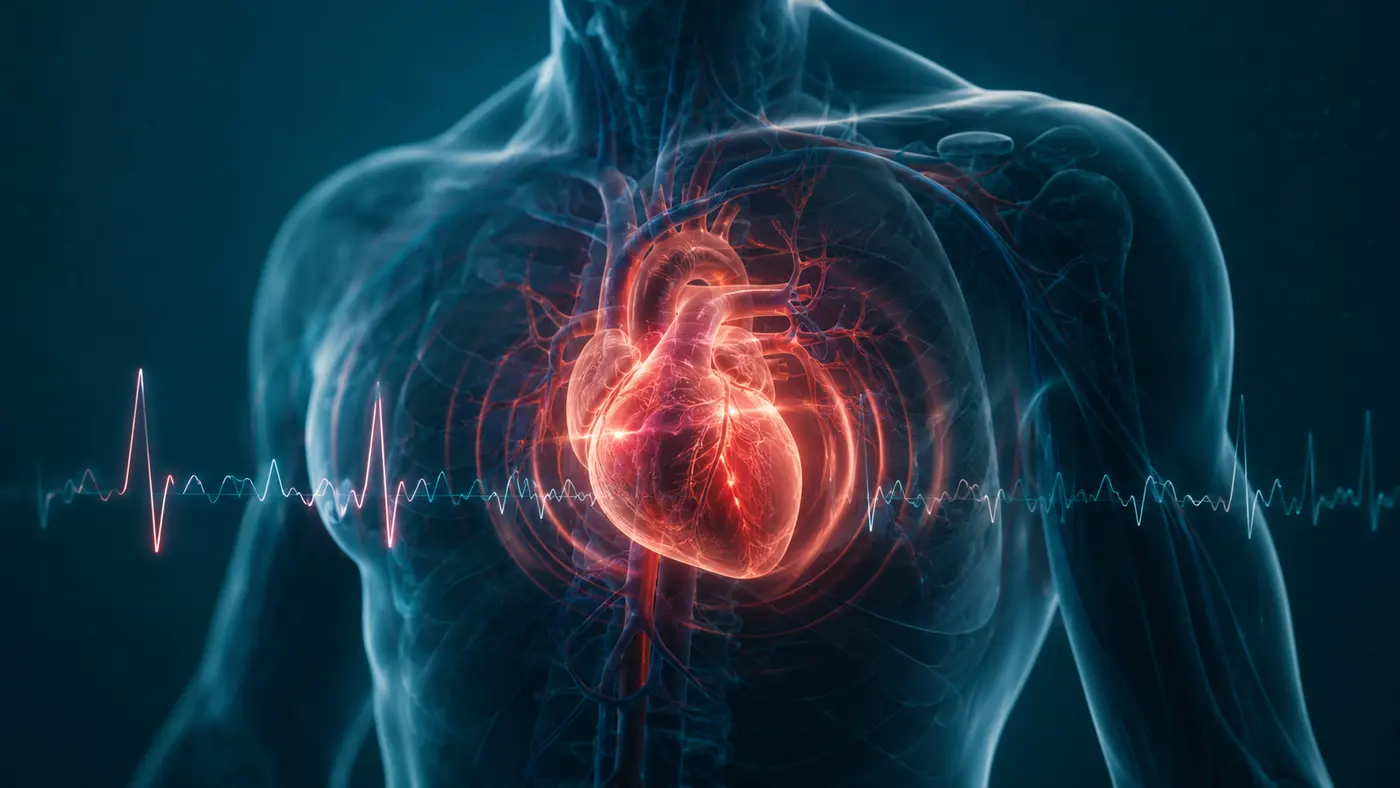
বুকে ধড়ফড়
বুকে ধড়ফড় (Palpitation) বলতে নিজের হৃদ্স্পন্দনকে অস্বাভাবিকভাবে দ্রুত, জোরে, অনিয়মিত বা কাঁপুনি/লাফানোর মতো অনুভূত হওয়াকে বোঝায়।
অনেক সময় উদ্বেগ, মানসিক চাপ, ঘুমের অভাব, অতিরিক্ত চা-কফি বা শারীরিক পরিশ্রমের মতো সাময়িক কারণে বুকে ধড়ফড় হতে পারে। তবে কখনো এটি Heart Rhythm Problem (Arrhythmia), Thyroid Disorder, Anaemia, Electrolyte Imbalance বা অন্যান্য হৃদ্যন্ত্র ও শারীরিক সমস্যার লক্ষণও হতে পারে।
সাধারণ লক্ষণ
বুকে ধড়ফড় বিভিন্নভাবে অনুভূত হতে পারে। যেমন—
হৃদ্স্পন্দন খুব দ্রুত মনে হওয়া
হৃদ্স্পন্দন জোরে অনুভূত হওয়া
হৃদ্স্পন্দন অনিয়মিত বা বিট মিস করার মতো লাগা
বুকে কাঁপুনি বা Fluttering অনুভূতি
হঠাৎ শুরু হয়ে আবার হঠাৎ বন্ধ হয়ে যাওয়া
ধড়ফড়ের সঙ্গে মাথা ঘোরা
দুর্বলতা বা অস্বস্তি
শ্বাসকষ্ট
* বুকের চাপ বা ব্যথা
কী কী কারণে বুকে ধড়ফড় হতে পারে?
বুকে ধড়ফড়ের বিভিন্ন কারণ থাকতে পারে। যেমন—
মানসিক চাপ, উদ্বেগ বা Panic Symptoms
অতিরিক্ত চা, কফি বা Caffeine
ঘুমের অভাব
অতিরিক্ত শারীরিক পরিশ্রম
জ্বর বা পানিশূন্যতা
Anaemia
Thyroid Disorder, বিশেষ করে Hyperthyroidism
Electrolyte Imbalance
কিছু ওষুধ বা Stimulant
Smoking বা Nicotine
Heart Rhythm Disorder বা Arrhythmia
অন্যান্য Heart Disease
কারণ বোঝার জন্য ধড়ফড় কখন হয়, কতক্ষণ থাকে এবং সঙ্গে অন্য কোনো উপসর্গ আছে কি না—এসব তথ্য গুরুত্বপূর্ণ।
কখন ডাক্তার দেখানো উচিত?
বুকে ধড়ফড় বারবার হলে, দীর্ঘসময় স্থায়ী হলে বা দৈনন্দিন কাজের সময় বারবার অনুভূত হলে চিকিৎসকের পরামর্শ নেওয়া উচিত।
বিশেষ করে ধড়ফড়ের সঙ্গে মাথা ঘোরা, অজ্ঞান হয়ে যাওয়া, শ্বাসকষ্ট, বুকের ব্যথা, অস্বাভাবিক দুর্বলতা বা হৃদ্স্পন্দন খুব দ্রুত/অনিয়মিত হওয়ার অনুভূতি থাকলে দ্রুত মূল্যায়ন প্রয়োজন।
কীভাবে Diagnosis করা হয়?
প্রথমে ধড়ফড়ের ধরন, সময়কাল, Trigger, পূর্বের রোগ এবং ব্যবহৃত ওষুধ সম্পর্কে জানা হয়। এরপর প্রয়োজন অনুযায়ী করা হতে পারে—
Blood Pressure ও Pulse Measurement
Oxygen Saturation
ECG
Holter Monitoring বা অন্য Ambulatory ECG Monitoring
Echocardiography
Blood Tests
Thyroid Function Tests
Haemoglobin/CBC
Electrolyte Tests
প্রয়োজন অনুযায়ী অন্যান্য Cardiac Investigations
ধড়ফড়ের সময় ECG করা গেলে কিছু ক্ষেত্রে হৃদ্যন্ত্রের Rhythm-এর সমস্যা শনাক্ত করতে সুবিধা হতে পারে।
চিকিৎসা সম্পর্কে সাধারণ তথ্য
বুকে ধড়ফড়ের চিকিৎসা এর কারণের ওপর নির্ভর করে।
চিকিৎসায় থাকতে পারে—
Caffeine ও অন্যান্য Trigger কমানো
পর্যাপ্ত ঘুম ও বিশ্রাম
পর্যাপ্ত Fluid Intake
Smoking/Nicotine এড়িয়ে চলা
Anaemia বা Thyroid Disorder-এর চিকিৎসা
Electrolyte Imbalance সংশোধন
প্রয়োজন অনুযায়ী Arrhythmia-এর Medication
নির্দিষ্ট Rhythm Problem থাকলে বিশেষায়িত Cardiac Treatment
* নিয়মিত Monitoring ও Follow-up
শুধু ধড়ফড়ের উপসর্গ কমানোর জন্য নিজে থেকে Heart Medicine শুরু করা উচিত নয়।
কখন জরুরি চিকিৎসা প্রয়োজন?
বুকে ধড়ফড়ের সঙ্গে নিচের কোনো লক্ষণ থাকলে দ্রুত জরুরি চিকিৎসা প্রয়োজন—
তীব্র বা নতুন ধরনের বুকের ব্যথা/চাপ
তীব্র শ্বাসকষ্ট
অজ্ঞান হয়ে যাওয়া বা প্রায় অজ্ঞান লাগা
তীব্র মাথা ঘোরা বা দুর্বলতা
খুব দ্রুত বা অনিয়মিত হৃদ্স্পন্দনের সঙ্গে শারীরিক অবস্থা খারাপ হওয়া
ঠোঁট বা মুখ নীল হয়ে যাওয়া
বিভ্রান্তি বা চেতনা কমে যাওয়া
দ্রুত শারীরিক অবস্থার অবনতি
Frequently Asked Questions
বুকে ধড়ফড় হলেই কি হার্টের রোগ হয়েছে?
না। মানসিক চাপ, Caffeine, ঘুমের অভাব, জ্বর, পানিশূন্যতা বা অন্য অনেক কারণেও ধড়ফড় হতে পারে। তবে বারবার বা অস্বাভাবিক ধড়ফড় হলে কারণ নির্ণয় করা গুরুত্বপূর্ণ।
চা-কফি কি বুকে ধড়ফড় বাড়াতে পারে?
হ্যাঁ। অতিরিক্ত Caffeine কিছু মানুষের ক্ষেত্রে Palpitation বাড়াতে পারে। ব্যক্তিভেদে সংবেদনশীলতা ভিন্ন হতে পারে।
থাইরয়েডের সঙ্গে বুকে ধড়ফড়ের সম্পর্ক আছে কি?
হ্যাঁ। বিশেষ করে Hyperthyroidism-এর ক্ষেত্রে হৃদ্স্পন্দন দ্রুত বা অনিয়মিত হতে পারে এবং Palpitation দেখা দিতে পারে।
ECG স্বাভাবিক হলে কি ধড়ফড়ের কোনো সমস্যা নেই?
সবসময় নয়। ধড়ফড় যদি মাঝে মাঝে হয়, ECG করার সময় সেটি নাও ধরা পড়তে পারে। তখন Holter বা অন্য Ambulatory Monitoring প্রয়োজন হতে পারে।
বুকে ধড়ফড় কি উদ্বেগের কারণে হতে পারে?
হ্যাঁ, উদ্বেগ ও মানসিক চাপ Palpitation-এর একটি সাধারণ Trigger হতে পারে। তবে প্রথমবারের, বারবার হওয়া বা অন্য উপসর্গের সঙ্গে থাকা Palpitation-এর ক্ষেত্রে শুধু উদ্বেগকে কারণ ধরে নেওয়া উচিত নয়।
Related Conditions & Services
High Blood Pressure
Thyroid Disorders
Chest Pain
Breathlessness
Diabetes
Anaemia
Sleep Apnea
Heart Disease
* Heart Rhythm Disorders
Doctor Consultation
বুকে ধড়ফড় একটি সাধারণ উপসর্গ হলেও এর কারণ ব্যক্তি ও পরিস্থিতিভেদে ভিন্ন হতে পারে। তাই ধড়ফড়ের সময়, স্থায়িত্ব, Trigger এবং সঙ্গে থাকা উপসর্গ সম্পর্কে বিস্তারিত জানা Diagnosis-এর গুরুত্বপূর্ণ অংশ।
প্রয়োজন অনুযায়ী ECG, Holter Monitoring, Blood Tests, Thyroid Function Tests এবং অন্যান্য Cardiac Investigations-এর মাধ্যমে কারণ শনাক্ত করে উপযুক্ত চিকিৎসা ও Follow-up পরিকল্পনা করা হয়।
Palpitations
Palpitations refer to an unusual awareness of the heartbeat, such as feeling that the heart is beating too fast, too strongly, irregularly or fluttering.
Palpitations can sometimes occur due to temporary factors such as anxiety, stress, lack of sleep, excessive caffeine or physical exertion. However, they can also be associated with Heart Rhythm Problems (Arrhythmias), Thyroid Disorders, Anaemia, Electrolyte Imbalance or other heart and medical conditions.
Common Symptoms
Palpitations may be experienced as—
A very fast heartbeat
A forceful heartbeat
An irregular heartbeat or skipped-beat sensation
Fluttering or trembling in the chest
Sudden onset and sudden stopping
Dizziness associated with the palpitations
Weakness or discomfort
Shortness of breath
* Chest pressure or pain
What Can Cause Palpitations?
Possible causes include—
Stress, anxiety or Panic Symptoms
Excessive tea, coffee or Caffeine
Lack of sleep
Strenuous physical activity
Fever or dehydration
Anaemia
Thyroid Disorders, particularly Hyperthyroidism
Electrolyte Imbalance
Certain medications or stimulants
Smoking or Nicotine
Heart Rhythm Disorders or Arrhythmias
Other Heart Diseases
Understanding when the palpitations occur, how long they last and whether other symptoms occur at the same time can help identify the underlying cause.
When Should You See a Doctor?
Medical evaluation is recommended when Palpitations occur repeatedly, last for a prolonged period or frequently occur during daily activities.
Prompt assessment is particularly important when palpitations are accompanied by dizziness, fainting, shortness of breath, chest pain, unusual weakness or a very fast or irregular heartbeat.
How Is It Diagnosed?
The evaluation begins with details about the pattern, duration and triggers of the palpitations, previous medical conditions and medications. Depending on the situation, investigations may include—
Blood Pressure and Pulse Measurement
Oxygen Saturation
ECG
Holter Monitoring or other Ambulatory ECG Monitoring
Echocardiography
Blood Tests
Thyroid Function Tests
Haemoglobin/CBC
Electrolyte Tests
Other Cardiac Investigations when appropriate
An ECG performed while the symptoms are occurring may be particularly useful for identifying certain Heart Rhythm Problems.
General Information About Treatment
Treatment depends on the underlying cause of the Palpitations.
Management may include—
Reducing Caffeine and other identified Triggers
Adequate sleep and rest
Adequate Fluid Intake
Avoiding Smoking/Nicotine
Treating Anaemia or Thyroid Disorders
Correcting Electrolyte Imbalance
Medication for selected Arrhythmias
Specialist Cardiac Treatment for specific Rhythm Problems
* Regular Monitoring and Follow-up
Heart medications should not be started on your own simply to control Palpitations.
When Is Urgent Medical Care Needed?
Seek urgent medical attention if Palpitations are accompanied by—
Severe or new chest pain or pressure
Severe shortness of breath
Fainting or near-fainting
Severe dizziness or weakness
Very fast or irregular heartbeat with significant deterioration
Blue lips or face
Confusion or reduced consciousness
Rapid deterioration of the overall condition
Frequently Asked Questions
Do Palpitations always mean I have Heart Disease?
No. Palpitations can occur due to stress, Caffeine, lack of sleep, fever, dehydration and many other causes. However, recurrent or unusual Palpitations should be evaluated to identify the underlying cause.
Can tea or coffee cause Palpitations?
Yes. Excessive Caffeine can trigger or increase Palpitations in some people. Individual sensitivity varies.
Are Palpitations related to Thyroid Disorders?
Yes. Hyperthyroidism, in particular, can cause a fast or irregular heartbeat and Palpitations.
If my ECG is normal, does that mean there is no Heart Rhythm Problem?
Not necessarily. If Palpitations occur intermittently, they may not happen during a standard ECG. Holter Monitoring or other Ambulatory Monitoring may therefore be useful in selected cases.
Can Palpitations be caused by anxiety?
Yes. Anxiety and stress are common Triggers. However, first-time, recurrent or otherwise unusual Palpitations should not automatically be attributed to anxiety without appropriate assessment.
Related Conditions & Services
High Blood Pressure
Thyroid Disorders
Chest Pain
Breathlessness
Diabetes
Anaemia
Sleep Apnea
Heart Disease
* Heart Rhythm Disorders
Doctor Consultation
Palpitations are a common symptom, but the underlying cause can vary significantly from person to person. Understanding the timing, duration, Triggers and associated symptoms is an important part of the evaluation.
When appropriate, ECG, Holter Monitoring, Blood Tests, Thyroid Function Tests and other Cardiac Investigations can help identify the cause and guide an individualized Treatment and Follow-up plan.