ওজন কমা বা বেড়ে যাওয়াWeight Loss or Gain
অস্বাভাবিক ওজন পরিবর্তনের কারণ নির্ণয় ও চিকিৎসাInvestigating and treating unexplained changes in weight
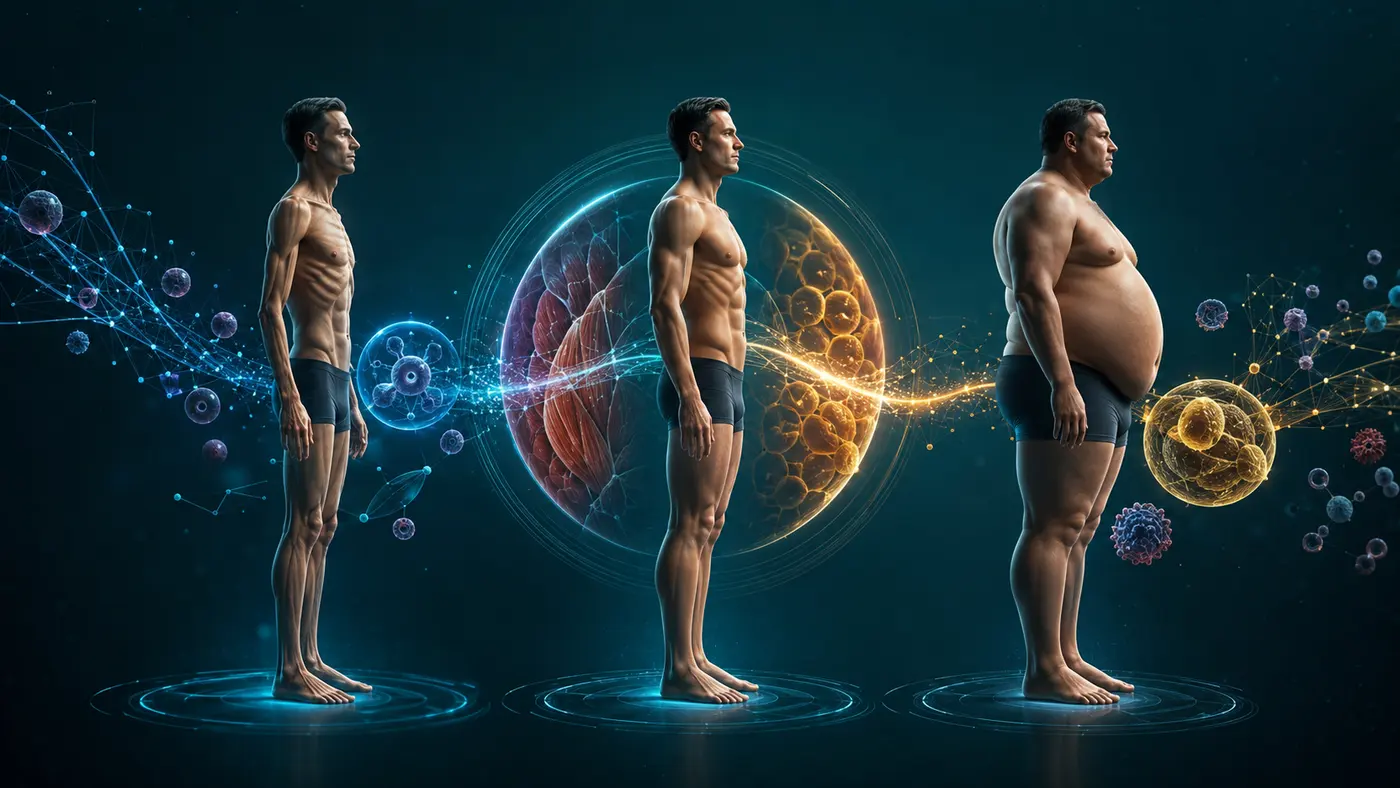
ওজন কমা বা বেড়ে যাওয়া
খাদ্যাভ্যাস বা শারীরিক পরিশ্রমে উল্লেখযোগ্য পরিবর্তন না থাকলেও শরীরের ওজন অস্বাভাবিকভাবে কমে বা বেড়ে গেলে বিষয়টি গুরুত্ব দিয়ে দেখা উচিত।
ওজনের পরিবর্তন অনেক সময় খাদ্যাভ্যাস, ব্যায়াম, ঘুম বা জীবনযাপনের পরিবর্তনের কারণে হয়। তবে Diabetes, Thyroid Disorder, দীর্ঘস্থায়ী সংক্রমণ, হরমোনজনিত সমস্যা, Heart বা Kidney Disease, হজমের সমস্যা, কিছু ওষুধ বা অন্যান্য দীর্ঘস্থায়ী রোগের সঙ্গেও অস্বাভাবিক ওজন পরিবর্তনের সম্পর্ক থাকতে পারে।
সাধারণ লক্ষণ
ওজন কমা বা বেড়ে যাওয়ার সঙ্গে দেখা যেতে পারে—
অকারণে ওজন কমে যাওয়া
খাবার স্বাভাবিক থাকলেও ওজন কমতে থাকা
ক্ষুধা অস্বাভাবিকভাবে বেড়ে যাওয়া বা কমে যাওয়া
অস্বাভাবিকভাবে দ্রুত ওজন বেড়ে যাওয়া
শরীর বা মুখে ফোলা ভাব
অতিরিক্ত তৃষ্ণা ও বারবার প্রস্রাব
অতিরিক্ত ক্লান্তি বা দুর্বলতা
বুক ধড়ফড়, ঘাম বা গরম সহ্য না হওয়া
ঠান্ডা বেশি লাগা বা কোষ্ঠকাঠিন্য
শ্বাসকষ্ট বা পা ফুলে যাওয়া
দীর্ঘস্থায়ী জ্বর বা রাতের ঘাম
পেটের সমস্যা, ডায়রিয়া বা বমি
কী কী কারণে ওজন কমতে বা বাড়তে পারে?
ওজন পরিবর্তনের সম্ভাব্য কারণ অনেক। যেমন—
খাদ্যাভ্যাস ও দৈনিক ক্যালরি গ্রহণের পরিবর্তন
শারীরিক পরিশ্রম বা Exercise-এর পরিবর্তন
Diabetes
Thyroid Disorders
দীর্ঘস্থায়ী সংক্রমণ, যেমন TB
Chronic Lung Disease
Heart Disease
Kidney বা Liver Disease
হজম বা শোষণজনিত সমস্যা
Hormonal বা Metabolic Disorders
Sleep Apnea ও ঘুমের সমস্যা
দীর্ঘস্থায়ী প্রদাহজনিত বা অন্যান্য অসুস্থতা
কিছু ওষুধের পার্শ্বপ্রতিক্রিয়া
মানসিক চাপ বা জীবনযাপনের পরিবর্তন
ইচ্ছা না থাকা সত্ত্বেও ওজন কমে যাওয়া বিশেষভাবে গুরুত্ব দিয়ে মূল্যায়ন করা উচিত।
কখন ডাক্তার দেখানো উচিত?
খাদ্যাভ্যাস বা ব্যায়ামে উল্লেখযোগ্য পরিবর্তন ছাড়াই ওজন কমতে থাকলে বা দ্রুত বেড়ে গেলে চিকিৎসকের পরামর্শ নেওয়া উচিত।
বিশেষ করে ওজন পরিবর্তনের সঙ্গে দীর্ঘস্থায়ী জ্বর, রাতের ঘাম, ক্ষুধামন্দা, দীর্ঘস্থায়ী কাশি, শ্বাসকষ্ট, অতিরিক্ত তৃষ্ণা, বারবার প্রস্রাব, বুক ধড়ফড়, পা ফুলে যাওয়া বা দীর্ঘস্থায়ী দুর্বলতা থাকলে কারণটি খুঁজে দেখা প্রয়োজন।
কীভাবে Diagnosis করা হয়?
প্রথমে ওজন কখন থেকে পরিবর্তিত হচ্ছে, কতটা পরিবর্তন হয়েছে, খাদ্যাভ্যাস, Exercise, ঘুম, ওষুধ এবং অন্যান্য উপসর্গ সম্পর্কে বিস্তারিত জানা হয়।
প্রয়োজন অনুযায়ী করা হতে পারে—
Weight, BMI ও অন্যান্য শারীরিক পরিমাপ
Blood Pressure ও Pulse
Blood Glucose ও HbA1c
Thyroid Function Tests
CBC ও Haemoglobin
Kidney Function Tests
Liver Function Tests
Electrolyte Tests
Urine Tests
প্রয়োজন অনুযায়ী Stool বা অন্যান্য পরীক্ষা
Chest X-ray
ECG
Echocardiography
প্রয়োজন অনুযায়ী Abdominal Ultrasound বা অন্যান্য Imaging
* উপসর্গ অনুযায়ী অন্যান্য Hormonal, Infectious বা Metabolic Investigations
সব রোগীর জন্য সব পরীক্ষা প্রয়োজন হয় না। রোগীর উপসর্গ ও প্রাথমিক মূল্যায়নের ভিত্তিতে প্রয়োজনীয় পরীক্ষা নির্বাচন করা হয়।
চিকিৎসা সম্পর্কে সাধারণ তথ্য
ওজন পরিবর্তনের চিকিৎসা মূল কারণের ওপর নির্ভর করে।
চিকিৎসায় থাকতে পারে—
Diabetes-এর উপযুক্ত নিয়ন্ত্রণ
Thyroid বা অন্যান্য Hormonal Disorder-এর চিকিৎসা
Chronic Infection-এর কারণভিত্তিক চিকিৎসা
Heart, Lung, Kidney বা Liver Disease-এর চিকিৎসা
উপযুক্ত খাদ্যাভ্যাস ও Nutrition Plan
প্রয়োজন অনুযায়ী Calorie ও Protein Intake-এর সমন্বয়
স্বাস্থ্যকরভাবে ওজন কমানোর পরিকল্পনা
প্রয়োজন অনুযায়ী Physical Activity ও Exercise Plan
Sleep Disorder-এর চিকিৎসা
ওষুধের পার্শ্বপ্রতিক্রিয়া থাকলে চিকিৎসকের পরামর্শে Medication Review
* নিয়মিত Monitoring ও Follow-up
দ্রুত ওজন কমানোর জন্য বা দ্রুত ওজন বাড়ানোর জন্য নিজে থেকে কোনো ওষুধ, Steroid বা Supplement ব্যবহার করা উচিত নয়।
কখন জরুরি চিকিৎসা প্রয়োজন?
ওজন পরিবর্তনের সঙ্গে নিচের কোনো লক্ষণ থাকলে দ্রুত জরুরি চিকিৎসা প্রয়োজন—
তীব্র বা হঠাৎ শ্বাসকষ্ট
তীব্র বুকের ব্যথা বা চাপ
অজ্ঞান হয়ে যাওয়া
তীব্র দুর্বলতা বা বিভ্রান্তি
শরীর দ্রুত ফুলে যাওয়ার সঙ্গে শ্বাসকষ্ট
বারবার বমি ও পানিশূন্যতার লক্ষণ
খুব বেশি দুর্বল হয়ে পড়া বা দাঁড়াতে সমস্যা
অস্বাভাবিক বা উল্লেখযোগ্য রক্তপাত
* দ্রুত শারীরিক অবস্থার অবনতি
Frequently Asked Questions
চেষ্টা না করেও ওজন কমে গেলে কি চিন্তার কারণ?
সবসময় গুরুতর রোগ বোঝায় না, তবে কারণ না জেনে ওজন কমতে থাকলে মূল্যায়ন করা উচিত। বিশেষ করে ক্ষুধামন্দা, জ্বর, রাতের ঘাম, দীর্ঘস্থায়ী কাশি বা দুর্বলতা থাকলে।
ওজন বেড়ে গেলেই কি বেশি খাওয়ার কারণে হয়েছে?
সবসময় নয়। অতিরিক্ত ক্যালরি গ্রহণ একটি সাধারণ কারণ হলেও Thyroid Disorder, Fluid Retention, কিছু ওষুধ ও অন্যান্য রোগের কারণেও ওজন বাড়তে পারে।
থাইরয়েডের কারণে কি ওজন কমা বা বাড়া দুটোই হতে পারে?
হ্যাঁ। Hypothyroidism-এ ওজন বাড়তে পারে, আর Hyperthyroidism-এ ক্ষুধা থাকা সত্ত্বেও ওজন কমতে পারে। তবে শুধু ওজন পরিবর্তন দেখে Thyroid Disorder নিশ্চিত করা যায় না।
Diabetes-এর সঙ্গে ওজনের কী সম্পর্ক?
বিশেষ করে অনিয়ন্ত্রিত Diabetes-এ ওজন কমতে পারে। এর সঙ্গে অতিরিক্ত তৃষ্ণা, বারবার প্রস্রাব ও দুর্বলতা থাকতে পারে।
পা ফুলে ওজন বেড়ে গেলে কি সবটাই চর্বি?
না। দ্রুত ওজন বাড়ার সঙ্গে পা বা শরীর ফুলে গেলে শরীরে অতিরিক্ত Fluid জমার কারণও বিবেচনা করা হয়।
Related Conditions & Services
Diabetes
Thyroid Disorders
Obesity & Weight Management
Chronic Fatigue
Breathlessness
Heart Disease
Kidney Disease
Liver Disease
Sleep Apnea
Tuberculosis
Chronic Lung Disease
Hormonal & Metabolic Disorders
Doctor Consultation
ওজন কমা বা বেড়ে যাওয়া শুধু খাদ্যাভ্যাসের পরিবর্তনের ফল নাও হতে পারে। এর পেছনে Hormonal, Metabolic, Infectious, Heart, Lung, Kidney বা অন্যান্য দীর্ঘস্থায়ী রোগের ভূমিকা থাকতে পারে।
ওজনের পরিবর্তনের ইতিহাস, শারীরিক পরীক্ষা এবং প্রয়োজনীয় Blood, Urine, Cardiac, Respiratory ও Imaging Investigations-এর মাধ্যমে সম্ভাব্য কারণ চিহ্নিত করে উপযুক্ত চিকিৎসা ও Follow-up পরিকল্পনা করা হয়।
Unexplained Weight Loss or Weight Gain
Significant changes in body weight without a clear change in diet or physical activity should be evaluated, particularly when the change is persistent or progressive.
Weight changes may occur because of changes in diet, exercise, sleep or lifestyle. However, Diabetes, Thyroid Disorders, Chronic Infections, Hormonal Conditions, Heart or Kidney Disease, Digestive Problems, certain medications and other chronic illnesses can also contribute to abnormal changes in body weight.
Common Symptoms
Weight loss or weight gain may be associated with—
Unintentional weight loss
Continuing to lose weight despite eating normally
Increased or reduced appetite
Rapid or unexplained weight gain
Swelling or puffiness of the body or face
Excessive thirst and frequent urination
Persistent fatigue or weakness
Palpitations, excessive sweating or heat intolerance
Increased sensitivity to cold or constipation
Shortness of Breath or leg swelling
Persistent fever or night sweats
Abdominal problems, diarrhoea or vomiting
What Can Cause Weight Loss or Weight Gain?
Possible causes include—
Changes in diet and daily calorie intake
Changes in physical activity or Exercise
Diabetes
Thyroid Disorders
Chronic Infections such as TB
Chronic Lung Disease
Heart Disease
Kidney or Liver Disease
Digestive or malabsorption problems
Hormonal or Metabolic Disorders
Sleep Apnea and other Sleep Problems
Chronic inflammatory or other medical conditions
Side effects of certain medications
Significant stress or lifestyle changes
Unintentional weight loss deserves particular attention and should be evaluated when it continues without an obvious explanation.
When Should You See a Doctor?
Medical evaluation is recommended when your weight continues to decrease without a significant change in diet or exercise, or when there is rapid or unexplained weight gain.
Evaluation is particularly important when weight changes occur together with persistent fever, night sweats, reduced appetite, chronic cough, Shortness of Breath, excessive thirst, frequent urination, Palpitations, leg swelling or persistent fatigue.
How Is It Diagnosed?
The assessment begins with understanding when the weight started changing, how much it has changed, dietary habits, Exercise, sleep, medications and associated symptoms.
Depending on the situation, investigations may include—
Weight, BMI and other physical measurements
Blood Pressure and Pulse
Blood Glucose and HbA1c
Thyroid Function Tests
CBC and Haemoglobin
Kidney Function Tests
Liver Function Tests
Electrolyte Tests
Urine Tests
Stool or other tests when appropriate
Chest X-ray
ECG
Echocardiography
Abdominal Ultrasound or other Imaging when indicated
* Other Hormonal, Infectious or Metabolic Investigations according to symptoms
Not every patient requires all of these tests. Investigations are selected according to the clinical assessment.
General Information About Treatment
Treatment depends on the underlying cause of the weight change.
Management may include—
Appropriate Diabetes management
Treatment of Thyroid or other Hormonal Disorders
Cause-specific treatment of Chronic Infection
Treatment of Heart, Lung, Kidney or Liver Disease
An appropriate Nutrition and dietary plan
Adjustment of Calorie and Protein Intake when necessary
A healthy and sustainable Weight Management plan
Physical Activity and Exercise according to individual health status
Treatment of Sleep Disorders
Medication review when side effects may be contributing
* Regular Monitoring and Follow-up
Medications, Steroids or Supplements should not be used on your own to gain or lose weight rapidly.
When Is Urgent Medical Care Needed?
Seek urgent medical attention if weight changes are accompanied by—
Severe or sudden Shortness of Breath
Severe chest pain or pressure
Fainting
Severe weakness or confusion
Rapid generalized swelling with Shortness of Breath
Repeated vomiting with signs of dehydration
Severe weakness or difficulty standing
Significant or unusual bleeding
* Rapid deterioration of the overall condition
Frequently Asked Questions
Is unintentional weight loss always a sign of a serious disease?
Not necessarily. However, persistent weight loss without an obvious explanation should be evaluated, particularly when accompanied by reduced appetite, fever, night sweats, chronic cough or weakness.
Does weight gain always mean that I am eating too much?
No. Excess calorie intake is a common cause, but Thyroid Disorders, Fluid Retention, certain medications and other medical conditions can also contribute to weight gain.
Can Thyroid Disorders cause both weight loss and weight gain?
Yes. Hypothyroidism can contribute to weight gain, while Hyperthyroidism can cause weight loss even when appetite is maintained or increased. Weight change alone, however, cannot confirm a Thyroid Disorder.
How is Diabetes related to weight loss?
Uncontrolled Diabetes can cause weight loss, particularly when accompanied by excessive thirst, frequent urination and fatigue.
If my weight increases because my legs are swollen, is it all body fat?
No. Rapid weight gain accompanied by swelling may indicate Fluid Retention rather than an increase in body fat.
Related Conditions & Services
Diabetes
Thyroid Disorders
Obesity & Weight Management
Chronic Fatigue
Breathlessness
Heart Disease
Kidney Disease
Liver Disease
Sleep Apnea
Tuberculosis
Chronic Lung Disease
Hormonal & Metabolic Disorders
Doctor Consultation
Weight loss or weight gain is not always simply the result of dietary changes. It can also be associated with Hormonal, Metabolic, Infectious, Heart, Lung, Kidney or other chronic medical conditions.
Through assessment of the weight-change pattern, physical examination and appropriate Blood, Urine, Cardiac, Respiratory and Imaging Investigations, the underlying cause can be identified and an individualized Treatment and Follow-up plan can be developed.