ডায়াবেটিসDiabetes
রক্তে শর্করা নিয়ন্ত্রণ ও জটিলতা প্রতিরোধBlood sugar control and prevention of complications
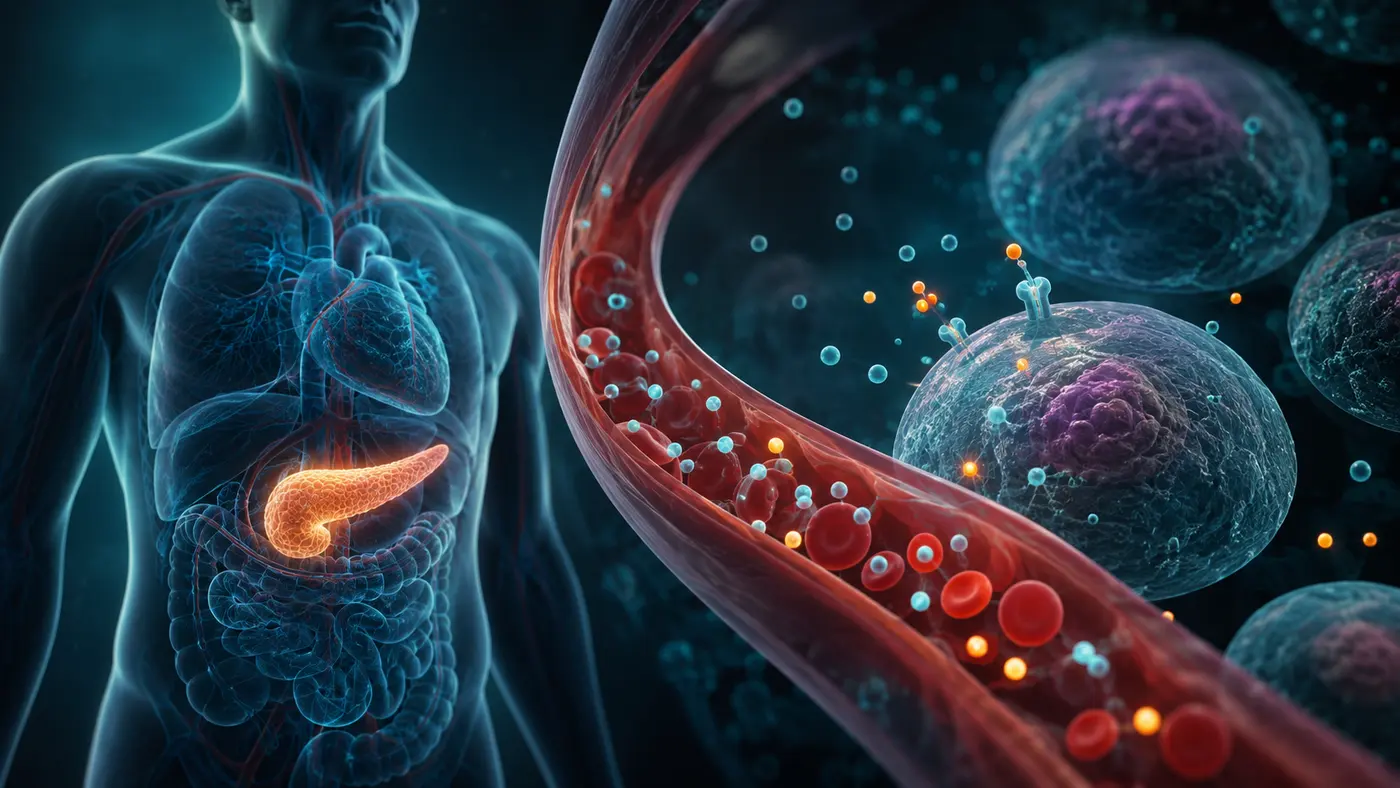
ডায়াবেটিস
ডায়াবেটিস (Diabetes Mellitus) হলো এমন একটি দীর্ঘমেয়াদি metabolic condition, যেখানে শরীরে রক্তের Glucose বা Blood Sugar-এর মাত্রা স্বাভাবিকের তুলনায় বেশি থাকে।
সাধারণত শরীর পর্যাপ্ত Insulin তৈরি করতে না পারলে, অথবা তৈরি হওয়া Insulin ঠিকভাবে কাজ না করলে রক্তে Glucose বেড়ে যায়। দীর্ঘদিন অনিয়ন্ত্রিত থাকলে এটি হৃদ্যন্ত্র, কিডনি, চোখ, স্নায়ু ও রক্তনালীর ওপর প্রভাব ফেলতে পারে।
সাধারণ লক্ষণ
ডায়াবেটিসের শুরুতে অনেকের কোনো স্পষ্ট লক্ষণ নাও থাকতে পারে। তবে দেখা দিতে পারে—
অতিরিক্ত পিপাসা পাওয়া
বারবার প্রস্রাব হওয়া
অতিরিক্ত ক্ষুধা লাগা
অস্বাভাবিক ওজন কমে যাওয়া
দুর্বলতা বা অতিরিক্ত ক্লান্তি
ঝাপসা দেখা
ক্ষত শুকাতে দেরি হওয়া
বারবার ইনফেকশন হওয়া
* হাত-পায়ে ঝিনঝিনি বা অবশভাব
কী কী কারণে ডায়াবেটিসের ঝুঁকি বাড়তে পারে?
ডায়াবেটিসের ধরন অনুযায়ী কারণ ও Risk Factor ভিন্ন হতে পারে। Type 2 Diabetes-এর ক্ষেত্রে ঝুঁকি বাড়াতে পারে—
পরিবারের ডায়াবেটিসের ইতিহাস
অতিরিক্ত ওজন বা স্থূলতা
শারীরিক পরিশ্রম কম করা
অস্বাস্থ্যকর খাদ্যাভ্যাস
বয়স বাড়ার সঙ্গে কিছু Risk Factor বৃদ্ধি
পূর্বে Prediabetes থাকা
উচ্চ রক্তচাপ
কিছু নির্দিষ্ট হরমোনাল বা অন্যান্য শারীরিক অবস্থা
গর্ভাবস্থায় Gestational Diabetes-ও হতে পারে।
কখন ডাক্তার দেখানো উচিত?
অতিরিক্ত পিপাসা, বারবার প্রস্রাব, অস্বাভাবিক ওজন কমে যাওয়া, দুর্বলতা বা ঝাপসা দেখার মতো লক্ষণ থাকলে Blood Sugar পরীক্ষা করা উচিত।
বিশেষ করে পরিবারের ডায়াবেটিসের ইতিহাস, অতিরিক্ত ওজন, উচ্চ রক্তচাপ বা পূর্বে Prediabetes থাকলে নিয়মিত screening প্রয়োজন হতে পারে।
কীভাবে Diagnosis করা হয়?
ডায়াবেটিস নির্ণয়ের জন্য প্রয়োজন অনুযায়ী করা হতে পারে—
Fasting Plasma Glucose
HbA1c
Oral Glucose Tolerance Test (OGTT)
Random Plasma Glucose, বিশেষ পরিস্থিতিতে
শুধু একটি Glucose Reading-এর ওপর ভিত্তি করে সবসময় চূড়ান্ত সিদ্ধান্ত নেওয়া হয় না। রোগীর উপসর্গ ও পরীক্ষার ফলাফল মিলিয়ে Diagnosis করা হয়।
ডায়াবেটিস শনাক্ত হওয়ার পর কিডনি, চোখ, স্নায়ু, রক্তচাপ ও Cardiovascular Risk-ও নিয়মিত মূল্যায়ন করা গুরুত্বপূর্ণ।
চিকিৎসা সম্পর্কে সাধারণ তথ্য
ডায়াবেটিসের চিকিৎসা রোগের ধরন, Blood Sugar Level, বয়স, অন্যান্য রোগ এবং ব্যক্তিগত প্রয়োজন অনুযায়ী নির্ধারণ করা হয়।
চিকিৎসায় থাকতে পারে—
স্বাস্থ্যকর ও সুষম খাদ্যাভ্যাস
নিয়মিত শারীরিক কার্যক্রম
প্রয়োজন অনুযায়ী ওজন নিয়ন্ত্রণ
Blood Glucose Monitoring
Oral Diabetes Medication
প্রয়োজন অনুযায়ী Insulin
Blood Pressure ও Cholesterol নিয়ন্ত্রণ
নিয়মিত চোখ, কিডনি ও পায়ের স্বাস্থ্য পরীক্ষা
* নিয়মিত Follow-up
ডায়াবেটিসের ওষুধ বা Insulin নিজে থেকে শুরু, বন্ধ বা Dose পরিবর্তন করা উচিত নয়।
কখন জরুরি চিকিৎসা প্রয়োজন?
ডায়াবেটিসের সঙ্গে নিচের কোনো গুরুতর লক্ষণ দেখা দিলে দ্রুত জরুরি চিকিৎসা প্রয়োজন হতে পারে—
অস্বাভাবিক ঘুমঘুম ভাব বা চেতনা কমে যাওয়া
বিভ্রান্তি
বারবার বমি
তীব্র দুর্বলতা
শ্বাস নিতে কষ্ট বা অস্বাভাবিক দ্রুত শ্বাস
তীব্র পানিশূন্যতার লক্ষণ
খিঁচুনি বা অজ্ঞান হয়ে যাওয়া
খুব কম Blood Sugar-এর সঙ্গে ঘাম, কাঁপুনি, বিভ্রান্তি বা অজ্ঞান হয়ে যাওয়া
Frequently Asked Questions
ডায়াবেটিস থাকলে কি সবসময় উপসর্গ থাকে?
না। বিশেষ করে Type 2 Diabetes দীর্ঘদিন কোনো স্পষ্ট উপসর্গ ছাড়াই থাকতে পারে। তাই Risk Factor থাকলে নিয়মিত screening গুরুত্বপূর্ণ।
ডায়াবেটিস কি পুরোপুরি ভালো হয়ে যায়?
ডায়াবেটিসের ধরন অনুযায়ী বিষয়টি ভিন্ন। কিছু মানুষের ক্ষেত্রে Lifestyle Modification ও ওজন নিয়ন্ত্রণের মাধ্যমে Blood Sugar উল্লেখযোগ্যভাবে উন্নত হতে পারে। তবে চিকিৎসা ও Follow-up প্রয়োজন কি না, তা ব্যক্তিভেদে নির্ধারণ করতে হয়।
ডায়াবেটিস থাকলে কি ভাত একেবারে বন্ধ করতে হবে?
সবসময় নয়। মোট খাদ্যাভ্যাস, পরিমাণ, carbohydrate-এর ধরন এবং ব্যক্তির Blood Sugar Control বিবেচনা করে খাদ্য পরিকল্পনা করা হয়।
ডায়াবেটিসের ওষুধ শুরু করলে কি সারাজীবন খেতে হয়?
সবার ক্ষেত্রে একই নয়। রোগের ধরন, Blood Sugar Control, Lifestyle এবং অন্যান্য স্বাস্থ্যগত বিষয় অনুযায়ী চিকিৎসা পরিবর্তিত হতে পারে। চিকিৎসকের পরামর্শ ছাড়া ওষুধ বন্ধ করা উচিত নয়।
ডায়াবেটিসের সঙ্গে উচ্চ রক্তচাপের সম্পর্ক আছে কি?
হ্যাঁ। Diabetes এবং High Blood Pressure একসঙ্গে থাকলে হৃদ্যন্ত্র, কিডনি ও রক্তনালীর জটিলতার ঝুঁকি বাড়তে পারে। তাই দুটিই নিয়মিত নিয়ন্ত্রণে রাখা গুরুত্বপূর্ণ।
Related Conditions & Services
High Blood Pressure
Obesity & Weight Management
Cholesterol & Cardiovascular Risk
Kidney Disease
Sleep Apnea
Metabolic Disorders
Breathlessness
Smoking-related Health Problems
Doctor Consultation
ডায়াবেটিস শুধু Blood Sugar-এর একটি সংখ্যা নয়। দীর্ঘমেয়াদে শরীরের বিভিন্ন অঙ্গের ওপর এর প্রভাব কমানোর জন্য Blood Sugar-এর পাশাপাশি Blood Pressure, Cholesterol, Kidney, Eye এবং অন্যান্য Risk Factor নিয়মিত মূল্যায়ন করা গুরুত্বপূর্ণ।
রোগীর বর্তমান অবস্থা ও প্রয়োজন অনুযায়ী Lifestyle Modification, Medication, Monitoring এবং Follow-up-এর একটি ব্যক্তিগত চিকিৎসা পরিকল্পনা তৈরি করা হয়।
Diabetes
Diabetes Mellitus is a long-term metabolic condition in which the level of Glucose or Blood Sugar in the blood remains higher than normal.
This can happen when the body does not produce enough Insulin, or when the Insulin produced by the body does not work effectively. If Blood Sugar remains uncontrolled for a long time, Diabetes can affect the heart, kidneys, eyes, nerves and blood vessels.
Common Symptoms
Many people, particularly in the early stages of Type 2 Diabetes, may have no obvious symptoms. Possible symptoms include—
Excessive thirst
Frequent urination
Increased hunger
Unexplained weight loss
Weakness or excessive tiredness
Blurred vision
Slow wound healing
Recurrent infections
* Tingling or numbness in the hands or feet
What Can Increase the Risk of Diabetes?
Risk Factors vary depending on the type of Diabetes. For Type 2 Diabetes, risk may be increased by—
Family history of Diabetes
Overweight or obesity
Low physical activity
Unhealthy dietary patterns
Increasing age and associated Risk Factors
Previous Prediabetes
High Blood Pressure
Certain hormonal or other medical conditions
Gestational Diabetes can also develop during pregnancy.
When Should You See a Doctor?
If you experience excessive thirst, frequent urination, unexplained weight loss, unusual fatigue or blurred vision, Blood Sugar testing may be appropriate.
Regular screening may also be recommended for people with a family history of Diabetes, overweight or obesity, High Blood Pressure or previous Prediabetes.
How Is It Diagnosed?
Depending on the situation, Diabetes may be diagnosed using—
Fasting Plasma Glucose
HbA1c
Oral Glucose Tolerance Test (OGTT)
Random Plasma Glucose in specific situations
A single Glucose Reading does not always provide the complete picture. Diagnosis is made by considering the patient's symptoms and appropriate laboratory results.
After Diabetes is diagnosed, regular assessment of kidney health, eye health, nerves, Blood Pressure and Cardiovascular Risk is also important.
General Information About Treatment
Diabetes treatment is individualized according to the type of Diabetes, Blood Sugar levels, age, other medical conditions and individual needs.
Management may include—
A healthy, balanced diet
Regular physical activity
Weight management when appropriate
Blood Glucose Monitoring
Oral Diabetes Medication
Insulin when required
Blood Pressure and Cholesterol management
Regular eye, kidney and foot assessments
* Regular Follow-up
Diabetes Medication or Insulin should not be started, stopped or dose-adjusted without medical advice.
When Is Urgent Medical Care Needed?
Urgent medical attention may be required if Diabetes is accompanied by—
Unusual drowsiness or reduced consciousness
Confusion
Repeated vomiting
Severe weakness
Difficulty breathing or unusually rapid breathing
Signs of significant dehydration
Seizures or loss of consciousness
Symptoms of very low Blood Sugar such as sweating, shaking, confusion or loss of consciousness
Frequently Asked Questions
Does Diabetes always cause symptoms?
No. Type 2 Diabetes can remain without obvious symptoms for a long time. Regular screening is therefore important when Risk Factors are present.
Can Diabetes be completely cured?
This depends on the type of Diabetes and the individual situation. Some people can achieve substantial improvement in Blood Sugar through Lifestyle Modification and weight management. The need for ongoing treatment and Follow-up varies from person to person.
Do I have to stop eating rice completely if I have Diabetes?
Not necessarily. A suitable diet depends on the overall eating pattern, portion size, type of carbohydrate and individual Blood Sugar Control.
If I start Diabetes Medication, do I have to take it for life?
Not everyone requires the same long-term treatment. Medication needs can change depending on the type of Diabetes, Blood Sugar Control, Lifestyle and other health factors. Medication should not be stopped without medical advice.
Is Diabetes related to High Blood Pressure?
Yes. Diabetes and High Blood Pressure can occur together, and having both can increase the risk of complications involving the heart, kidneys and blood vessels. Both conditions should therefore be appropriately monitored and controlled.
Related Conditions & Services
High Blood Pressure
Obesity & Weight Management
Cholesterol & Cardiovascular Risk
Kidney Disease
Sleep Apnea
Metabolic Disorders
Breathlessness
Smoking-related Health Problems
Doctor Consultation
Diabetes is more than a single Blood Sugar Reading. Long-term management also involves monitoring Blood Pressure, Cholesterol, kidney health, eye health and other Cardiovascular Risk Factors.
Based on the patient's condition and individual needs, an appropriate plan for Lifestyle Modification, Medication, Monitoring and regular Follow-up can be developed.