উচ্চ রক্তচাপHigh Blood Pressure
প্রেসার নিয়ন্ত্রণ ও দীর্ঘমেয়াদী ব্যবস্থাপনাControl and long term management of blood pressure
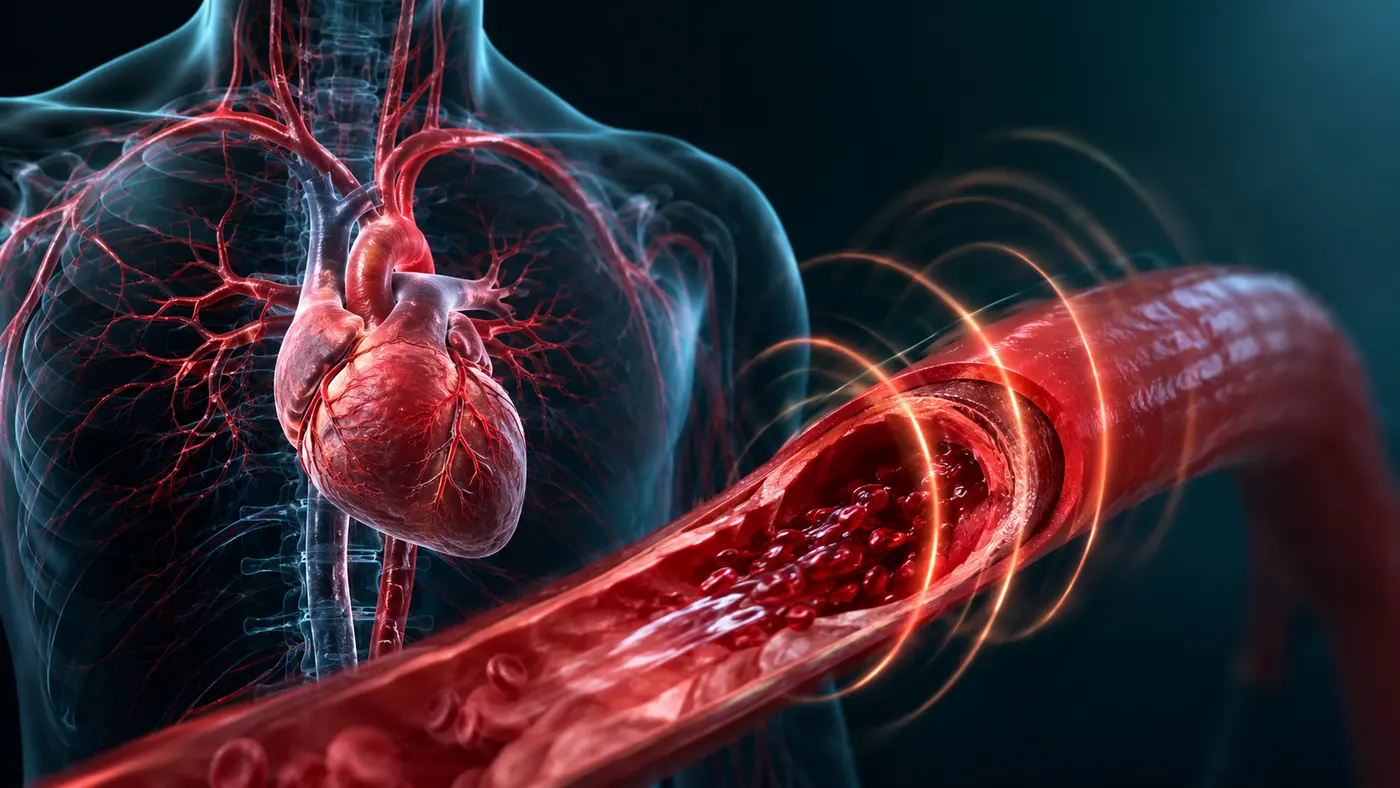
উচ্চ রক্তচাপ
উচ্চ রক্তচাপ (High Blood Pressure বা Hypertension) হলো এমন একটি অবস্থা, যেখানে দীর্ঘ সময় ধরে ধমনীর ভেতরে রক্তের চাপ স্বাভাবিকের তুলনায় বেশি থাকে।
অনেক সময় উচ্চ রক্তচাপের কোনো স্পষ্ট লক্ষণ থাকে না। তাই নিয়মিত রক্তচাপ মাপা গুরুত্বপূর্ণ। দীর্ঘদিন নিয়ন্ত্রণে না থাকলে এটি হৃদ্যন্ত্র, মস্তিষ্ক, কিডনি, চোখ এবং রক্তনালীর ওপর ক্ষতিকর প্রভাব ফেলতে পারে।
সাধারণ লক্ষণ
উচ্চ রক্তচাপ অনেকের ক্ষেত্রে কোনো উপসর্গ ছাড়াই থাকতে পারে। তবে রক্তচাপ খুব বেশি বেড়ে গেলে কিছু মানুষের মধ্যে দেখা দিতে পারে—
মাথাব্যথা
মাথা ঘোরা
বুক ধড়ফড়
ঝাপসা দেখা
দুর্বল বা অস্বস্তি লাগা
শ্বাসকষ্ট
* বুকের অস্বস্তি
শুধু এসব উপসর্গের ওপর ভিত্তি করে উচ্চ রক্তচাপ নির্ণয় করা যায় না। রক্তচাপ মাপার মাধ্যমে এটি মূল্যায়ন করা হয়।
কী কী কারণে উচ্চ রক্তচাপের ঝুঁকি বাড়তে পারে?
উচ্চ রক্তচাপের অনেকগুলো Risk Factor রয়েছে। যেমন—
অতিরিক্ত লবণ গ্রহণ
অতিরিক্ত ওজন বা স্থূলতা
শারীরিক পরিশ্রম কম করা
ধূমপান
অতিরিক্ত অ্যালকোহল গ্রহণ
দীর্ঘস্থায়ী মানসিক চাপ
পরিবারের উচ্চ রক্তচাপের ইতিহাস
বয়স বাড়ার সঙ্গে রক্তনালীর পরিবর্তন
Diabetes বা Kidney Disease
Sleep Apnea
কিছু রোগ বা নির্দিষ্ট ওষুধের কারণেও Secondary Hypertension হতে পারে।
কখন ডাক্তার দেখানো উচিত?
রক্তচাপ বারবার বেশি পাওয়া গেলে চিকিৎসকের পরামর্শ নেওয়া উচিত। একবার রক্তচাপ বেশি হলেই সবসময় Hypertension নিশ্চিত হয় না; সঠিক পদ্ধতিতে একাধিকবার মাপা এবং প্রয়োজন অনুযায়ী Home Blood Pressure Monitoring করা হতে পারে।
বিশেষ করে উচ্চ রক্তচাপের সঙ্গে Diabetes, Kidney Disease, Heart Disease, Sleep Apnea বা অন্য কোনো দীর্ঘমেয়াদি রোগ থাকলে নিয়মিত Follow-up গুরুত্বপূর্ণ।
কীভাবে Diagnosis করা হয়?
উচ্চ রক্তচাপ নির্ণয়ের মূল ভিত্তি হলো সঠিকভাবে রক্তচাপ পরিমাপ করা।
প্রয়োজনে করা হতে পারে—
Clinic Blood Pressure Measurement
একাধিক সময়ে পুনরায় Blood Pressure Measurement
Home Blood Pressure Monitoring
24-hour Ambulatory Blood Pressure Monitoring (ABPM)
Blood ও Urine Tests
Kidney Function Assessment
Blood Glucose ও Lipid Profile
ECG
* প্রয়োজন অনুযায়ী Echocardiography বা অন্যান্য পরীক্ষা
কোন পরীক্ষা প্রয়োজন হবে তা রোগীর বয়স, রক্তচাপের মাত্রা এবং অন্যান্য Risk Factors-এর ওপর নির্ভর করে।
চিকিৎসা সম্পর্কে সাধারণ তথ্য
উচ্চ রক্তচাপের চিকিৎসার লক্ষ্য হলো রক্তচাপ নিয়ন্ত্রণে রাখা এবং দীর্ঘমেয়াদি জটিলতার ঝুঁকি কমানো।
চিকিৎসায় থাকতে পারে—
লবণ গ্রহণ কমানো
স্বাস্থ্যকর ও সুষম খাদ্যাভ্যাস
প্রয়োজন হলে ওজন কমানো
নিয়মিত শারীরিক কার্যক্রম
ধূমপান বন্ধ করা
অ্যালকোহল এড়িয়ে চলা বা কমানো
পর্যাপ্ত ঘুম ও Sleep Apnea-এর চিকিৎসা
প্রয়োজন অনুযায়ী নিয়মিত Blood Pressure Medication
* নিয়মিত Blood Pressure Monitoring ও Follow-up
রক্তচাপ স্বাভাবিক মনে হলেও চিকিৎসকের পরামর্শ ছাড়া Prescribed Medicine বন্ধ করা উচিত নয়।
কখন জরুরি চিকিৎসা প্রয়োজন?
রক্তচাপ খুব বেশি হওয়ার সঙ্গে নিচের কোনো লক্ষণ থাকলে দ্রুত জরুরি চিকিৎসা প্রয়োজন—
তীব্র বা নতুন ধরনের বুকের ব্যথা
তীব্র শ্বাসকষ্ট
অজ্ঞান হয়ে যাওয়া
হঠাৎ মুখ বেঁকে যাওয়া বা শরীরের এক পাশ দুর্বল/অবশ হয়ে যাওয়া
কথা বলতে বা বুঝতে হঠাৎ সমস্যা হওয়া
হঠাৎ দৃষ্টিশক্তির গুরুতর পরিবর্তন
তীব্র অস্বাভাবিক মাথাব্যথার সঙ্গে বিভ্রান্তি বা অন্যান্য Neurological Symptoms
দ্রুত শারীরিক অবস্থার অবনতি
Frequently Asked Questions
উচ্চ রক্তচাপ থাকলে কি সবসময় কোনো লক্ষণ থাকে?
না। উচ্চ রক্তচাপ অনেক সময় সম্পূর্ণ উপসর্গহীন থাকে। তাই নিয়মিত রক্তচাপ পরীক্ষা গুরুত্বপূর্ণ।
একবার রক্তচাপ বেশি হলেই কি Hypertension হয়েছে?
সবসময় নয়। রক্তচাপ বিভিন্ন সময় ও পরিস্থিতিতে পরিবর্তিত হতে পারে। সাধারণত একাধিক সঠিক পরিমাপ এবং প্রয়োজন অনুযায়ী Home বা Ambulatory Monitoring-এর মাধ্যমে বিষয়টি মূল্যায়ন করা হয়।
উচ্চ রক্তচাপ কি সম্পূর্ণ ভালো হয়ে যায়?
কিছু মানুষের ক্ষেত্রে Lifestyle Modification-এর মাধ্যমে রক্তচাপ উল্লেখযোগ্যভাবে নিয়ন্ত্রণে আসতে পারে। অনেকের দীর্ঘমেয়াদি চিকিৎসা প্রয়োজন হয়। চিকিৎসার লক্ষ্য হলো নিরাপদ মাত্রায় রক্তচাপ নিয়ন্ত্রণে রাখা এবং জটিলতার ঝুঁকি কমানো।
উচ্চ রক্তচাপের সঙ্গে Sleep Apnea-এর সম্পর্ক আছে কি?
হ্যাঁ। Obstructive Sleep Apnea উচ্চ রক্তচাপের সঙ্গে সম্পর্কিত হতে পারে। তাই জোরে নাক ডাকা, ঘুমের মধ্যে শ্বাস বন্ধ হওয়া বা অতিরিক্ত দিনের ঘুম থাকলে Sleep Apnea-এর মূল্যায়ন প্রয়োজন হতে পারে।
রক্তচাপের ওষুধ কি সারাজীবন খেতে হয়?
সবার ক্ষেত্রে একই নয়। বয়স, রক্তচাপের মাত্রা, অন্যান্য রোগ এবং চিকিৎসায় সাড়া দেওয়ার ওপর নির্ভর করে চিকিৎসার প্রয়োজনীয়তা পরিবর্তিত হতে পারে। ওষুধের পরিবর্তন বা বন্ধ করার সিদ্ধান্ত চিকিৎসকের পরামর্শ অনুযায়ী হওয়া উচিত।
Related Conditions & Services
Sleep Apnea
Obesity & Weight Management
Diabetes
Kidney Disease
Heart Disease
Chest Pain
Breathlessness
Smoking-related Health Problems
* Cardiovascular Risk Assessment
Doctor Consultation
উচ্চ রক্তচাপ অনেক সময় কোনো লক্ষণ ছাড়াই থাকে। তাই শুধু মাথাব্যথা বা মাথা ঘোরার মতো উপসর্গের ওপর নির্ভর না করে নিয়মিত Blood Pressure Monitoring এবং প্রয়োজন অনুযায়ী চিকিৎসকের মূল্যায়ন গুরুত্বপূর্ণ।
রক্তচাপের মাত্রা, অন্যান্য Risk Factors এবং সংশ্লিষ্ট রোগগুলো বিবেচনা করে Lifestyle Modification, প্রয়োজনীয় Medication এবং নিয়মিত Follow-up-এর মাধ্যমে রক্তচাপ নিয়ন্ত্রণের পরিকল্পনা করা হয়।
High Blood Pressure
High Blood Pressure, also known as Hypertension, is a condition in which the pressure of blood against the walls of the arteries remains higher than recommended over time.
Hypertension often causes no noticeable symptoms. Regular Blood Pressure Measurement is therefore important. When left uncontrolled for a long period, high blood pressure can affect the heart, brain, kidneys, eyes and blood vessels.
Common Symptoms
Many people with high blood pressure have no symptoms. When blood pressure becomes very high, some people may experience—
Headache
Dizziness
Palpitations
Blurred vision
Weakness or general discomfort
Shortness of breath
* Chest discomfort
Symptoms alone cannot diagnose Hypertension. Blood Pressure Measurement is required for proper assessment.
What Can Increase the Risk of High Blood Pressure?
Several Risk Factors can contribute to Hypertension, including—
High salt intake
Overweight or obesity
Low physical activity
Smoking
Excessive alcohol consumption
Chronic stress
Family history of Hypertension
Age-related changes in blood vessels
Diabetes or Kidney Disease
Sleep Apnea
Certain medical conditions and medications can also cause Secondary Hypertension.
When Should You See a Doctor?
Medical evaluation is recommended when Blood Pressure readings are repeatedly elevated. A single high reading does not always confirm Hypertension; accurate repeated measurements and, when appropriate, Home Blood Pressure Monitoring may be needed.
Regular Follow-up is particularly important if Hypertension occurs together with Diabetes, Kidney Disease, Heart Disease, Sleep Apnea or other chronic conditions.
How Is It Diagnosed?
The diagnosis of Hypertension is primarily based on accurate Blood Pressure Measurement.
Depending on the situation, assessment may include—
Clinic Blood Pressure Measurement
Repeat Blood Pressure Measurements at different times
Home Blood Pressure Monitoring
24-hour Ambulatory Blood Pressure Monitoring (ABPM)
Blood and Urine Tests
Kidney Function Assessment
Blood Glucose and Lipid Profile
ECG
* Echocardiography or other investigations when appropriate
The investigations required depend on the patient's age, Blood Pressure level and other Risk Factors.
General Information About Treatment
The goals of Hypertension treatment are to control Blood Pressure and reduce the risk of long-term complications.
Management may include—
Reducing salt intake
A healthy, balanced diet
Weight reduction when appropriate
Regular physical activity
Stopping smoking
Avoiding or limiting alcohol
Adequate sleep and treatment of Sleep Apnea when present
Regular Blood Pressure Medication when indicated
* Regular Blood Pressure Monitoring and Follow-up
Prescribed Blood Pressure Medication should not be stopped without medical advice, even if readings become normal.
When Is Urgent Medical Care Needed?
Seek urgent medical attention if very high Blood Pressure is accompanied by—
Severe or new chest pain
Severe shortness of breath
Fainting
Sudden facial drooping or weakness/numbness on one side of the body
Sudden difficulty speaking or understanding speech
Sudden severe changes in vision
Severe unusual headache with confusion or other Neurological Symptoms
Rapid deterioration of your condition
Frequently Asked Questions
Does High Blood Pressure always cause symptoms?
No. Hypertension is often completely symptom-free. This is why regular Blood Pressure Monitoring is important.
Does one high Blood Pressure reading mean I have Hypertension?
Not necessarily. Blood Pressure can vary depending on circumstances. Diagnosis generally involves repeated accurate measurements and, when appropriate, Home or Ambulatory Blood Pressure Monitoring.
Can High Blood Pressure be completely cured?
Some people can achieve substantial improvement through Lifestyle Modification, while others require long-term treatment. The goal is to keep Blood Pressure within a safe range and reduce the risk of complications.
Is High Blood Pressure related to Sleep Apnea?
Yes. Obstructive Sleep Apnea is associated with High Blood Pressure. People who have loud snoring, witnessed breathing pauses or excessive daytime sleepiness may benefit from evaluation for Sleep Apnea.
Do Blood Pressure Medicines have to be taken for life?
Not necessarily in every case. The need for long-term medication depends on factors such as age, Blood Pressure levels, other medical conditions and response to treatment. Any decision to reduce or stop medication should be made with medical guidance.
Related Conditions & Services
Sleep Apnea
Obesity & Weight Management
Diabetes
Kidney Disease
Heart Disease
Chest Pain
Breathlessness
Smoking-related Health Problems
* Cardiovascular Risk Assessment
Doctor Consultation
High Blood Pressure can remain silent for a long time. Therefore, relying only on symptoms such as headache or dizziness is not sufficient; regular Blood Pressure Monitoring and appropriate medical evaluation are important.
Blood Pressure levels, Risk Factors and associated medical conditions are assessed to develop an individualized plan involving Lifestyle Modification, Medication when required and regular Follow-up.