করোনা পরবর্তী জটিলতাPost COVID Complications
কোভিডের পর দীর্ঘস্থায়ী শ্বাসকষ্ট, কাশি ও দুর্বলতাLasting breathlessness, cough and weakness after COVID
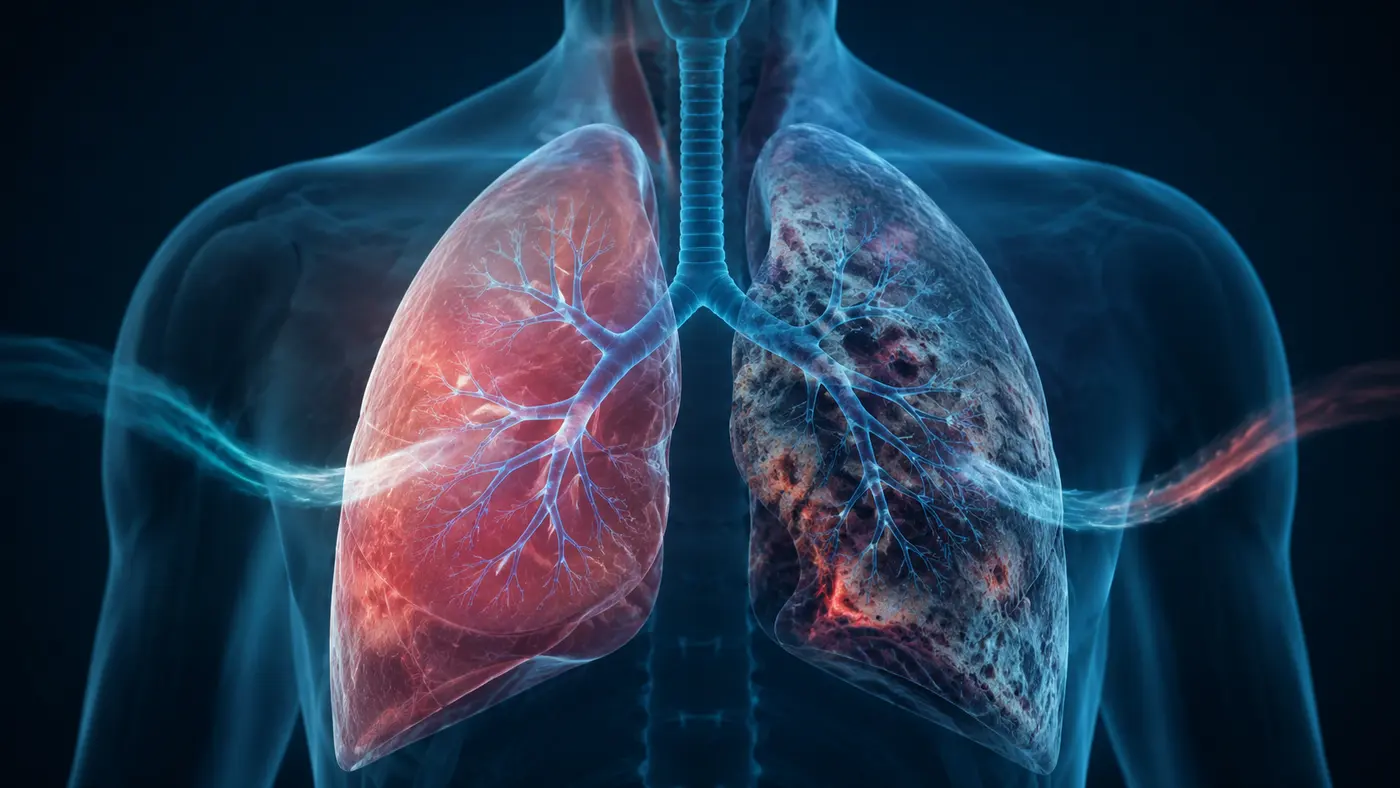
করোনা পরবর্তী জটিলতা
করোনা (COVID-19) থেকে সেরে ওঠার পর কিছু মানুষের শরীরে বিভিন্ন ধরনের উপসর্গ কিছুদিন বা কখনো আরও দীর্ঘ সময় থাকতে পারে। এগুলোকে Post-COVID Complications বা Post-COVID Conditions বলা হয়।
করোনার পর সবার একই ধরনের সমস্যা হয় না। কারও শ্বাসতন্ত্রে সমস্যা থাকতে পারে, আবার কারও ক্ষেত্রে ক্লান্তি, বুক ধড়ফড়, ঘুমের সমস্যা বা মনোযোগের মতো অন্যান্য উপসর্গ দেখা দিতে পারে। পূর্বের COVID-19-এর তীব্রতা, বয়স, অন্যান্য রোগ এবং ব্যক্তিভেদে উপসর্গের ধরন ভিন্ন হতে পারে।
সাধারণ লক্ষণ
করোনা থেকে সুস্থ হওয়ার পর দেখা দিতে পারে—
দীর্ঘস্থায়ী কাশি
শ্বাসকষ্ট বা অল্প পরিশ্রমেই হাঁপিয়ে যাওয়া
বুকের অস্বস্তি বা ব্যথা
সহজে ক্লান্ত হয়ে যাওয়া
শারীরিক সক্ষমতা কমে যাওয়া
বুক ধড়ফড় বা হৃদস্পন্দন অস্বাভাবিক মনে হওয়া
ঘুমের সমস্যা
মাথা ঘোরা বা মাথাব্যথা
মনোযোগ বা স্মৃতিতে সমস্যা
স্বাদ বা গন্ধের পরিবর্তন
* উদ্বেগ বা মেজাজের পরিবর্তন
কিছু মানুষের ক্ষেত্রে COVID-19-এর পর ফুসফুসে প্রদাহ বা Fibrotic Change-এর মতো পরিবর্তনও দেখা যেতে পারে, বিশেষ করে গুরুতর সংক্রমণের পর।
কী কারণে করোনা পরবর্তী জটিলতা হতে পারে?
Post-COVID Condition-এর সঠিক কারণ সব ক্ষেত্রে একই নয়। সংক্রমণের পর শরীরে দীর্ঘস্থায়ী প্রদাহ, রোগ প্রতিরোধ ব্যবস্থার পরিবর্তন, বিভিন্ন অঙ্গের ওপর সংক্রমণের প্রভাব এবং গুরুতর অসুস্থতার পর দীর্ঘ Recovery-এর মতো বিষয় ভূমিকা রাখতে পারে।
ঝুঁকি ও উপসর্গের ধরন বিভিন্ন বিষয়ের সঙ্গে সম্পর্কিত হতে পারে—
গুরুতর COVID-19 বা হাসপাতালে ভর্তি হওয়ার ইতিহাস
COVID-19-এর সময় ফুসফুসে উল্লেখযোগ্য সংক্রমণ
আগে থেকে থাকা ফুসফুস বা অন্যান্য দীর্ঘমেয়াদি রোগ
দীর্ঘ সময় শারীরিক দুর্বলতা বা নিষ্ক্রিয়তা
* কিছু ক্ষেত্রে সংক্রমণের পর দীর্ঘস্থায়ী প্রদাহ বা অন্যান্য পরিবর্তন
কখন ডাক্তার দেখানো উচিত?
COVID-19 থেকে সুস্থ হওয়ার পরও যদি কাশি, শ্বাসকষ্ট, বুকের অস্বস্তি, অতিরিক্ত ক্লান্তি বা আগের তুলনায় শারীরিক সক্ষমতা কমে থাকে, তাহলে চিকিৎসকের পরামর্শ নেওয়া উচিত।
বিশেষ করে উপসর্গ কয়েক সপ্তাহ ধরে থাকে, ধীরে ধীরে বাড়ে, দৈনন্দিন কাজকর্মে বাধা দেয় বা আগের ফুসফুসের রোগের উপসর্গের সঙ্গে নতুন সমস্যা যোগ হয়—তাহলে মূল্যায়ন প্রয়োজন।
কীভাবে Diagnosis করা হয়?
Post-COVID সমস্যার জন্য সবার একই পরীক্ষা প্রয়োজন হয় না। উপসর্গ, পূর্বের COVID-19-এর ইতিহাস এবং শারীরিক পরীক্ষার ওপর ভিত্তি করে প্রয়োজনীয় পরীক্ষা নির্বাচন করা হয়।
প্রয়োজনে করা হতে পারে—
বিস্তারিত Medical History ও শারীরিক পরীক্ষা
Oxygen Saturation
Chest X-ray
প্রয়োজন অনুযায়ী HRCT/CT Scan of the Chest
Pulmonary Function Test
Exercise বা হাঁটার সময় Oxygen Level পর্যবেক্ষণ
ECG
Blood tests
প্রয়োজন অনুযায়ী Echocardiography বা অন্যান্য Cardiac Evaluation
উপসর্গ অনুযায়ী অন্যান্য পরীক্ষা
সব Post-COVID উপসর্গের কারণ যে COVID-19-ই হবে, এমন নয়। তাই নতুন বা দীর্ঘস্থায়ী উপসর্গের অন্য সম্ভাব্য কারণও মূল্যায়ন করা গুরুত্বপূর্ণ।
চিকিৎসা সম্পর্কে সাধারণ তথ্য
Post-COVID Complications-এর চিকিৎসা নির্ভর করে কোন ধরনের সমস্যা হয়েছে এবং তার সম্ভাব্য কারণের ওপর।
চিকিৎসায় প্রয়োজন অনুযায়ী থাকতে পারে—
শ্বাসতন্ত্রের সমস্যার Cause-specific Treatment
প্রয়োজন অনুযায়ী Inhaled Medication
Oxygen Therapy, যদি রক্তে Oxygen কম থাকে
Pulmonary Rehabilitation ও ধীরে ধীরে শারীরিক সক্ষমতা ফিরিয়ে আনার পরিকল্পনা
ঘুম ও দৈনন্দিন কার্যক্রমের উন্নতি
পর্যাপ্ত বিশ্রাম ও ব্যক্তিভেদে Gradual Activity
পূর্বের বা নতুন কোনো ফুসফুসের রোগ থাকলে তার চিকিৎসা
প্রয়োজন অনুযায়ী Heart বা অন্য Specialist-এর মূল্যায়ন
* নিয়মিত Follow-up
নিজে থেকে Steroid, Antibiotic, Inhaler বা অন্য কোনো ওষুধ শুরু বা দীর্ঘদিন চালিয়ে যাওয়া উচিত নয়।
কখন জরুরি চিকিৎসা প্রয়োজন?
নিচের কোনো লক্ষণ দেখা দিলে দ্রুত জরুরি চিকিৎসা নেওয়া প্রয়োজন—
হঠাৎ বা তীব্র শ্বাসকষ্ট
তীব্র বা নতুন ধরনের বুকের ব্যথা
ঠোঁট বা মুখ নীলচে হয়ে যাওয়া
অজ্ঞান হয়ে যাওয়া
বিভ্রান্তি বা অতিরিক্ত দুর্বলতা
কাশিতে উল্লেখযোগ্য পরিমাণ রক্ত
হঠাৎ খুব দ্রুত হৃদস্পন্দন বা গুরুতর বুক ধড়ফড়ের সঙ্গে মাথা ঘোরা
দ্রুত শারীরিক অবস্থার অবনতি
Frequently Asked Questions
করোনা সেরে যাওয়ার পরও কি শ্বাসকষ্ট থাকতে পারে?
হ্যাঁ। কিছু মানুষের ক্ষেত্রে COVID-19-এর পর কিছু সময় শ্বাসকষ্ট বা Exercise Intolerance থাকতে পারে। তবে দীর্ঘস্থায়ী বা বাড়তে থাকা শ্বাসকষ্টের অন্য কারণও খুঁজে দেখা প্রয়োজন।
করোনার পর ফুসফুসে Fibrosis হতে পারে কি?
গুরুতর COVID-19-এর পর কিছু রোগীর ফুসফুসে দীর্ঘস্থায়ী পরিবর্তন বা Fibrotic Change দেখা যেতে পারে। তবে সবার ক্ষেত্রে এটি হয় না।
Post-COVID কাশি কি সবসময় ফুসফুসের ক্ষতির কারণে হয়?
না। কাশি Airway Inflammation, Asthma, Upper Airway সমস্যা, Reflux বা অন্যান্য কারণেও হতে পারে। তাই দীর্ঘস্থায়ী কাশির কারণ নির্ণয় করা গুরুত্বপূর্ণ।
করোনার পর কতদিন পর্যন্ত উপসর্গ থাকতে পারে?
সময় ব্যক্তি ও উপসর্গভেদে ভিন্ন হতে পারে। কারও উপসর্গ দ্রুত কমে যায়, আবার কারও ক্ষেত্রে দীর্ঘ সময় থাকতে পারে। দীর্ঘস্থায়ী বা দৈনন্দিন জীবনে প্রভাব ফেলা উপসর্গের চিকিৎসা মূল্যায়ন প্রয়োজন।
করোনা হয়ে গেলে কি আবার ফুসফুস পরীক্ষা করাতে হবে?
সবার ক্ষেত্রে নিয়ম করে একই পরীক্ষা প্রয়োজন হয় না। COVID-19-এর তীব্রতা, বর্তমান উপসর্গ এবং পূর্বের রোগের ইতিহাস অনুযায়ী চিকিৎসক প্রয়োজনীয় পরীক্ষা নির্ধারণ করেন।
Related Conditions & Services
Chronic Cough
Breathlessness
DPLD / Interstitial Lung Disease
Pulmonary Fibrosis
Asthma & Allergy
Pulmonary Function Testing
Oxygen Therapy
Sleep Apnea
Chest Pain
Other Respiratory Diseases
Doctor Consultation
COVID-19 থেকে সেরে যাওয়ার পরও যদি কাশি, শ্বাসকষ্ট, বুকের অস্বস্তি বা দৈনন্দিন কাজ করার সক্ষমতা আগের মতো না থাকে, তাহলে বিষয়টি অবহেলা না করে কারণটি মূল্যায়ন করা উচিত।
উপসর্গ ও পূর্বের COVID-19-এর ইতিহাসের সঙ্গে Oxygen Level, Lung Function এবং প্রয়োজনীয় Chest Imaging মিলিয়ে Post-COVID পরিবর্তন আছে কি না এবং অন্য কোনো রোগের ভূমিকা রয়েছে কি না তা মূল্যায়ন করে উপযুক্ত চিকিৎসার পরিকল্পনা করা হয়।
Post-COVID Complications
After recovering from COVID-19, some people may continue to experience symptoms or develop health problems that persist for weeks or longer. These are commonly described as Post-COVID Conditions or Post-COVID Complications.
Not everyone experiences the same problems. Some patients may have persistent respiratory symptoms, while others may experience fatigue, palpitations, sleep problems or difficulty with concentration. The type and duration of symptoms can vary depending on the severity of the previous infection, other health conditions and individual factors.
Common Symptoms
Post-COVID symptoms may include—
Persistent cough
Breathlessness or shortness of breath with minimal activity
Chest discomfort or pain
Persistent fatigue
Reduced exercise tolerance
Palpitations or awareness of an abnormal heartbeat
Sleep problems
Headache or dizziness
Difficulty with concentration or memory
Changes in taste or smell
* Anxiety or mood changes
Some patients, particularly after severe COVID-19, may also develop persistent changes in the lungs, including inflammatory or Fibrotic Changes.
What Can Contribute to Post-COVID Complications?
The underlying mechanisms are not the same in every patient. Persistent inflammation, changes in immune responses, effects of the infection on different organs and prolonged recovery after severe illness may contribute in some cases.
Symptoms may be associated with factors such as—
Severe COVID-19 or a history of hospitalization
Significant lung involvement during COVID-19
Pre-existing lung or other chronic diseases
Prolonged physical weakness or reduced activity
* Persistent inflammatory or other changes following infection
When Should You See a Doctor?
Medical evaluation is advisable if cough, breathlessness, chest discomfort, excessive fatigue or reduced physical capacity continues after recovery from COVID-19.
Evaluation is particularly important when symptoms persist for several weeks, gradually worsen, interfere with daily activities or are accompanied by new respiratory symptoms.
How Is It Diagnosed?
There is no single test for all Post-COVID Conditions. Investigations are selected according to the patient's symptoms, previous COVID-19 history and clinical examination.
Depending on the situation, investigations may include—
Detailed Medical History and physical examination
Oxygen Saturation
Chest X-ray
HRCT/CT Scan of the Chest when indicated
Pulmonary Function Tests
Assessment of Oxygen Levels during walking or exercise
ECG
Blood tests
Echocardiography or other Cardiac Evaluation when appropriate
Other investigations based on specific symptoms
Not every symptom after COVID-19 is necessarily caused by the previous infection. Other possible causes should also be considered.
General Information About Treatment
Treatment depends on the specific symptoms, underlying cause and any persistent organ involvement.
Management may include—
Cause-specific treatment for respiratory problems
Inhaled Medication when appropriate
Oxygen Therapy when oxygen levels are low
Pulmonary Rehabilitation and a gradual return to physical activity
Improving sleep and daily routines
Adequate rest with individually appropriate gradual activity
Treatment of any pre-existing or newly identified lung disease
Cardiac or other Specialist evaluation when required
* Regular Follow-up
Steroids, Antibiotics, Inhalers or other medicines should not be started or continued for a prolonged period without medical advice.
When Is Urgent Medical Care Needed?
Seek urgent medical attention if you develop—
Sudden or severe breathlessness
Severe or new chest pain
Blue lips or face
Fainting
Confusion or marked weakness
Significant bleeding when coughing
Sudden very rapid heartbeat or severe palpitations associated with dizziness
Rapid deterioration of your condition
Frequently Asked Questions
Can breathlessness continue after COVID-19?
Yes. Some people may experience breathlessness or reduced exercise tolerance after COVID-19. However, persistent or worsening breathlessness should also be evaluated for other possible causes.
Can COVID-19 cause lung fibrosis?
Some patients, particularly after severe COVID-19, may develop persistent lung changes or Fibrotic Changes. This does not occur in everyone.
Is a persistent cough after COVID-19 always due to lung damage?
No. Persistent cough may also be related to Airway Inflammation, Asthma, Upper Airway conditions, Reflux or other causes. Identifying the cause is important when cough persists.
How long can Post-COVID symptoms last?
The duration varies between individuals and depends on the type of symptoms. Some improve relatively quickly, while others may persist for longer. Persistent symptoms that affect daily life should be medically evaluated.
Does everyone need lung tests after COVID-19?
No. Routine testing is not necessary for everyone. The need for Chest Imaging, Lung Function Testing or other investigations depends on the severity of the previous infection, current symptoms and medical history.
Related Conditions & Services
Chronic Cough
Breathlessness
DPLD / Interstitial Lung Disease
Pulmonary Fibrosis
Asthma & Allergy
Pulmonary Function Testing
Oxygen Therapy
Sleep Apnea
Chest Pain
Other Respiratory Diseases
Doctor Consultation
Persistent cough, breathlessness, chest discomfort or reduced exercise capacity after COVID-19 should not simply be ignored.
A combination of the patient's symptoms and previous COVID-19 history, along with Oxygen Levels, Lung Function Testing and appropriate Chest Imaging, can help assess whether there are persistent Post-COVID changes or another underlying condition and guide an appropriate treatment plan.