ডিপিএলডিDPLD
ডিফিউজ প্যারেনকাইমাল লাং ডিজিজ ও ফুসফুসের ফাইব্রোসিসDiffuse parenchymal lung disease and pulmonary fibrosis
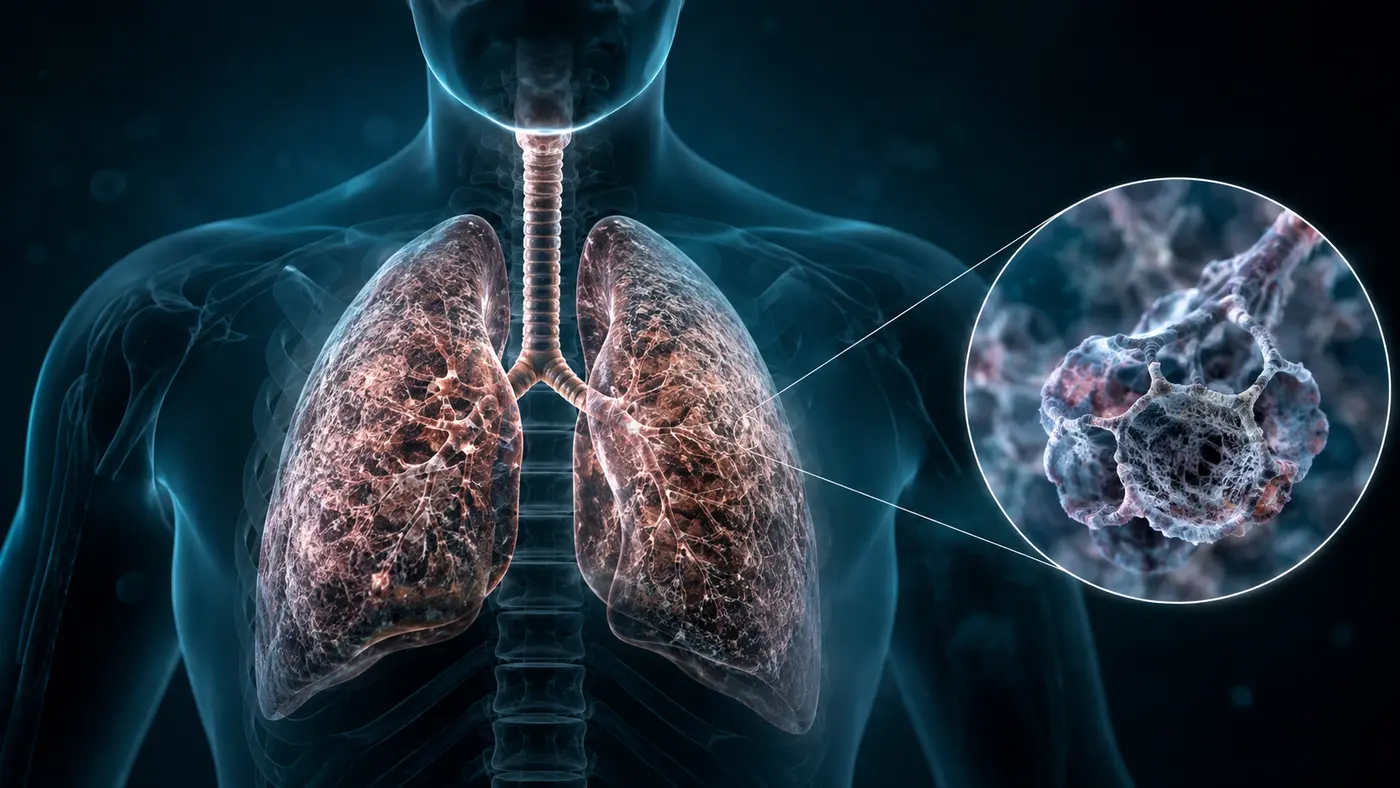
ডিপিএলডি (DPLD)
ডিপিএলডি (Diffuse Parenchymal Lung Disease — DPLD) বলতে এমন এক ধরনের ফুসফুসের রোগসমষ্টিকে বোঝায়, যেখানে ফুসফুসের গভীর অংশ বা Lung Parenchyma-তে প্রদাহ, ক্ষত বা Fibrosis-এর মতো পরিবর্তন হতে পারে। এর ফলে ফুসফুস স্বাভাবিকভাবে প্রসারিত হতে এবং রক্তে অক্সিজেন পৌঁছাতে সমস্যা হতে পারে।
DPLD একটি নির্দিষ্ট রোগের নাম নয়; এর মধ্যে বিভিন্ন ধরনের Interstitial Lung Disease (ILD) ও অন্যান্য diffuse lung conditions অন্তর্ভুক্ত হতে পারে। রোগের ধরন ও কারণ অনুযায়ী এর গতিপ্রকৃতি ভিন্ন হতে পারে।
সাধারণ লক্ষণ
DPLD-এর লক্ষণ ধীরে ধীরে বাড়তে পারে। সাধারণভাবে দেখা যেতে পারে—
ধীরে ধীরে বাড়তে থাকা শ্বাসকষ্ট
হাঁটা বা পরিশ্রমের সময় শ্বাসকষ্ট
দীর্ঘস্থায়ী শুকনো কাশি
সহজে ক্লান্ত হয়ে যাওয়া
শারীরিক সক্ষমতা কমে যাওয়া
বুকের অস্বস্তি
রক্তে অক্সিজেনের মাত্রা কমে যাওয়া
রোগের অগ্রসর অবস্থায় বিশ্রামেও শ্বাসকষ্ট
কী কী কারণে DPLD হতে পারে?
DPLD-এর অনেক ধরনের কারণ থাকতে পারে। যেমন—
কিছু Autoimmune বা Connective Tissue Disease
দীর্ঘদিন ধুলা, ধোঁয়া বা নির্দিষ্ট পেশাগত পরিবেশে থাকা
কিছু ওষুধের পার্শ্বপ্রতিক্রিয়া
কিছু সংক্রমণ বা অন্যান্য ফুসফুসের রোগ
কিছু ক্ষেত্রে পরিবেশগত বা অ্যালার্জিজনিত কারণ
কিছু ক্ষেত্রে বংশগত কারণ
* অনেক রোগীর ক্ষেত্রে নির্দিষ্ট কারণ শনাক্ত করা সম্ভব হয় না
কোন ধরনের DPLD হয়েছে তা বোঝার জন্য রোগীর উপসর্গ, পেশাগত ও পরিবেশগত ইতিহাস এবং প্রয়োজনীয় পরীক্ষাগুলো একসঙ্গে মূল্যায়ন করা হয়।
কখন ডাক্তার দেখানো উচিত?
দীর্ঘদিন ধরে শুকনো কাশি, ধীরে ধীরে বাড়তে থাকা শ্বাসকষ্ট বা আগের তুলনায় হাঁটা-চলার সক্ষমতা কমে গেলে চিকিৎসকের পরামর্শ নেওয়া উচিত।
বিশেষ করে Autoimmune Disease, দীর্ঘদিনের ধুলা/রাসায়নিক exposure, নির্দিষ্ট ওষুধ সেবনের ইতিহাস বা পরিবারে Interstitial Lung Disease-এর ইতিহাস থাকলে বিষয়টি গুরুত্ব দিয়ে মূল্যায়ন করা প্রয়োজন।
কীভাবে Diagnosis করা হয়?
DPLD নির্ণয়ের জন্য রোগীর ইতিহাস, শারীরিক পরীক্ষা এবং ফুসফুসের গঠন ও কার্যকারিতা—দুই দিকই মূল্যায়ন করা হয়।
প্রয়োজনে করা হতে পারে—
বিস্তারিত Medical History ও শারীরিক পরীক্ষা
Oxygen Saturation
Pulmonary Function Test বা Lung Function Test
Chest X-ray
High-Resolution CT (HRCT) of the Chest
Blood tests
Autoimmune বা Connective Tissue Disease-এর পরীক্ষা
প্রয়োজন অনুযায়ী Bronchoscopy ও Bronchoalveolar Lavage
নির্বাচিত ক্ষেত্রে Lung Tissue Biopsy
Exercise বা হাঁটার সময় Oxygen Level পর্যবেক্ষণ
চিকিৎসা সম্পর্কে সাধারণ তথ্য
DPLD-এর চিকিৎসা সম্পূর্ণভাবে এর ধরন, কারণ, রোগের মাত্রা এবং ফুসফুসের কার্যকারিতার ওপর নির্ভর করে। সব রোগীর জন্য একই চিকিৎসা প্রয়োজন হয় না।
কারণ ও রোগের ধরন অনুযায়ী চিকিৎসায় থাকতে পারে—
মূল রোগ বা কারণের চিকিৎসা
প্রয়োজন অনুযায়ী Anti-inflammatory বা Immunosuppressive Treatment
নির্দিষ্ট Fibrotic Lung Disease-এ উপযুক্ত Antifibrotic Therapy
প্রয়োজন অনুযায়ী Oxygen Therapy
Pulmonary Rehabilitation
শারীরিক সক্ষমতা ও Lung Function নিয়মিত পর্যবেক্ষণ
ধূমপান ও ক্ষতিকর ধুলা/ধোঁয়া এড়িয়ে চলা
প্রয়োজন অনুযায়ী অন্যান্য Specialist-এর সমন্বিত চিকিৎসা
নিজে থেকে Steroid, Immunosuppressive বা অন্য কোনো ফুসফুসের ওষুধ শুরু বা বন্ধ করা উচিত নয়।
কখন জরুরি চিকিৎসা প্রয়োজন?
নিচের কোনো লক্ষণ দেখা দিলে দ্রুত জরুরি চিকিৎসা নেওয়া প্রয়োজন—
হঠাৎ বা দ্রুত বেড়ে যাওয়া শ্বাসকষ্ট
বিশ্রামেও তীব্র শ্বাসকষ্ট
ঠোঁট বা মুখ নীলচে হয়ে যাওয়া
তীব্র বুকের ব্যথা
অজ্ঞান হয়ে যাওয়া বা প্রচণ্ড মাথা ঘোরা
বিভ্রান্তি বা অতিরিক্ত দুর্বলতা
কাশিতে উল্লেখযোগ্য পরিমাণ রক্ত আসা
দ্রুত শারীরিক অবস্থার অবনতি
Frequently Asked Questions
DPLD কি একটি নির্দিষ্ট রোগ?
না। DPLD একটি বিস্তৃত Disease Group-এর নাম। এর মধ্যে বিভিন্ন ধরনের Interstitial Lung Disease ও অন্যান্য diffuse lung conditions থাকতে পারে।
DPLD কি সম্পূর্ণ ভালো হয়ে যায়?
এটি রোগের ধরন ও কারণের ওপর নির্ভর করে। কিছু ক্ষেত্রে কারণের চিকিৎসায় উন্নতি হতে পারে, আবার কিছু ধরনের রোগ দীর্ঘমেয়াদি হতে পারে এবং নিয়মিত চিকিৎসা ও Follow-up প্রয়োজন হয়।
DPLD কি Fibrosis-এর সঙ্গে সম্পর্কিত?
কিছু ধরনের DPLD-তে দীর্ঘস্থায়ী প্রদাহের পর ফুসফুসের টিস্যুতে Fibrosis বা Scarring হতে পারে। তবে সব DPLD একই ধরনের Fibrotic Disease নয়।
HRCT কেন করা হয়?
HRCT ফুসফুসের সূক্ষ্ম গঠন ও পরিবর্তন বিস্তারিতভাবে দেখাতে পারে। DPLD-এর ধরন ও বিস্তার বোঝার ক্ষেত্রে এটি গুরুত্বপূর্ণ পরীক্ষা।
DPLD রোগীর কি Oxygen লাগবেই?
না। সবার Oxygen Therapy প্রয়োজন হয় না। রক্তে Oxygen Level, রোগের মাত্রা এবং রোগীর উপসর্গ অনুযায়ী চিকিৎসক সিদ্ধান্ত নেন।
Related Conditions & Services
Interstitial Lung Disease (ILD)
Pulmonary Fibrosis
Chronic Cough
Breathlessness
Pulmonary Hypertension
COPD
Bronchoscopy
Pulmonary Function Testing
Oxygen Therapy
Occupational & Environmental Lung Disease
Doctor Consultation
দীর্ঘদিনের শুকনো কাশি বা ধীরে ধীরে বাড়তে থাকা শ্বাসকষ্টকে সবসময় সাধারণ Asthma বা Bronchitis ধরে নেওয়া উচিত নয়। কিছু ক্ষেত্রে DPLD বা Interstitial Lung Disease-এর মতো অবস্থাও এর পেছনে থাকতে পারে।
উপসর্গ, রোগের ইতিহাস, Oxygen Level, Lung Function এবং প্রয়োজনীয় Chest Imaging একসঙ্গে মূল্যায়ন করে রোগের ধরন ও সম্ভাব্য কারণ নির্ণয়ের চেষ্টা করা হয় এবং সেই অনুযায়ী চিকিৎসার পরিকল্পনা করা হয়।
Diffuse Parenchymal Lung Disease (DPLD)
Diffuse Parenchymal Lung Disease (DPLD) refers to a group of lung conditions that affect the deeper tissues of the lungs, or lung parenchyma. These conditions may cause inflammation, tissue injury or fibrosis, which can affect the lungs' ability to expand normally and transfer oxygen into the blood.
DPLD is not a single disease. It includes various forms of Interstitial Lung Disease (ILD) and other diffuse lung conditions. The course and severity can vary considerably depending on the specific type and underlying cause.
Common Symptoms
Symptoms may develop gradually and can include—
Progressive breathlessness
Shortness of breath during physical activity
Persistent dry cough
Easy fatigue
Reduced exercise tolerance
Chest discomfort
Low oxygen levels
Breathlessness at rest in more advanced disease
What Can Cause DPLD?
DPLD can have many different causes, including—
Autoimmune or Connective Tissue Diseases
Long-term exposure to dust, smoke or certain occupational environments
Certain medications
Some infections or other lung conditions
Environmental or hypersensitivity-related causes
Genetic or familial factors in some cases
* An unknown or unidentified cause in some patients
Determining the specific type of DPLD requires assessment of symptoms, occupational and environmental exposure history and appropriate investigations.
When Should You See a Doctor?
Medical evaluation is recommended if you have a persistent dry cough, gradually worsening breathlessness or a noticeable reduction in your ability to walk or perform normal activities.
Further assessment is particularly important if you have an Autoimmune Disease, significant dust or chemical exposure, a history of medications that can affect the lungs, or a family history of Interstitial Lung Disease.
How Is It Diagnosed?
Diagnosis involves assessing both the patient's clinical history and the structure and function of the lungs.
Depending on the situation, investigations may include—
Detailed Medical History and physical examination
Oxygen Saturation
Pulmonary Function Tests
Chest X-ray
High-Resolution CT (HRCT) of the Chest
Blood tests
Autoimmune or Connective Tissue Disease testing
Bronchoscopy and Bronchoalveolar Lavage when appropriate
Lung Tissue Biopsy in selected cases
Assessment of Oxygen Levels during walking or exercise
General Information About Treatment
Treatment depends on the specific type and cause of DPLD, disease severity and the degree of impairment in lung function. Not every patient requires the same treatment.
Depending on the condition, management may include—
Treatment of the underlying disease or cause
Anti-inflammatory or Immunosuppressive Treatment when appropriate
Antifibrotic Therapy for selected Fibrotic Lung Diseases
Oxygen Therapy when indicated
Pulmonary Rehabilitation
Regular monitoring of Lung Function and exercise capacity
Avoidance of smoking and harmful dust or fumes
Coordinated care with other Specialists when necessary
Steroids, Immunosuppressive medicines or other lung medications should not be started or stopped without medical advice.
When Is Urgent Medical Care Needed?
Seek urgent medical attention if you develop—
Sudden or rapidly worsening breathlessness
Severe breathlessness even at rest
Blue lips or face
Severe chest pain
Fainting or severe dizziness
Confusion or marked weakness
Significant bleeding when coughing
Rapid deterioration of your condition
Frequently Asked Questions
Is DPLD a single disease?
No. DPLD is a broad group of lung conditions that includes various forms of Interstitial Lung Disease and other diffuse lung disorders.
Can DPLD be completely cured?
This depends on the specific type and underlying cause. Some conditions may improve when the underlying cause is treated, while others may be chronic and require long-term treatment and monitoring.
Is DPLD related to Fibrosis?
Some forms of DPLD can cause inflammation and, over time, fibrosis or scarring of lung tissue. However, not every DPLD is the same type of Fibrotic Lung Disease.
Why is HRCT performed?
HRCT provides detailed images of the lung structure and can help identify the pattern and extent of changes associated with DPLD.
Does every patient with DPLD need Oxygen Therapy?
No. Oxygen Therapy is not required for every patient. The decision depends on Oxygen Levels, disease severity and the patient's symptoms.
Related Conditions & Services
Interstitial Lung Disease (ILD)
Pulmonary Fibrosis
Chronic Cough
Breathlessness
Pulmonary Hypertension
COPD
Bronchoscopy
Pulmonary Function Testing
Oxygen Therapy
Occupational & Environmental Lung Disease
Doctor Consultation
Persistent dry cough or gradually worsening breathlessness should not always be assumed to be simple Asthma or Bronchitis. In some patients, conditions such as DPLD or Interstitial Lung Disease may need to be considered.
A combination of clinical history, symptoms, Oxygen Levels, Lung Function Testing and appropriate Chest Imaging can help assess the type and possible cause of the condition and guide an appropriate treatment plan.