শ্বাসনালী সংকুচিত হওয়াAirway Narrowing
শ্বাসনালীর সংকোচন নির্ণয় ও ইন্টারভেনশনাল চিকিৎসাAssessment and interventional treatment of a narrowed airway
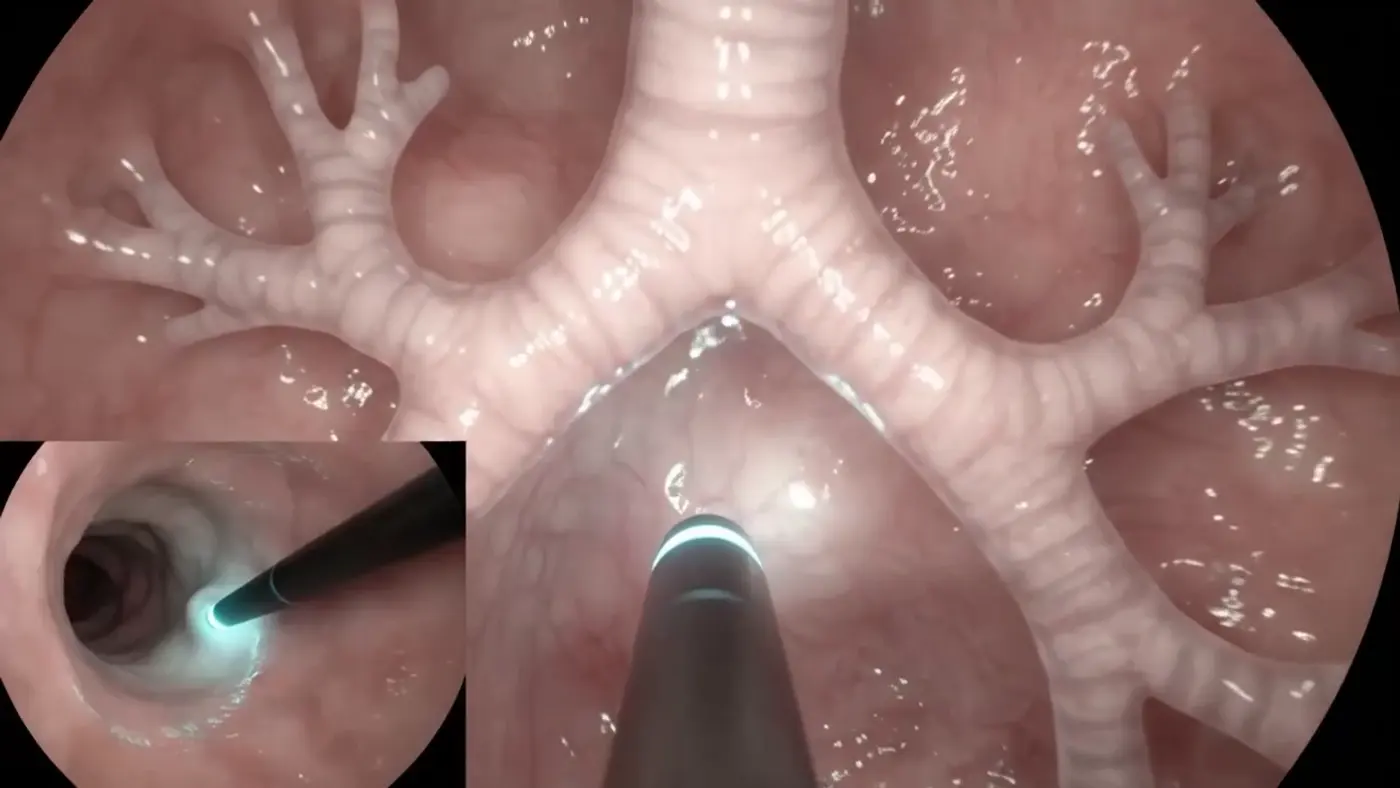
শ্বাসনালী সংকুচিত হওয়া
শ্বাসনালী সংকুচিত হওয়া বা Airway Narrowing বলতে ফুসফুসে বাতাস যাতায়াতের পথ সরু হয়ে যাওয়াকে বোঝায়। এর ফলে বাতাস স্বাভাবিকভাবে ফুসফুসে প্রবেশ বা বের হতে বাধাগ্রস্ত হতে পারে এবং শ্বাস নিতে কষ্ট, কাশি বা শ্বাসের সময় সাঁই সাঁই শব্দ হতে পারে।
শ্বাসনালী সংকুচিত হওয়ার কারণ একেকজনের ক্ষেত্রে ভিন্ন হতে পারে। এটি সাময়িকভাবে হতে পারে, আবার দীর্ঘস্থায়ীও হতে পারে। কারণ নির্ণয় করে উপযুক্ত চিকিৎসা করা গুরুত্বপূর্ণ।
সাধারণ লক্ষণ
শ্বাসনালী সংকুচিত হলে দেখা যেতে পারে—
শ্বাস নিতে কষ্ট হওয়া
শ্বাস ছাড়ার সময় সাঁই সাঁই শব্দ (Wheezing)
দীর্ঘস্থায়ী বা বারবার কাশি
বুকে চাপ বা টান অনুভব হওয়া
হাঁটা বা সিঁড়ি ওঠার সময় দ্রুত শ্বাসকষ্ট হওয়া
শারীরিক পরিশ্রমের পর অতিরিক্ত হাঁপিয়ে যাওয়া
রাতে বা ভোরে শ্বাসকষ্ট ও কাশি বেড়ে যাওয়া
ঠান্ডা বাতাস, ধুলা, ধোঁয়া বা নির্দিষ্ট Trigger-এ সমস্যা বাড়া
কী কী কারণে শ্বাসনালী সংকুচিত হতে পারে?
বিভিন্ন কারণে শ্বাসনালী সরু হতে পারে। যেমন—
Asthma
COPD
Chronic Bronchitis
শ্বাসনালীর প্রদাহ বা Infection
অতিরিক্ত Mucus জমা হওয়া
ধূমপান ও দীর্ঘদিনের Tobacco Exposure
ধুলা, ধোঁয়া ও বায়ুদূষণ
শ্বাসনালীর ভেতরে কোনো Structural Abnormality
কোনো Mass বা অন্য কারণে Airway Obstruction
কিছু ক্ষেত্রে শ্বাসনালীর বাইরে থেকে চাপ পড়া
কারণ অনুযায়ী শ্বাসনালীর সংকোচন সাময়িক, পরিবর্তনশীল বা দীর্ঘস্থায়ী হতে পারে।
কখন ডাক্তার দেখানো উচিত?
বারবার শ্বাসকষ্ট, Wheezing, দীর্ঘস্থায়ী কাশি বা বুকে চাপ অনুভূত হলে চিকিৎসকের পরামর্শ নেওয়া উচিত।
বিশেষভাবে মূল্যায়ন প্রয়োজন হতে পারে যদি—
অল্প পরিশ্রমেই শ্বাসকষ্ট হয়
রাতে বা ভোরে বারবার শ্বাসকষ্ট হয়
Inhaler ব্যবহার করেও উপসর্গ ঠিকমতো নিয়ন্ত্রণে না থাকে
ধূমপানের দীর্ঘ ইতিহাস থাকে
বারবার Bronchitis বা Lung Infection হয়
হঠাৎ আগের তুলনায় শ্বাসকষ্ট বেড়ে যায়
কীভাবে Diagnosis করা হয়?
শ্বাসনালী সংকুচিত হওয়ার কারণ ও মাত্রা বোঝার জন্য রোগের ইতিহাস, শারীরিক পরীক্ষা এবং প্রয়োজনীয় Lung Function Test করা হয়।
প্রয়োজনে করা হতে পারে—
বিস্তারিত Medical History ও শারীরিক পরীক্ষা
Oxygen Saturation পরীক্ষা
Spirometry
Bronchodilator Response Test
Peak Flow Measurement
Chest X-ray
CT Scan of Chest
Bronchoscopy
* প্রয়োজন অনুযায়ী Allergy বা অন্যান্য Diagnostic Tests
কোন পরীক্ষা প্রয়োজন হবে তা উপসর্গ, বয়স, রোগের ইতিহাস এবং সম্ভাব্য কারণের ওপর নির্ভর করে।
চিকিৎসা সম্পর্কে সাধারণ তথ্য
চিকিৎসা সম্পূর্ণভাবে শ্বাসনালী সংকুচিত হওয়ার কারণের ওপর নির্ভর করে।
প্রয়োজন অনুযায়ী চিকিৎসায় থাকতে পারে—
Asthma বা COPD-এর উপযুক্ত Inhaler ও অন্যান্য চিকিৎসা
Bronchodilator
শ্বাসনালীর প্রদাহ নিয়ন্ত্রণের চিকিৎসা
Respiratory Infection-এর উপযুক্ত চিকিৎসা
ধূমপান সম্পূর্ণ বন্ধ করা
ধুলা, ধোঁয়া ও অন্যান্য Trigger এড়িয়ে চলা
অতিরিক্ত Mucus বা Airway Secretion নিয়ন্ত্রণের ব্যবস্থা
Structural Airway Obstruction থাকলে প্রয়োজন অনুযায়ী Bronchoscopy বা অন্যান্য Intervention
* নিয়মিত Lung Function ও চিকিৎসার Response পর্যবেক্ষণ
নিজে থেকে Inhaler, Steroid বা অন্য কোনো শ্বাসের ওষুধ শুরু বা বন্ধ করা উচিত নয়।
কখন জরুরি চিকিৎসা প্রয়োজন?
নিচের কোনো লক্ষণ থাকলে দ্রুত জরুরি চিকিৎসা নেওয়া প্রয়োজন—
হঠাৎ তীব্র শ্বাসকষ্ট
কথা বলতে কষ্ট হওয়া
ঠোঁট বা মুখ নীলচে হয়ে যাওয়া
Inhaler বা নির্ধারিত Reliever ব্যবহার করেও শ্বাসকষ্ট না কমা
বুকের তীব্র ব্যথা
মাথা ঘোরা, অজ্ঞান হয়ে যাওয়া বা চেতনা কমে যাওয়া
* দ্রুত শারীরিক অবস্থার অবনতি
Frequently Asked Questions
শ্বাসনালী সংকুচিত হওয়া কি শুধু Asthma-এর কারণে হয়?
না। Asthma ছাড়াও COPD, Chronic Bronchitis, Infection, অতিরিক্ত Mucus, Structural Abnormality বা Airway Obstruction-এর মতো বিভিন্ন কারণে শ্বাসনালী সংকুচিত হতে পারে।
শ্বাসনালী সংকুচিত হলে কি সবসময় Wheezing হয়?
না। Wheezing একটি সাধারণ লক্ষণ হলেও সব রোগীর ক্ষেত্রে এটি নাও থাকতে পারে।
শ্বাসনালী কি আবার স্বাভাবিকভাবে খুলতে পারে?
কারণের ওপর নির্ভর করে। Asthma-এর মতো কিছু অবস্থায় সংকোচন পরিবর্তনশীল হতে পারে এবং চিকিৎসায় উন্নতি হতে পারে। অন্যদিকে দীর্ঘস্থায়ী বা Structural সমস্যায় আলাদা চিকিৎসার প্রয়োজন হতে পারে।
ধূমপান কি শ্বাসনালী সংকুচিত করতে পারে?
হ্যাঁ। ধূমপান শ্বাসনালীর প্রদাহ ও ক্ষতি বাড়াতে পারে এবং দীর্ঘমেয়াদে Airway Obstruction ও COPD-এর ঝুঁকি বাড়ায়।
শ্বাসনালী সংকুচিত হওয়ার জন্য কি Bronchoscopy প্রয়োজন হয়?
সবার প্রয়োজন হয় না। Airway-এর ভেতরে কোনো Structural Abnormality বা Obstruction সন্দেহ হলে এবং নির্দিষ্ট ক্ষেত্রে কারণ নির্ণয় বা চিকিৎসার জন্য Bronchoscopy করা হতে পারে।
Related Conditions & Services
Asthma & Allergy
COPD
Chronic Bronchitis
Chronic Cough
Breathlessness
Smoking-related Damage
Lung Infection
Bronchoscopy
* Other Airway Diseases
Doctor Consultation
বারবার শ্বাসকষ্ট, Wheezing, কাশি বা বুকে চাপের মতো উপসর্গ থাকলে এর পেছনে Asthma, COPD বা অন্য কোনো Airway Problem আছে কি না তা মূল্যায়ন করা গুরুত্বপূর্ণ।
রোগের ইতিহাস, শারীরিক পরীক্ষা এবং প্রয়োজনীয় Lung Function ও Imaging-এর মাধ্যমে শ্বাসনালীর সংকোচনের সম্ভাব্য কারণ ও মাত্রা নির্ণয় করে উপযুক্ত চিকিৎসার পরিকল্পনা করা হয়।
Airway Narrowing
Airway Narrowing, also known as Airway Obstruction in some conditions, refers to a reduction in the diameter of the airways through which air moves into and out of the lungs. This can make breathing more difficult and may cause cough or Wheezing.
Airway narrowing can be temporary or persistent, depending on the underlying cause. Identifying the cause is important for appropriate treatment.
Common Symptoms
Airway narrowing may cause—
Breathlessness
Wheezing, particularly when breathing out
Persistent or recurrent cough
Chest tightness
Breathlessness while walking or climbing stairs
Excessive breathlessness during physical activity
Increased symptoms at night or early morning
Symptoms triggered by cold air, dust, smoke or other Triggers
What Can Cause Airway Narrowing?
Possible causes include—
Asthma
COPD
Chronic Bronchitis
Airway inflammation or Infection
Excessive mucus production
Smoking and long-term Tobacco Exposure
Dust, smoke and air pollution
Structural abnormalities of the airways
Masses or other causes of Airway Obstruction
Compression of the airways from surrounding structures in some cases
Depending on the cause, airway narrowing may be temporary, variable or persistent.
When Should You See a Doctor?
Medical evaluation is advisable if you have recurrent breathlessness, Wheezing, persistent cough or chest tightness.
Further assessment may be needed if—
You become breathless with mild physical activity
Symptoms repeatedly occur at night or early morning
Symptoms remain poorly controlled despite using an Inhaler
You have a long history of smoking
You develop recurrent Bronchitis or Lung Infections
Your breathing suddenly becomes worse than usual
How Is It Diagnosed?
Evaluation involves understanding the symptoms, medical history and physical findings, along with appropriate Lung Function Testing when indicated.
Depending on the situation, investigations may include—
Detailed Medical History and physical examination
Oxygen Saturation measurement
Spirometry
Bronchodilator Response Testing
Peak Flow Measurement
Chest X-ray
CT Scan of the Chest
Bronchoscopy
* Allergy Testing or other Diagnostic Investigations when appropriate
The choice of tests depends on the symptoms, age, medical history and suspected cause.
General Information About Treatment
Treatment depends entirely on the underlying cause of the Airway Narrowing.
Depending on the clinical situation, treatment may include—
Appropriate Inhalers and other treatment for Asthma or COPD
Bronchodilators
Treatment to control airway inflammation
Appropriate treatment for Respiratory Infection
Complete smoking cessation
Avoiding dust, smoke and other Triggers
Measures to manage excessive mucus or Airway Secretions
Bronchoscopy or other Interventions when Structural Airway Obstruction is identified or suspected
* Monitoring Lung Function and response to treatment
Do not start or stop Inhalers, Steroids or other respiratory medicines without medical advice.
When Is Urgent Medical Care Needed?
Seek urgent medical attention if you develop—
Sudden severe breathlessness
Difficulty speaking because of breathing problems
Blue lips or face
Breathlessness that does not improve after using your prescribed Reliever
Severe chest pain
Dizziness, fainting or reduced consciousness
* Rapid deterioration of your condition
Frequently Asked Questions
Is Airway Narrowing caused only by Asthma?
No. Asthma is one cause, but COPD, Chronic Bronchitis, Infection, excessive mucus, Structural Abnormalities and other forms of Airway Obstruction can also cause narrowing.
Does everyone with Airway Narrowing have Wheezing?
No. Wheezing is a common symptom, but it may not occur in every patient.
Can narrowed airways become normal again?
It depends on the cause. Some conditions, such as Asthma, can cause variable airway narrowing that may improve with treatment. Persistent or Structural problems may require a different approach.
Can smoking cause Airway Narrowing?
Yes. Smoking can increase airway inflammation and damage and can contribute to long-term Airway Obstruction and COPD.
Does Airway Narrowing always require Bronchoscopy?
No. Bronchoscopy is not required for everyone. It may be considered when a Structural Abnormality or Airway Obstruction is suspected or when direct evaluation or intervention is needed.
Related Conditions & Services
Asthma & Allergy
COPD
Chronic Bronchitis
Chronic Cough
Breathlessness
Smoking-related Damage
Lung Infection
Bronchoscopy
* Other Airway Diseases
Doctor Consultation
Recurrent breathlessness, Wheezing, cough or chest tightness may be related to Asthma, COPD or another Airway Problem and should be appropriately evaluated.
Medical history, physical examination and relevant Lung Function Testing and Imaging can help identify the possible cause and severity of Airway Narrowing and guide an appropriate treatment plan.