যক্ষ্মা বা টিবিTuberculosis
দীর্ঘস্থায়ী কাশি ও ওজন কমাসহ ফুসফুসের যক্ষ্মাPulmonary TB with long standing cough and weight loss
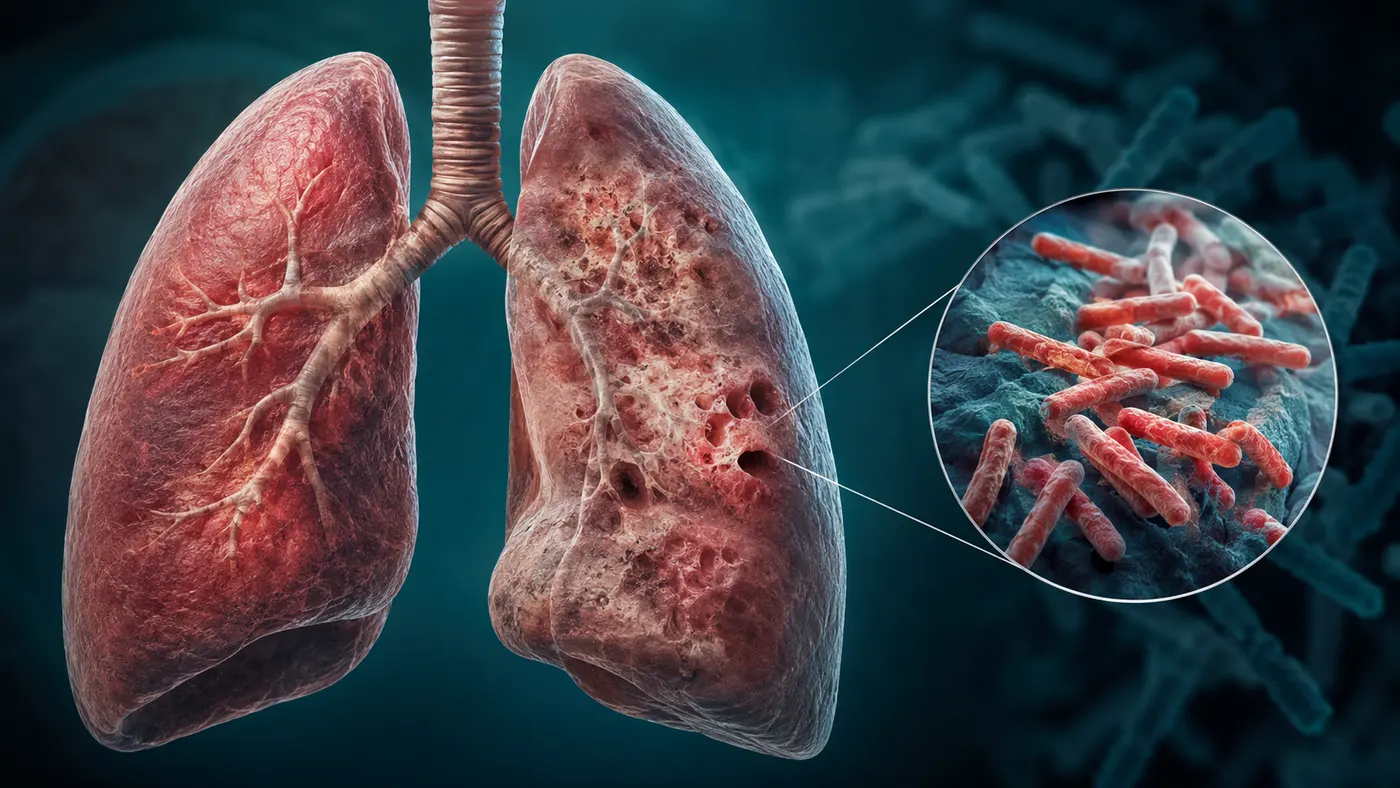
যক্ষ্মা
যক্ষ্মা বা Tuberculosis (TB) একটি সংক্রামক রোগ, যা Mycobacterium tuberculosis নামের ব্যাকটেরিয়ার কারণে হয়। এটি সবচেয়ে বেশি ফুসফুসকে আক্রান্ত করে, তবে শরীরের অন্য অঙ্গেও যক্ষ্মা হতে পারে।
ফুসফুসের যক্ষ্মা সাধারণত আক্রান্ত ব্যক্তির কাশি, হাঁচি বা কথা বলার সময় বাতাসের মাধ্যমে ছড়াতে পারে। তবে সবার ক্ষেত্রে একই ধরনের লক্ষণ দেখা যায় না এবং শুধু কাশি হলেই যক্ষ্মা হয়েছে—এমনটা ধরে নেওয়া ঠিক নয়।
সাধারণ লক্ষণ
ফুসফুসের যক্ষ্মার ক্ষেত্রে সাধারণত যে লক্ষণগুলো দেখা যেতে পারে—
২–৩ সপ্তাহের বেশি সময় ধরে কাশি থাকা
কফসহ বা কখনো শুকনো কাশি
কফের সঙ্গে রক্ত আসা
বুকে ব্যথা বা অস্বস্তি
জ্বর, বিশেষ করে দীর্ঘদিন ধরে হালকা জ্বর
রাতে অতিরিক্ত ঘাম হওয়া
ক্ষুধা কমে যাওয়া
অকারণে ওজন কমে যাওয়া
* দুর্বলতা ও সহজে ক্লান্ত হয়ে পড়া
কিছু রোগীর ক্ষেত্রে লক্ষণগুলো ধীরে ধীরে শুরু হয়। তাই দীর্ঘদিনের কাশি বা অন্য উপসর্গকে শুধু সাধারণ ঠান্ডা-কাশি ভেবে ফেলে রাখা উচিত নয়।
কী কী কারণে বা Risk Factor-এ ঝুঁকি বাড়তে পারে?
যক্ষ্মার জীবাণুর সংস্পর্শে এলেই সবার সক্রিয় যক্ষ্মা হয় না। শরীরের রোগ প্রতিরোধ ক্ষমতা, দীর্ঘদিনের অসুস্থতা এবং কিছু বিশেষ পরিস্থিতিতে সক্রিয় যক্ষ্মার ঝুঁকি বাড়তে পারে।
যক্ষ্মা আক্রান্ত ব্যক্তির কাছাকাছি বা দীর্ঘসময় থাকা
ঘনবসতিপূর্ণ বা অপর্যাপ্ত বায়ু চলাচলযুক্ত পরিবেশ
অপুষ্টি
ডায়াবেটিস
রোগ প্রতিরোধ ক্ষমতা কমে যাওয়া
দীর্ঘদিন কিছু নির্দিষ্ট ধরনের ওষুধ ব্যবহার
ধূমপান ও তামাকজাত দ্রব্যের ব্যবহার
পূর্বে যক্ষ্মার সংক্রমণ থাকা
কখন ডাক্তার দেখানো উচিত?
২–৩ সপ্তাহের বেশি সময় ধরে কাশি থাকলে, বিশেষ করে কফ, জ্বর, রাতের ঘাম, ওজন কমে যাওয়া বা দুর্বলতার মতো উপসর্গ থাকলে চিকিৎসকের পরামর্শ নেওয়া উচিত।
যক্ষ্মা সন্দেহ হলে নিজের থেকে অ্যান্টিবায়োটিক বা অন্য কোনো ওষুধ শুরু না করে সঠিক পরীক্ষা-নিরীক্ষার মাধ্যমে কারণ নির্ণয় করা গুরুত্বপূর্ণ।
কীভাবে Diagnosis করা হয়?
যক্ষ্মা নির্ণয়ের জন্য রোগীর উপসর্গ, শারীরিক পরীক্ষা এবং প্রয়োজন অনুযায়ী বিভিন্ন পরীক্ষা করা হয়।
বুকের X-ray
কফের পরীক্ষা
দ্রুত TB শনাক্ত করার Molecular test, যেমন GeneXpert/NAAT
প্রয়োজন অনুযায়ী রক্ত পরীক্ষা
* ফুসফুসের বাইরে যক্ষ্মার সন্দেহ থাকলে সংশ্লিষ্ট অঙ্গের বিশেষ পরীক্ষা
সব রোগীর জন্য একই পরীক্ষা প্রয়োজন হয় না। রোগীর বয়স, উপসর্গ, পূর্বের ইতিহাস এবং পরীক্ষার ফলাফল বিবেচনা করে চিকিৎসক পরবর্তী পরীক্ষা নির্ধারণ করেন।
চিকিৎসা সম্পর্কে সাধারণ তথ্য
যক্ষ্মা চিকিৎসাযোগ্য এবং নিরাময়যোগ্য একটি রোগ, তবে চিকিৎসা নিয়ম মেনে এবং নির্ধারিত সময় পর্যন্ত চালিয়ে যাওয়া অত্যন্ত গুরুত্বপূর্ণ।
যক্ষ্মার চিকিৎসায় সাধারণত একাধিক Anti-TB ওষুধ নির্দিষ্ট নিয়ম ও সময় অনুযায়ী ব্যবহার করা হয়। কোন ওষুধ কতদিন এবং কীভাবে নিতে হবে, তা রোগের ধরন ও রোগীর অবস্থার ওপর নির্ভর করে।
চিকিৎসার মাঝপথে নিজের ইচ্ছায় ওষুধ বন্ধ করা, ডোজ পরিবর্তন করা বা নিয়মিত ওষুধ না খেলে চিকিৎসা ব্যর্থ হওয়ার পাশাপাশি Drug-resistant TB-এর ঝুঁকি তৈরি হতে পারে।
তাই চিকিৎসার সময় নিয়মিত follow-up এবং চিকিৎসকের নির্দেশনা মেনে চলা গুরুত্বপূর্ণ।
কখন জরুরি চিকিৎসা প্রয়োজন?
নিচের কোনো লক্ষণ দেখা দিলে দ্রুত চিকিৎসা নেওয়া প্রয়োজন—
প্রচুর পরিমাণে কফের সঙ্গে রক্ত আসা
তীব্র শ্বাসকষ্ট
তীব্র বা বাড়তে থাকা বুকে ব্যথা
অজ্ঞান হয়ে যাওয়া বা খুব বেশি দুর্বল হয়ে পড়া
* হঠাৎ অবস্থার দ্রুত অবনতি হওয়া
Frequently Asked Questions
দীর্ঘদিন কাশি হলেই কি যক্ষ্মা?
না। দীর্ঘদিনের কাশির অনেক কারণ থাকতে পারে—যেমন অ্যাজমা, COPD, অ্যালার্জি, দীর্ঘস্থায়ী সংক্রমণ, নাকের সমস্যা বা Acid Reflux। তবে দীর্ঘদিনের কাশি থাকলে যক্ষ্মাসহ অন্যান্য কারণও বিবেচনা করে সঠিকভাবে পরীক্ষা করা প্রয়োজন।
যক্ষ্মা কি ছোঁয়াচে?
ফুসফুস বা শ্বাসনালীর সক্রিয় যক্ষ্মা বাতাসের মাধ্যমে অন্য মানুষের মধ্যে ছড়াতে পারে। তাই রোগ নির্ণয়ের পর চিকিৎসকের পরামর্শ অনুযায়ী সংক্রমণ নিয়ন্ত্রণের ব্যবস্থা নেওয়া গুরুত্বপূর্ণ।
যক্ষ্মা কি পুরোপুরি ভালো হয়?
হ্যাঁ, সঠিক রোগ নির্ণয় এবং নির্ধারিত Anti-TB চিকিৎসা নিয়ম মেনে সম্পন্ন করলে যক্ষ্মা সাধারণত নিরাময়যোগ্য।
চিকিৎসা শুরু করার পর কি ওষুধ বন্ধ করা যায়?
না। উপসর্গ কমে গেলেও চিকিৎসকের পরামর্শ ছাড়া ওষুধ বন্ধ করা উচিত নয়। সম্পূর্ণ চিকিৎসা শেষ করা অত্যন্ত গুরুত্বপূর্ণ।
শুধু বুকের X-ray করলেই কি যক্ষ্মা নিশ্চিত হওয়া যায়?
সবসময় নয়। X-ray যক্ষ্মার সন্দেহ তৈরি করতে পারে, কিন্তু রোগীর পরিস্থিতি অনুযায়ী কফের পরীক্ষা বা Molecular test-এর মতো অন্যান্য পরীক্ষা প্রয়োজন হতে পারে।
Related Conditions & Services
দীর্ঘস্থায়ী কাশি
শ্বাসকষ্ট
নিউমোনিয়া ও অন্যান্য ফুসফুসের সংক্রমণ
ব্রঙ্কাইটিস
ব্রঙ্কিয়েকটেসিস
অ্যাজমা ও অ্যালার্জি
COPD
ফুসফুসের অন্যান্য রোগ
Doctor Consultation
দীর্ঘদিনের কাশি, জ্বর, ওজন কমে যাওয়া, রাতের ঘাম বা কফের সঙ্গে রক্ত আসার মতো উপসর্গ থাকলে দেরি না করে একজন বক্ষব্যাধি ও শ্বাসতন্ত্রের রোগ বিশেষজ্ঞের পরামর্শ নিন।
সঠিক সময়ে রোগ শনাক্ত করা এবং প্রয়োজনীয় চিকিৎসা শুরু করা রোগীর সুস্থতা ও সংক্রমণ নিয়ন্ত্রণ—দুই ক্ষেত্রেই গুরুত্বপূর্ণ।
Tuberculosis (TB)
Tuberculosis, commonly known as TB, is an infectious disease caused by a bacterium called Mycobacterium tuberculosis. It most commonly affects the lungs, although TB can also affect other parts of the body.
Pulmonary TB can spread through the air when a person with infectious TB coughs, sneezes or talks. However, not everyone develops the same symptoms, and having a cough does not automatically mean that a person has TB.
Common Symptoms
Common symptoms of pulmonary TB may include—
Cough lasting for 2–3 weeks or longer
Dry cough or cough with sputum
Blood in the sputum
Chest pain or discomfort
Persistent fever, sometimes mild
Excessive night sweating
Loss of appetite
Unexplained weight loss
* Weakness and fatigue
Symptoms may develop gradually. Therefore, a persistent cough or other concerning symptoms should not simply be ignored as a routine cold or cough.
What Can Increase the Risk?
Exposure to TB bacteria does not mean that everyone will develop active TB. The risk can be higher in certain situations, particularly when the immune system is weakened.
Close or prolonged contact with a person who has TB
Crowded or poorly ventilated living or working environments
Malnutrition
Diabetes
A weakened immune system
Long-term use of certain medicines that suppress immunity
Smoking and tobacco use
Previous TB infection
When Should You See a Doctor?
If you have a cough lasting for 2–3 weeks or longer, particularly when it is associated with sputum, fever, night sweats, unexplained weight loss or weakness, you should consult a doctor.
If TB is suspected, it is important not to start antibiotics or other medicines on your own. Proper evaluation and testing are needed to identify the cause.
How Is TB Diagnosed?
Diagnosis depends on the patient's symptoms, medical history, physical examination and appropriate investigations.
Chest X-ray
Sputum examination
Rapid molecular tests for TB, such as GeneXpert/NAAT
Blood tests when appropriate
* Additional investigations when TB outside the lungs is suspected
Not every patient needs every test. The choice of investigation depends on the patient's symptoms, medical history and clinical findings.
General Information About Treatment
TB is treatable and curable, but completing the prescribed treatment correctly is extremely important.
Treatment usually involves a combination of Anti-TB medicines taken according to a specific schedule and for a prescribed duration. The exact treatment plan depends on the type of TB and the patient's clinical condition.
Stopping medicines early, changing the dose without medical advice or taking medicines irregularly can lead to treatment failure and may increase the risk of drug-resistant TB.
Regular follow-up and following the treatment plan carefully are therefore essential.
When Is Urgent Medical Care Needed?
Seek urgent medical attention if you experience—
Significant or heavy bleeding with sputum
Severe difficulty breathing
Severe or worsening chest pain
Fainting or extreme weakness
* Rapid deterioration of your condition
Frequently Asked Questions
Does a long-lasting cough always mean TB?
No. Persistent cough can have many causes, including asthma, COPD, allergies, chronic respiratory infections, nasal problems and acid reflux. However, TB should be considered when symptoms and risk factors are suggestive.
Is TB contagious?
Active TB of the lungs or airways can spread through the air. Appropriate infection-control measures should therefore be followed according to medical advice.
Can TB be completely cured?
Yes. With correct diagnosis and completion of the appropriate Anti-TB treatment, TB is generally curable.
Can I stop TB medicines once I feel better?
No. Symptoms may improve before the infection has been fully treated. TB medicines should not be stopped or changed without medical advice.
Can a chest X-ray alone confirm TB?
Not always. A chest X-ray may support suspicion of TB, but depending on the clinical situation, sputum testing or molecular testing may also be necessary.
Related Conditions & Services
Chronic Cough
Breathlessness
Pneumonia and Respiratory Infections
Bronchitis
Bronchiectasis
Asthma & Allergy
COPD
Other Lung Diseases
Doctor Consultation
If you have a persistent cough, fever, unexplained weight loss, night sweats or blood in your sputum, do not delay seeking medical advice.
Timely diagnosis and appropriate treatment are important both for the patient's recovery and for preventing the spread of infectious TB.